
Dr. Lori Graham
LPCColorado · 31 yrs exp
LPC in Colorado - stress and mood concerns
Stress, Anxiety · Self esteem · Depression · Coping with life changes · +9 more
Read profileTherapist listings are provided by BetterHelp. We will earn a commission at no additional cost to you if you use our links to purchase.
Welcome to TherapistAtlas.org's directory for online therapists serving Colorado. All therapists listed here are licensed; explore profiles to compare credentials, approaches, languages, and experience.
Use the listings below to learn about different clinicians, their approaches, and the issues they commonly address, then follow the steps that feel right for you.
Colorado · 31 yrs exp
LPC in Colorado - stress and mood concerns
Stress, Anxiety · Self esteem · Depression · Coping with life changes · +9 more
Read profile
Colorado · 18 yrs exp
Licensed professional counselor - stress and parenting
Stress, Anxiety · Parenting · Self esteem · Coping with life changes · +4 more
Read profile
Colorado · 9 yrs exp
LCSW in Colorado - mood and anxiety work
Stress, Anxiety · Addictions · Relationship · Depression · +1 more
Read profile
Colorado · 7 yrs exp
LPC in Colorado - stress and mood support
Stress, Anxiety · Self esteem · Depression · Coping with life changes
Read profile
Colorado · 10 yrs exp
Licensed counselor - stress and trauma
Stress, Anxiety · Family · Trauma and abuse · Depression · +1 more
Read profile
Colorado · 12 yrs exp
LCSW helping with stress and mood concerns
Stress, Anxiety · Trauma and abuse · Self esteem · Bipolar · +1 more
Read profile
Colorado · 16 yrs exp
Licensed Professional Counselor - anxiety and trauma
Stress, Anxiety · LGBT · Trauma and abuse · Depression · +1 more
Read profile
Colorado · 13 yrs exp
Colorado LCSW - Mood and stress concerns
Stress, Anxiety · Trauma and abuse · Self esteem · Bipolar · +1 more
Read profile
Colorado · 5 yrs exp
LPC in Colorado - stress and trauma focus
Stress, Anxiety · Trauma and abuse · Anger · Depression · +1 more
Read profile
Colorado · 3 yrs exp
LPC in Colorado - stress and relationship support
Stress, Anxiety · Relationship · Trauma and abuse · Self esteem · +1 more
Read profile
Colorado · 4 yrs exp
Licensed Professional Counselor - relationships and trauma
Relationship · Family · Trauma and abuse · Coping with life changes · +1 more
Read profile
Colorado · 4 yrs exp
LCSW - stress and relationship support
Stress, Anxiety · Relationship · Family · Self esteem · +1 more
Read profile
Colorado · 16 yrs exp
Licensed Professional Counselor - stress and trauma
Stress, Anxiety · Trauma and abuse · Grief · Parenting · +1 more
Read profile
Colorado · 9 yrs exp
LPC - Stress and relationship concerns
Stress, Anxiety · Relationship · Intimacy-related issues · Anger · +1 more
Read profile
Colorado · 5 yrs exp
LPC in Colorado - trauma and grief
Trauma and abuse · Grief · Parenting
Read profile
Colorado · 3 yrs exp
Licensed Professional Counselor - trauma and LGBT focus
LGBT · Trauma and abuse · Grief · Self esteem · +1 more
Read profile
Colorado · 8 yrs exp
LCSW focusing on addictions and mood concerns
Addictions · Eating · Bipolar
Read profile
Colorado · 27 yrs exp
LCSW - Addiction and trauma focused
Stress, Anxiety · Addictions · Trauma and abuse · Depression · +1 more
Read profile
Colorado · 4 yrs exp
LPC working with addiction and trauma
Stress, Anxiety · Addictions · Trauma and abuse · Self esteem · +1 more
Read profile
Colorado · 10 yrs exp
LCSW focused on trauma and mood concerns
Stress, Anxiety · LGBT · Trauma and abuse · Anger · +1 more
Read profile
Colorado · 4 yrs exp
LCSW in Colorado - stress and addictions
Stress, Anxiety · Addictions · Self esteem · Depression · +1 more
Read profile
Colorado · 5 yrs exp
LCSW in Colorado - relationships and trauma
Relationship · Trauma and abuse · Intimacy-related issues · Self esteem · +1 more
Read profile
Colorado · 10 yrs exp
Licensed Professional Counselor - Stress and Anxiety
Stress, Anxiety · Trauma and abuse · Self esteem · Depression
Read profile
Colorado · 3 yrs exp
LISW therapist - anxiety and relationships
Stress, Anxiety · LGBT · Relationship · Depression · +1 more
Read profile
Colorado · 6 yrs exp
LPC - trauma, grief, intimacy
Trauma and abuse · Grief · Intimacy-related issues · Self esteem · +1 more
Read profile
Colorado · 17 yrs exp
LCSW in Colorado - stress and trauma work
Stress, Anxiety · Anger · Self esteem · Depression · +12 more
Read profile
Colorado · 27 yrs exp
Licensed counselor - stress and relationships
Stress, Anxiety · Family · Parenting · Depression · +8 more
Read profile
Colorado · 13 yrs exp
Licensed Professional Counselor - stress and relationships
Stress, Anxiety · Family · Self esteem · Depression · +8 more
Read profile
Colorado · 11 yrs exp
LPC in Colorado - stress and trauma support
Stress, Anxiety · LGBT · Trauma and abuse · Self esteem · +10 more
Read profile
Colorado · 20 yrs exp
Licensed Professional Counselor - trauma and mood concerns
Stress, Anxiety · Trauma and abuse · Self esteem · Depression · +9 more
Read profile
Colorado · 17 yrs exp
Licensed Professional Counselor - Stress and Trauma
Stress, Anxiety · Relationship · Trauma and abuse · Anger · +10 more
Read profile
Colorado · 8 yrs exp
LPC in Colorado - Addictions and Mood Concerns
Addictions · Relationship · Family · Parenting · +8 more
Read profile
Colorado · 15 yrs exp
Licensed Professional Counselor - relationships and mood
Relationship · Grief · Self esteem · Depression · +12 more
Read profile
Colorado · 5 yrs exp
Licensed marriage and family therapist - relationships and mood
Relationship · Grief · Anger · Self esteem · +10 more
Read profile
Colorado · 15 yrs exp
Licensed Professional Counselor - relationships and trauma
Stress, Anxiety · Relationship · Trauma and abuse · Self esteem · +15 more
Read profile
Colorado · 9 yrs exp
Licensed Professional Counselor - stress and anxiety
Stress, Anxiety · Self esteem · Career · Depression · +14 more
Read profile
Colorado · 11 yrs exp
LCSW - stress and relationship concerns
Stress, Anxiety · Addictions · Relationship · Depression · +11 more
Read profile
Colorado · 14 yrs exp
Licensed Professional Counselor - Stress and Addictions
Stress, Anxiety · Addictions · Self esteem · Career · +9 more
Read profile
Colorado · 30 yrs exp
Licensed Professional Counselor - Stress and Trauma
Stress, Anxiety · Relationship · Trauma and abuse · Depression · +15 more
Read profile
Colorado · 11 yrs exp
Licensed Professional Counselor - Stress and Relationship concerns
Stress, Anxiety · Relationship · Family · Parenting · +10 more
Read profile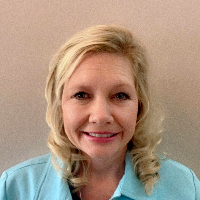
Colorado · 15 yrs exp
Licensed Professional Counselor - stress and relationships
Stress, Anxiety · Relationship · Grief · Self esteem · +14 more
Read profile
Colorado · 15 yrs exp
LPC - Anxiety and Trauma focus
Stress, Anxiety · Trauma and abuse · Bipolar · Depression · +10 more
Read profile
Colorado · 15 yrs exp
LCSW in Colorado - addictions and trauma
Addictions · Relationship · Family · Trauma and abuse · +13 more
Read profile
Colorado · 3 yrs exp
Licensed therapist - stress and addiction focus
Stress, Anxiety · Addictions · Relationship · Family · +7 more
Read profile
Colorado · 33 yrs exp
Licensed Professional Counselor - Mood and life changes
Stress, Anxiety · Grief · Self esteem · Depression · +8 more
Read profile
Colorado · 10 yrs exp
Licensed Professional Counselor - relationships and mood
Stress, Anxiety · Relationship · Intimacy-related issues · Self esteem · +6 more
Read profile
Colorado · 17 yrs exp
LPC and LCPC - anxiety and life changes
Stress, Anxiety · Self esteem · Depression · Coping with life changes · +7 more
Read profile
Colorado · 19 yrs exp
LCSW in Colorado - relationship and trauma support
Relationship · Trauma and abuse · Self esteem · Depression · +13 more
Read profile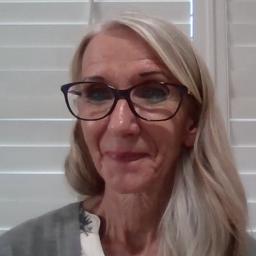
Colorado · 23 yrs exp
LMFT focused on relationships and addictions
Stress, Anxiety · Addictions · Relationship · Trauma and abuse · +9 more
Read profile
Colorado · 24 yrs exp
LPC, LCPC - stress and anxiety focused
Stress, Anxiety · Self esteem · Depression · Coping with life changes · +9 more
Read profile
Colorado · 32 yrs exp
Colorado LPC focused on anxiety and life transitions
Stress, Anxiety · Grief · Self esteem · Depression · +8 more
Read profile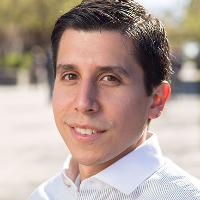
Colorado · 10 yrs exp
LPC focusing on career and anxiety
Stress, Anxiety · Self esteem · Career · Coping with life changes · +7 more
Read profile
Colorado · 30 yrs exp
LMFT - relationships and family issues
Relationship · Family · Grief · Parenting · +6 more
Read profile
Colorado · 9 yrs exp
Licensed counselor - stress and trauma
Stress, Anxiety · Addictions · Trauma and abuse · Self esteem · +16 more
Read profile
Colorado · 24 yrs exp
LPC in Colorado - stress and relationships
Stress, Anxiety · Relationship · Self esteem · Depression · +7 more
Read profile
Colorado · 31 yrs exp
Licensed Professional Counselor - grief and trauma
Stress, Anxiety · Trauma and abuse · Grief · Depression · +9 more
Read profile
Colorado · 20 yrs exp
LPC in Colorado - Stress and addiction support
Stress, Anxiety · Addictions · Anger · Depression · +6 more
Read profile
Colorado · 12 yrs exp
LPC in Colorado - stress and anxiety focus
Stress, Anxiety · Relationship · Self esteem · Depression · +1 more
Read profile
Colorado · 20 yrs exp
Licensed professional counselor - anxiety and addictions
Stress, Anxiety · Addictions · Relationship · Anger · +12 more
Read profile
Colorado · 12 yrs exp
Dr. Robert Balich - LPC in Colorado, stress and addiction work
Stress, Anxiety · Addictions · Trauma and abuse · Grief · +7 more
Read profileOnline therapy has become a widely used option for people throughout Colorado, from urban neighborhoods in Denver to mountain towns and rural plains. You can connect with a clinician over video, phone, or text-based messaging to address emotional concerns, relationship patterns, life transitions, and more. In Colorado, clinicians who offer remote services must still hold a valid state license for the type of mental health care they provide, which means they are subject to the state board that regulates their profession. That regulatory framework is important because it determines scope of practice and where a clinician may lawfully provide services. If you live in Colorado and seek care online, you are typically looking for someone licensed to practice in Colorado or who indicates they are able to serve Colorado residents via telehealth. The landscape includes clinicians with a range of educational backgrounds, professional credentials, and clinical approaches, and many list languages, years of experience, and population focus in their profile so you can get a sense of fit before reaching out.
Online therapy removes many of the logistical barriers that can make in-person care difficult to access in Colorado's varied geography. You may save travel time that would otherwise be spent commuting through traffic or navigating mountain passes. For people balancing work, school, family commitments, or irregular schedules, remote sessions can be easier to fit into a week. Online care also expands the range of clinicians you can consider, which is helpful if you need someone who speaks a particular language, works with a specific population, or lists experience with a particular life stage or challenge. Additionally, remote sessions can provide continuity of care when you are traveling or relocating within the state. When you choose online therapy, you can often select appointment formats and communication styles that match your needs - for example, shorter check-in sessions or longer therapy sessions - while paying attention to session length, platform features, and payment options described in clinicians' profiles.
Clinicians who offer online therapy in Colorado work with a broad range of concerns. Many people seek help for anxiety and stress related to work, family, or chronic life changes. Depression and mood concerns are commonly addressed in remote settings, where clinicians focus on symptom management, behavioral activation, and coping strategies. Relationship issues - including couples work, family dynamics, and communication challenges - are frequently part of online care, with clinicians describing systemic or relational approaches among their methods. People also reach out for support with grief and loss, parenting challenges, identity development, life transitions such as divorce or career change, and chronic health concerns that carry emotional impact. Some clinicians list trauma-informed approaches or note that they work with trauma-related symptoms; when you see references to specific methods, keep in mind that profiles reflect what a clinician lists as their approaches rather than independent verification of specialized training. You will also find clinicians who work with adolescents, adults, older adults, or specific communities, and many include the languages they use for therapy so you can find someone who communicates in your preferred language.
When you are considering an online therapist who serves Colorado residents, verifying the clinician's license is a practical step. State licensing boards provide public records where you can confirm that a license is active and view the type of credential held, such as licensed professional counselor, clinical social worker, psychologist, or marriage and family therapist. These records also indicate whether there are disciplinary actions or restrictions on practice. To check a license, use the Colorado Department of Regulatory Agencies (DORA) or the relevant licensing board's online lookup tool and enter the clinician's name and license number if available. When you review a record, pay attention to the license type and expiration date, and whether the clinician is listed as authorized to practice in Colorado. If a clinician lists additional credentials or professional affiliations, remember that such listings are descriptive and should be understood in the context of the formal state license. If any part of a license record is unclear, you can contact the licensing board for clarification about what the listed information means for practice and scope.
A license record will typically show the license number, issue and expiration dates, the license status, and any public disciplinary history. It will not provide the full picture of a clinician's approach or experience, but it does confirm whether the person holds the legal credential required to offer mental health services in Colorado. Use the license lookup as part of your due diligence alongside reading a clinician's profile and asking direct questions about experience, approaches, and logistics during an introductory conversation.
Getting started begins with clarifying what you want from therapy and what practical considerations matter most to you. Decide whether you prefer video sessions, phone appointments, or a combination of formats. Look through clinician profiles to see who lists experience with the issues you want to address and who notes approaches that resonate with you. When you contact a clinician or their practice, a brief introductory exchange can help you learn about session length, general fee ranges, whether the clinician lists experience with particular populations, and the platforms they use for remote sessions. Be prepared to ask how they structure sessions, what a typical plan of work looks like for your concern, and whether they work with your insurance or offer a sliding fee arrangement if that is important to you. It is also reasonable to ask about language, cultural competence, and experience with specific identity or life-stage concerns so you feel understood and seen in sessions. If you use public or personal insurance, you can ask whether the clinician lists insurance among their payment options and whether they provide the necessary documentation for claims. Remember that initial contact is an opportunity to assess rapport and practical fit rather than to evaluate expertise in depth.
Choosing a clinician is both practical and personal. Start with profiles that align with your needs, then narrow down by looking at credentials, languages, populations served, and the approaches the clinician lists among their methods. Think about logistical matters such as session scheduling, fees, and how comfortable you feel with the technology described. During an initial conversation, pay attention to whether the clinician listens to your concerns and explains how they typically work with issues like yours. If cultural understanding or specific lived-experience perspectives matter to you, ask about those aspects directly and how the clinician incorporates cultural context into sessions. It is also important to consider how you want to communicate between sessions - some clinicians offer messaging tools or brief check-ins, while others prefer a more traditional session-only model; check each profile to see what modes of contact are described. Finally, trust your instincts about rapport - you should feel that the clinician hears you and that the proposed approach makes sense for your goals. Finding a good fit can take time, and many people try a few clinicians before settling into a working relationship, so allow yourself flexibility as you explore the listings.
Online therapy in Colorado offers a flexible way to access care that meets your life circumstances, whether you live in a city, on the plains, or in a mountain community. By verifying licensure, clarifying logistics, and prioritizing fit and communication style, you can select a clinician whose approach and experience align with your goals. Use the profiles on this page as a starting point to learn about clinicians in Colorado, and reach out to the ones who feel like a potential match for your needs and preferences.
Addictions
4413 therapists
ADHD
3248 therapists
Anger
5197 therapists
Chronic Illness
1149 therapists
Control Issues
3313 therapists
Depression
10918 therapists
Grief
6882 therapists
Guilt and Shame
6749 therapists
Isolation / Loneliness
6130 therapists
Midlife Crisis
2192 therapists
Mood Disorders
4001 therapists
Panic Disorder and Panic Attacks
3408 therapists
Post-Traumatic Stress
4819 therapists
Postpartum Depression
1118 therapists
Self Esteem
10248 therapists
Sleeping Disorders
1297 therapists
Social Anxiety and Phobia
5607 therapists
Stress & Anxiety
12794 therapists
Trauma and Abuse
8234 therapists
Abandonment
3014 therapists
Aging and Geriatric Issues
1097 therapists
Attachment Issues
4079 therapists
Blended Family Issues
1674 therapists
Body Image
2117 therapists
Career
4062 therapists
Caregiver Issues and Stress
3233 therapists
Codependency
2118 therapists
Communication Problems
7846 therapists
Compassion Fatigue
3268 therapists
Coping with Life Changes
9006 therapists
Divorce
3660 therapists
Family
6435 therapists
Family of Origin Issues
1704 therapists
Forgiveness
5689 therapists
Hospice and End-of-Life Counseling
871 therapists
Life Purpose
7001 therapists
Money and Financial Issues
1189 therapists
Parenting
4775 therapists
Pregnancy
1140 therapists
Relationship
8896 therapists
Self-Love
7495 therapists
Workplace Issues
3594 therapists