
Audrey Kelly
LMFTOklahoma · 21 yrs exp
LMFT focused on relationships and life transitions
Stress, Anxiety · Relationship · Family · Self esteem · +8 more
Read profileTherapist listings are provided by BetterHelp. We will earn a commission at no additional cost to you if you use our links to purchase.
On this page you will find profiles of therapists who work with aging and geriatric issues, from caregiver stress to life-stage transitions and emotional responses to health changes. Browse the listings below to review each clinician's focus areas, approaches, credentials and languages so you can identify therapists who match your needs.
Oklahoma · 21 yrs exp
LMFT focused on relationships and life transitions
Stress, Anxiety · Relationship · Family · Self esteem · +8 more
Read profile
Florida · 23 yrs exp
LICSW, LCSW focused on LGBT and intimacy issues
LGBT · Intimacy-related issues
Read profile
Florida · 30 yrs exp
LCSW - Anxiety and LGBT support
Stress, Anxiety · LGBT · Self esteem · Coping with life changes · +2 more
Read profile
Illinois · 20 yrs exp
LCPC in Illinois - depression and anxiety
Stress, Anxiety · LGBT · Anger · Self esteem · +12 more
Read profile
Oklahoma · 30 yrs exp
LPC in Oklahoma - Stress and relationship concerns
Stress, Anxiety · Grief · Intimacy-related issues · Depression · +8 more
Read profile
California · 14 yrs exp
LCSW - stress, trauma, and life changes
Stress, Anxiety · Trauma and abuse · Grief · Self esteem · +8 more
Read profile
South Carolina · 36 yrs exp
LISW-CP in South Carolina - adult mood and addiction work
Stress, Anxiety · Addictions · Family · Trauma and abuse · +3 more
Read profile
Pennsylvania · 9 yrs exp
Licensed Professional Counselor - stress and relationships
Stress, Anxiety · Grief · Parenting · Self esteem · +11 more
Read profile
Wisconsin · 11 yrs exp
Licensed Professional Counselor - Stress and Relationships
Stress, Anxiety · Family · Trauma and abuse · Depression · +12 more
Read profile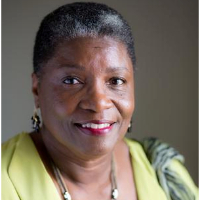
Florida · 12 yrs exp
LMHC and LPC - stress and relationship concerns
Stress, Anxiety · Addictions · Parenting · Depression · +8 more
Read profile
Florida · 16 yrs exp
Florida LMHC - Stress and trauma focus
Stress, Anxiety · Trauma and abuse · Self esteem · Depression · +6 more
Read profile
Texas · 10 yrs exp
Dr. Sydney Crane - LMFT focused on anxiety and grief
Stress, Anxiety · LGBT · Relationship · Grief · +12 more
Read profile
Michigan · 11 yrs exp
LCSW - stress, anxiety, relationships
Stress, Anxiety · Relationship · Trauma and abuse · Grief · +1 more
Read profile
North Carolina · 30 yrs exp
Licensed counselor - stress and trauma
Stress, Anxiety · Addictions · LGBT · Trauma and abuse · +1 more
Read profile
Michigan · 6 yrs exp
LMSW - stress, anxiety, grief support
Stress, Anxiety · Grief · Self esteem · Depression · +3 more
Read profile
Michigan · 10 yrs exp
LMSW in Michigan - anxiety and depression
Stress, Anxiety · Addictions · Relationship · Family · +12 more
Read profile
Connecticut · 24 yrs exp
CT LCSW - Anxiety and Depression
Stress, Anxiety · Addictions · Family · Bipolar · +10 more
Read profile
North Carolina · 27 yrs exp
LCMHC - Stress and relationship concerns
Stress, Anxiety · Self esteem · Coping with life changes · Relationship · +7 more
Read profile
Virginia · 20 yrs exp
VA Psychologist - trauma and stress focus
Read profile
North Carolina · 20 yrs exp
LCMHC in North Carolina - stress and addictions
Stress, Anxiety · Addictions · Anger · Depression · +7 more
Read profile
Idaho · 5 yrs exp
Licensed Professional Counselor - stress and addiction work
Stress, Anxiety · Addictions · Relationship · Depression · +6 more
Read profile
Florida · 16 yrs exp
LCSW - grief and life changes
Grief · Coping with life changes · Stress, Anxiety · Relationship · +12 more
Read profile
Ohio · 22 yrs exp
Dr. Christine Zeh - Ohio LPCC, adult-focused therapy
Stress, Anxiety · Relationship · Parenting · Self esteem · +1 more
Read profile
Texas · 3 yrs exp
LCSW - stress and mood concerns
Stress, Anxiety · Anger · Depression · Addictions · +8 more
Read profile
New Jersey · 26 yrs exp
LMHC and LPC - stress and relationship concerns
Stress, Anxiety · Relationship · Family · Self esteem · +1 more
Read profile
Massachusetts · 15 yrs exp
LICSW clinician - stress and mood concerns
Stress, Anxiety · Relationship · Grief · Depression · +1 more
Read profile
Texas · 30 yrs exp
Licensed counselor - family and parenting
Stress, Anxiety · Family · Parenting · Depression · +1 more
Read profile
Minnesota · 14 yrs exp
Licensed Marriage and Family Therapist - Relationships and Mood
Stress, Anxiety · Relationship · Grief · Parenting · +11 more
Read profile
Illinois · 25 yrs exp
LCSW - Stress and trauma-focused care
Stress, Anxiety · Family · Trauma and abuse · Grief · +1 more
Read profile
Virginia · 30 yrs exp
LCSW - Stress and relationship concerns
Stress, Anxiety · Relationship · Grief · Depression · +16 more
Read profile
Arkansas · 30 yrs exp
LPC counselor - anxiety and addiction focus
Stress, Anxiety · Addictions · Grief · Self esteem · +1 more
Read profile
Florida · 25 yrs exp
LCSW working with stress and trauma
Stress, Anxiety · LGBT · Trauma and abuse · Grief · +2 more
Read profile
Florida · 9 yrs exp
LMHC - Depression and Anxiety focused
Stress, Anxiety · Self esteem · Depression · Coping with life changes · +11 more
Read profile
Texas · 12 yrs exp
Licensed Professional Counselor - stress and grief support
Stress, Anxiety · Grief · Depression · Compassion fatigue · +5 more
Read profile
Michigan · 40 yrs exp
LMFT and LMSW - Stress and Relationships
Stress, Anxiety · Relationship · Family · Grief · +1 more
Read profile
California · 12 yrs exp
LCSW - stress and relationship concerns
Stress, Anxiety · Relationship · Grief · Depression · +13 more
Read profile
Florida · 16 yrs exp
LCSW - Stress and Relationship Concerns
Stress, Anxiety · Relationship · Anger · Depression · +1 more
Read profile
Kentucky · 14 yrs exp
LCSW - Stress and trauma work
Stress, Anxiety · Relationship · Trauma and abuse · Self esteem · +13 more
Read profile
Hawaii · 5 yrs exp
Hawaii LMHC - trauma and mood support
Trauma and abuse · Stress, Anxiety · Relationship · Grief · +12 more
Read profile
United Kingdom · 7 yrs exp
NCPS counsellor - stress and relationships
Stress, Anxiety · LGBT · Relationship · Depression · +11 more
Read profile
United Kingdom · 15 yrs exp
BACP counsellor - stress and relationships
Stress, Anxiety · Relationship · Trauma and abuse · Depression · +1 more
Read profile
United Kingdom · 7 yrs exp
BACP counsellor - grief and trauma
Stress, Anxiety · Trauma and abuse · Grief · Self esteem · +15 more
Read profile
United Kingdom · 9 yrs exp
BACP counsellor - anxiety and life transitions
Stress, Anxiety · Grief · Parenting · Self esteem · +7 more
Read profile
Oregon · 3 yrs exp
LCSW in Oregon - Anxiety and trauma care
Stress, Anxiety · Trauma and abuse · Grief · Bipolar · +9 more
Read profile
Connecticut · 13 yrs exp
LPC in Connecticut - stress and relationship care
Stress, Anxiety · Relationship · Family · Grief · +1 more
Read profile
United Kingdom · 8 yrs exp
BACP counsellor - anxiety and depression
Stress, Anxiety · Self esteem · Depression · LGBT · +4 more
Read profile
United Kingdom · 11 yrs exp
BACP counsellor - stress and relationship concerns
Stress, Anxiety · Grief · Self esteem · Depression · +8 more
Read profile
Missouri · 20 yrs exp
LCSW in Missouri - family and trauma focus
Family · Trauma and abuse · Grief · Coping with life changes · +7 more
Read profile
United Kingdom · 7 yrs exp
NCPS counsellor - anxiety and grief
Stress, Anxiety · Grief · Self esteem · Depression · +12 more
Read profile
United Kingdom · 3 yrs exp
BACP counsellor - stress and relationship issues
Stress, Anxiety · Relationship · Grief · Self esteem · +6 more
Read profile
United Kingdom · 8 yrs exp
Counsellor - Stress and trauma support
Stress, Anxiety · Family · Trauma and abuse · Self esteem · +9 more
Read profile
Idaho · 3 yrs exp
LPC in Idaho - stress and trauma focus
Stress, Anxiety · LGBT · Trauma and abuse · Parenting · +11 more
Read profile
New Jersey · 20 yrs exp
LCSW - relationships and trauma
Relationship · Trauma and abuse · Intimacy-related issues · Self esteem · +6 more
Read profile
Florida · 25 yrs exp
LMHC in Florida - stress and addictions specialist
Stress, Anxiety · Addictions · Relationship · Depression · +1 more
Read profile
Florida · 20 yrs exp
LMHC in Florida - stress and addiction care
Stress, Anxiety · Addictions · Trauma and abuse · Grief · +2 more
Read profile
Florida · 13 yrs exp
LMHC - Stress and relationship concerns
Stress, Anxiety · Relationship · Self esteem · Depression · +1 more
Read profile
United Kingdom · 7 yrs exp
Registered counsellor - stress and relationships
Stress, Anxiety · Relationship · Family · Self esteem · +8 more
Read profile
Arizona · 16 yrs exp
LPC in Arizona - Addictions and Relationships
Addictions · Relationship · Self esteem · Career · +3 more
Read profile
United Kingdom · 6 yrs exp
BACP counsellor - stress and relationships
Stress, Anxiety · Relationship · Trauma and abuse · Self esteem · +11 more
Read profile
Connecticut · 32 yrs exp
Licensed Professional Counselor - Stress and Anxiety
Stress, Anxiety · Relationship · Self esteem · Coping with life changes · +9 more
Read profileAging and geriatric issues cover a broad set of emotional, social and functional concerns that often emerge as people move into later stages of life. These may include adapting to retirement, coping with losses such as the death of a partner or friends, responding to changes in physical health, and managing shifts in family roles. For many people aging brings opportunities for reflection and growth, but it can also trigger grief, anxiety, low mood and practical stressors that affect daily living and relationships.
When you look for a therapist in this specialty, you are seeking someone who understands the interplay between emotional experience and the practical realities of aging. That may mean an emphasis on supporting you through mourning, addressing stress related to caregiving responsibilities, helping with communication around advance planning, or offering strategies to bolster resilience and meaning. Therapists often work with the person experiencing change as well as with family members and caregivers to improve coping and communication across generations.
Common contexts include the transition to assisted living, managing chronic illness, navigating cognitive changes, and adjusting to shifts in independence. You may also encounter therapy related to late-life depression, anxiety that centers on health or safety, and counseling to help with end-of-life planning and emotional preparation. The goal is to address emotional needs alongside practical concerns, helping you or your loved one maintain quality of life and relational connection.
Deciding when to seek support often starts with noticing changes in mood, behavior or functioning that are persistent or worsening. You might observe prolonged sadness, withdrawal from social activities, increased irritability, unexplained anger or a sense of hopelessness. Anxiety that centers on health, falling, or losing independence can become all-consuming and interfere with daily routines. Caregivers frequently experience chronic stress, burnout, sleep disturbance and resentment that accumulate over time and affect their well-being.
Cognitive changes such as memory lapses or confusion do not always require therapy, but when they are accompanied by depression, frustration, or family conflict, therapeutic support can help you navigate next steps. You may also seek therapy when major life transitions occur - moving to a different living arrangement, losing a driving privilege, or making decisions about long-term care. Therapy can provide a structured space to process emotions, develop practical strategies, and strengthen relationships affected by these shifts.
If interpersonal tensions arise between older adults and their children or caregivers, therapy can facilitate communication and set shared goals. You do not need a crisis to reach out; many people use therapy proactively to plan for changes and to develop coping skills that reduce stress and improve daily functioning.
Therapy for aging-related concerns typically begins with an assessment of your emotional needs, life history, current stressors and support network. Your therapist will ask about your goals and what you hope to change or preserve. Early sessions often focus on establishing rapport and identifying immediate concerns - whether that is grief processing, caregiver exhaustion, adjusting to mobility limitations or addressing sleep and mood changes. From there, sessions are shaped around practical interventions, coping strategies and opportunities for reflective work.
You may find sessions include problem-solving for day-to-day challenges, communication coaching for family meetings, and exploration of meaning as you face new life stages. Some therapists incorporate short-term, skills-based work to manage anxiety or depressive symptoms, while others emphasize life review and narrative approaches that help you integrate past experiences into current identity. Therapists may also support advance planning discussions by helping you clarify values and preferences for care and end-of-life decisions.
Sessions can be individual, involve family members or include caregiver-focused meetings depending on your goals. The pace is typically collaborative, with an emphasis on practical takeaways you can use between sessions. If medical or legal matters are relevant, therapists often help you prepare for conversations with providers or family, and may offer referrals to community resources that support aging-related needs.
A range of therapeutic approaches are used to address aging-related concerns. Many therapists draw on cognitive behavioral techniques to help you identify and shift unhelpful thoughts about aging, health and independence. Others offer narrative or life-review work that invites you to reflect on milestones, strengths and unresolved themes from your life story. Mindfulness and acceptance-based approaches can be helpful for managing worry about health and changes you cannot control.
Some clinicians emphasize supportive psychotherapy geared toward emotional validation, coping strategies and problem-solving for practical stresses like caregiving logistics. There are also therapists who list interpersonal therapy among their approaches to address relationship strains that appear with caregiving or role changes. When trauma is part of the history, you may find therapists who list trauma-informed methods among their approaches; these clinicians typically focus on safety and gradual processing rather than making promises about outcomes.
Because older adults and caregivers often navigate many systems - medical, legal and social - therapists who list collaborative approaches may coordinate care informally by helping you prepare for medical appointments or by suggesting community services. When reviewing profiles, look for clinicians who describe experience with the specific concerns you face, such as grief counseling, caregiver support, cognitive transition counseling or end-of-life planning. Remember that listings indicate areas the therapist highlights, not certifications in a given method.
Online therapy offers a flexible way to access counselors who specialize in aging-related topics without geographic limits. You can meet by video or phone from your home or another convenient location, which is particularly helpful if mobility, transportation or medical appointments make in-person visits challenging. Sessions conducted online can mirror in-person work, including assessment, therapy, family sessions and problem-solving, though therapists may adapt pacing and communication to suit hearing, vision and technological comfort.
When you consider online options, think about technology needs and accommodations. Some therapists provide guidance for using video platforms, offer larger-print resources, or adjust session length to reduce fatigue. You may also find clinicians who list telehealth or remote counseling among their approaches and who describe experience working with older adults using adaptive strategies. If you prefer to involve family members, online platforms can make it easier for distant relatives to join sessions when appropriate.
It is helpful to ask about how a therapist manages documentation, emergency planning and coordination with other professionals if that becomes necessary. Ask whether they have experience supporting clients through transitions that require partnerships with medical teams or community services. Online therapy can be an effective complement to local supports, and many people use a combination of in-person and remote services to meet changing needs.
Start by clarifying what you want from therapy - emotional support, caregiver coaching, help with grief, assistance navigating cognitive changes, or guidance for end-of-life conversations. Use those priorities to filter listings by focus areas and descriptions. Pay attention to therapists who list experience working with older adults, caregiver support, geriatric transitions or the specific concern you are facing. These descriptors can help you identify clinicians who write about the populations and issues you care about.
Review the approaches therapists mention. If you prefer practical skill-building, look for clinicians who list cognitive behavioral strategies or problem-solving approaches. If you value reflective work, consider those who list life-review or narrative approaches. Where specific methods are important to you, note phrasing such as therapists who list EMDR among their approaches or therapists who list acceptance and commitment therapy among their approaches. This phrasing acknowledges interest without implying certification.
Consider credentials and language skills if they matter to you, and look for clinicians who describe collaborative work with families or community supports. Prepare questions before reaching out - ask about experience with the issues you face, how they involve family members when needed, and what a typical session focuses on. Think about practical matters like session format, whether they list telehealth among their approaches, and how they handle communication between sessions. Trust your sense of fit - the relational connection is a significant factor in effective therapy, so choose a therapist whose style and description resonate with you.
Finally, give yourself permission to try a few conversations to find the right match. Many people benefit from an initial talk to see if the therapist's approach, tone and focus feel aligned with their needs. You can evaluate how a therapist discusses aging-related challenges, whether they speak respectfully about later life, and how they include family and practical planning in their work. With thoughtful review of profiles and clear questions, you can find a therapist who helps you manage transitions, relieve caregiver stress and support meaningful living in later life.
Alabama
197 therapists
Alaska
21 therapists
Arizona
128 therapists
Arkansas
96 therapists
Australia
305 therapists
California
1286 therapists
Colorado
239 therapists
Connecticut
136 therapists
Delaware
37 therapists
District of Columbia
36 therapists
Florida
1219 therapists
Georgia
346 therapists
Hawaii
45 therapists
Idaho
66 therapists
Illinois
438 therapists
Indiana
196 therapists
Iowa
42 therapists
Kansas
79 therapists
Kentucky
162 therapists
Louisiana
238 therapists
Maine
45 therapists
Maryland
275 therapists
Massachusetts
182 therapists
Michigan
401 therapists
Minnesota
147 therapists
Mississippi
129 therapists
Missouri
219 therapists
Montana
61 therapists
Nebraska
49 therapists
Nevada
64 therapists
New Hampshire
27 therapists
New Jersey
271 therapists
New Mexico
54 therapists
New York
750 therapists
North Carolina
438 therapists
North Dakota
12 therapists
Ohio
290 therapists
Oklahoma
196 therapists
Oregon
72 therapists
Pennsylvania
442 therapists
Rhode Island
25 therapists
South Carolina
218 therapists
South Dakota
22 therapists
Tennessee
203 therapists
Texas
1362 therapists
United Kingdom
1927 therapists
Utah
75 therapists
Vermont
25 therapists
Virginia
264 therapists
Washington
150 therapists
West Virginia
35 therapists
Wisconsin
146 therapists
Wyoming
21 therapists