Sheet 1
- CBT focused
- Client-centered work
- Skills for mood
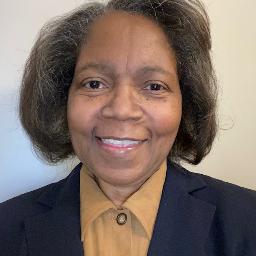
About Audrey
LMSW (licensed master social worker) in Michigan with 10 years of recent practice experience focused on anxiety and depression, Audrey Jackson helps people develop practical coping skills and clearer thinking. She concentrates on stress, relationship and family concerns, addictions, trauma and abuse, grief, sleep problems, parenting, anger, self-esteem, career questions, and mood disorders including bipolar and depression.
Audrey uses client-centered methods and cognitive behavioral ideas to guide sessions. She helps people notice how thoughts influence choices and then practices different ways of thinking. She also draws on dialectical behavior therapy skills, mindfulness techniques, and motivational interviewing to support change.
Her background includes telehealth work, community mental health, residential programs, job training, and care in elderly home settings. She has experience supporting people facing housing and food instability, and connecting with local DHHS resources. Audrey has worked with adults coming from foster care, older adults, and adult men and women in community settings.
In practical terms she offers interventions such as anger management, trauma-sensitive counseling, psychotherapy that looks at earlier family and interpersonal patterns, and assessments for substance use and panic. She also provides strategies for self-harm reduction and social anxiety skills.
Sessions focus on identifying personal goals, building on strengths, and using concrete tools to change thinking and behavior. People who want direct, skills-based work that links daily habits to mood and functioning will find this approach straightforward and action oriented.
Sheet 2
How her approaches translate to online work
Client-centered therapy means the therapist listens for each person’s goals and builds the session around what matters to them. This approach supports work on relationship concerns, family stress, or life purpose by focusing on the client’s priorities.Cognitive behavioral therapy (CBT) looks at the link between thoughts, feelings, and actions. Sessions include identifying unhelpful thinking, trying small behavior changes, and practicing new ways of responding to stress or low mood. This is useful for anxiety, depression, insomnia, and anger management.
Dialectical behavior therapy (DBT) skills provide concrete tools for emotion regulation, distress tolerance, and interpersonal effectiveness. These techniques help with impulsivity, intense emotions, and relationship conflict.
Finding the right mix of approaches is part of the work. The therapist collaborates with each person to choose methods that match their goals and preferences. Treatment plans may change as skills are learned and priorities shift.
Confirm current session formats before booking, since formats are not specified here. Online sessions can make it easier to fit therapy into a busy life by cutting travel time and allowing shorter check-ins or flexible scheduling. Ask about the specific session options offered when you schedule to match timing and session length to your routine.
Sheet 3
Areas of expertise
Primary focus
Also works with
Additional focus areas
Therapeutic approaches
Experience
10+ years
Listed in
Michigan
Languages
English
Sheet 4
Frequently asked questions
What concerns does she address?
She addresses stress, anxiety, depression, addictions, trauma and abuse, grief, sleep issues, parenting, anger, self-esteem, bipolar disorder, and related mood concerns.
What therapeutic approaches does she use in sessions?
Her work uses client-centered methods, cognitive behavioral approaches, dialectical behavior therapy skills, mindfulness, and motivational interviewing. Sessions combine discussion with practical skill practice.
How long has she worked in mental health?
She has ten years of recent practice experience. Her wider social work career began earlier and includes roles in community and residential settings.
What are her credentials and where does she practice?
She holds an LMSW, licensed master social worker, in Michigan. Her listed location is Michigan.
Which languages are available for sessions?
Sessions are offered in English.
Can people from other countries work with her?
She is not accepting international clients at this time.
How are sessions priced?
Cost varies by location and sessions use a subscription that can be canceled at any time.
What are the first steps to begin?
Use the See online therapy options button, complete the short matching questionnaire, and schedule an initial session to get started.
Online talk therapy is not emergency care. If you are in danger, use the urgent help numbers.