
Dr. Steven Hurley
IL Psychologist 071007009Illinois · 19 yrs exp
IL Psychologist - Anxiety and Trauma
Stress, Anxiety · LGBT · Relationship · Trauma and abuse · +9 more
Read profileTherapist listings are provided by BetterHelp. We will earn a commission at no additional cost to you if you use our links to purchase.
This page presents therapists who list guilt and shame among their specialty areas. Browse the profiles below to compare focus areas, therapeutic approaches, credentials, languages and experience as you search for a good match.
Illinois · 19 yrs exp
IL Psychologist - Anxiety and Trauma
Stress, Anxiety · LGBT · Relationship · Trauma and abuse · +9 more
Read profile
Florida · 23 yrs exp
LICSW, LCSW focused on LGBT and intimacy issues
LGBT · Intimacy-related issues
Read profile
Minnesota · 14 yrs exp
LMFT - relationships and family concerns
Stress, Anxiety · Relationship · Family · Trauma and abuse · +8 more
Read profile
District of Columbia · 20 yrs exp
LPC focused on trauma and mood concerns
Trauma and abuse · Self esteem · Bipolar · Depression · +1 more
Read profile
New Jersey · 5 yrs exp
LPC - Anxiety and Relationship support
Stress, Anxiety · Relationship · Family · Anger · +12 more
Read profile
Kentucky · 28 yrs exp
LMHC and LPP - relationships and life changes
Stress, Anxiety · Relationship · Family · Grief · +5 more
Read profile
Alaska · 26 yrs exp
LCSW - Stress and Anxiety focus
Stress, Anxiety
Read profile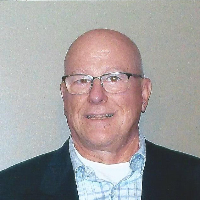
Illinois · 20 yrs exp
LCPC in Illinois - depression and anxiety
Stress, Anxiety · LGBT · Anger · Self esteem · +12 more
Read profile
Oregon · 32 yrs exp
Licensed Marriage and Family Therapist - Relationships and Trauma
Stress, Anxiety · Relationship · Trauma and abuse · Grief · +9 more
Read profile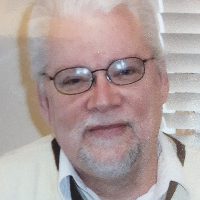
Michigan · 45 yrs exp
Licensed Professional Counselor - Addiction and Trauma
Stress, Anxiety · Addictions · Trauma and abuse · Grief · +10 more
Read profile
Oklahoma · 30 yrs exp
LPC in Oklahoma - Stress and relationship concerns
Stress, Anxiety · Grief · Intimacy-related issues · Depression · +8 more
Read profile
North Carolina · 13 yrs exp
LCSW - anxiety and relationship support
Stress, Anxiety · Relationship · Family · Self esteem · +13 more
Read profile
Washington · 12 yrs exp
Licensed Marriage and Family Therapist - Family and relationship concerns
Stress, Anxiety · Family · Anger · Self esteem · +6 more
Read profile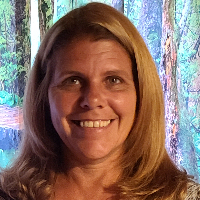
South Carolina · 10 yrs exp
LISW-CP focusing on trauma and relationships
Stress, Anxiety · Relationship · Family · Trauma and abuse · +1 more
Read profile
North Carolina · 20 yrs exp
LPC - anxiety and relationship concerns
Stress, Anxiety · Relationship · Family · Self esteem · +9 more
Read profile
Illinois · 28 yrs exp
LCPC in Illinois - stress and relationship work
Stress, Anxiety · Relationship · Grief · Self esteem · +8 more
Read profile
Indiana · 11 yrs exp
LCSW in Indiana - stress and trauma care
Stress, Anxiety · Grief · Depression · Coping with life changes · +8 more
Read profile
Kentucky · 11 yrs exp
Licensed Marriage and Family Therapist - Relationship work
Stress, Anxiety · Relationship · Family · Self esteem · +9 more
Read profile
Pennsylvania · 9 yrs exp
Licensed Professional Counselor - stress and relationships
Stress, Anxiety · Grief · Parenting · Self esteem · +11 more
Read profile
Florida · 22 yrs exp
LCSW helping adults with stress and mood concerns
Stress, Anxiety · Self esteem · Depression · Coping with life changes · +5 more
Read profile
Wisconsin · 11 yrs exp
Licensed Professional Counselor - Stress and Relationships
Stress, Anxiety · Family · Trauma and abuse · Depression · +12 more
Read profile
Florida · 10 yrs exp
LMHC - Stress and parenting support
Stress, Anxiety · Family · Parenting · Self esteem · +10 more
Read profile
Virginia · 14 yrs exp
Licensed Professional Counselor - Trauma and Adolescents
Trauma and abuse · Grief · Coping with life changes · Compassion fatigue · +12 more
Read profile
Texas · 18 yrs exp
Licensed Professional Counselor - Stress and Relationships
Stress, Anxiety · Relationship · Family · Parenting · +9 more
Read profile
Wisconsin · 11 yrs exp
Licensed counselor - stress and relationships
Stress, Anxiety · Relationship · Family · Self esteem · +6 more
Read profile
New York · 24 yrs exp
Dr. Emmanuel Bioh - LCSW, stress and addictions
Stress, Anxiety · Addictions · Family · Parenting · +9 more
Read profile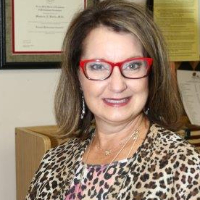
Texas · 4 yrs exp
LPC in Texas - Stress and relationship concerns
Stress, Anxiety · Addictions · Relationship · Family · +3 more
Read profile
North Carolina · 25 yrs exp
LCMHC - Stress and trauma work
Stress, Anxiety · Addictions · Family · Trauma and abuse · +11 more
Read profile
Georgia · 12 yrs exp
LPC in Georgia - stress and trauma focus
Stress, Anxiety · Addictions · Trauma and abuse · Anger · +1 more
Read profile
South Carolina · 13 yrs exp
LISW-CP therapist - family and stress support
Stress, Anxiety · Family · Parenting · Self esteem · +10 more
Read profile
Michigan · 16 yrs exp
Licensed Professional Counselor - stress and addiction support
Stress, Anxiety · Addictions · Relationship · Parenting · +8 more
Read profile
Florida · 16 yrs exp
Florida LMHC - Stress and trauma focus
Stress, Anxiety · Trauma and abuse · Self esteem · Depression · +6 more
Read profile
North Carolina · 30 yrs exp
LCSW - stress, trauma, parenting
Stress, Anxiety · Family · Trauma and abuse · Parenting · +7 more
Read profile
Texas · 10 yrs exp
Dr. Sydney Crane - LMFT focused on anxiety and grief
Stress, Anxiety · LGBT · Relationship · Grief · +12 more
Read profile
North Carolina · 16 yrs exp
Licensed clinical social worker - stress and addiction care
Stress, Anxiety · Addictions · Trauma and abuse · Anger · +13 more
Read profile
Louisiana · 20 yrs exp
Licensed Counselor - Addictions and Trauma
Addictions · Trauma and abuse · Anger · Bipolar · +1 more
Read profile
Louisiana · 15 yrs exp
Licensed Professional Counselor - stress and trauma
Stress, Anxiety · Trauma and abuse · Grief · Self esteem · +1 more
Read profile
Texas · 3 yrs exp
LPC - Stress and anxiety focus
Stress, Anxiety · Addictions · Relationship · Family · +5 more
Read profile
Nevada · 12 yrs exp
LCSW - Stress and relationship concerns
Stress, Anxiety · Relationship · Anger · Self esteem · +1 more
Read profile
Florida · 11 yrs exp
FL LMHC - Stress and Relationship Concerns
Stress, Anxiety · Relationship · Parenting · Self esteem · +11 more
Read profile
North Carolina · 30 yrs exp
Licensed counselor - stress and trauma
Stress, Anxiety · Addictions · LGBT · Trauma and abuse · +1 more
Read profile
New Jersey · 10 yrs exp
Licensed counselor - relationships and anxiety
Stress, Anxiety · Relationship · Family · Parenting · +4 more
Read profile
Illinois · 10 yrs exp
Licensed Clinical Social Worker - Stress and Trauma
Stress, Anxiety · Trauma and abuse · Grief · Self esteem · +11 more
Read profile
North Carolina · 20 yrs exp
LCMHC LPC - Stress and Addictions
Stress, Anxiety · Addictions · LGBT · Relationship · +1 more
Read profile
Alabama · 17 yrs exp
Licensed Professional Counselor - Stress and Anxiety
Stress, Anxiety · Addictions · Grief · Anger · +1 more
Read profile
Florida · 25 yrs exp
Florida LMHC - Stress and Relationships
Stress, Anxiety · Relationship · Trauma and abuse · Self esteem · +2 more
Read profile
Nevada · 25 yrs exp
LMFT focused on relationships and family concerns
Stress, Anxiety · Relationship · Family · Trauma and abuse · +1 more
Read profile
Michigan · 10 yrs exp
LMSW in Michigan - anxiety and depression
Stress, Anxiety · Addictions · Relationship · Family · +12 more
Read profile
Virginia · 10 yrs exp
LICSW, LCSW - relationships and trauma
Relationship · Trauma and abuse · Self esteem · Depression · +5 more
Read profile
Florida · 8 yrs exp
Florida LMHC - stress and trauma focus
Stress, Anxiety · Trauma and abuse · Parenting · Self esteem · +11 more
Read profile
Illinois · 30 yrs exp
IL LCPC - Family and trauma
Family · Trauma and abuse · Grief · Depression · +7 more
Read profile
North Carolina · 27 yrs exp
LCMHC - Stress and relationship concerns
Stress, Anxiety · Self esteem · Coping with life changes · Relationship · +7 more
Read profile
Virginia · 20 yrs exp
VA Psychologist - trauma and stress focus
Read profile
Missouri · 22 yrs exp
LPC in Missouri - mood and anxiety support
Stress, Anxiety · Addictions · Self esteem · Bipolar · +1 more
Read profile
Pennsylvania · 17 yrs exp
LCSW in Pennsylvania - stress and anxiety
Stress, Anxiety · Trauma and abuse · Self esteem · Depression · +1 more
Read profile
North Carolina · 10 yrs exp
LCSW - stress, trauma, and life changes
Stress, Anxiety · Trauma and abuse · Self esteem · Depression · +1 more
Read profile
New Jersey · 25 yrs exp
Licensed Professional Counselor - Stress and Trauma
Stress, Anxiety · Trauma and abuse · Grief · Career · +9 more
Read profile
North Carolina · 20 yrs exp
LCMHC in North Carolina - stress and addictions
Stress, Anxiety · Addictions · Anger · Depression · +7 more
Read profile
Vermont · 34 yrs exp
LICSW - Stress and trauma support
Stress, Anxiety · Trauma and abuse · Self esteem · Depression · +1 more
Read profile
New York · 10 yrs exp
LMHC in New York - stress and family concerns
Stress, Anxiety · Family · Intimacy-related issues · Parenting · +1 more
Read profileGuilt and shame are emotions that often feel similar but operate in different ways. Guilt usually arises when you believe you have done something wrong or have harmed someone else, prompting a desire to make amends. Shame reflects a more global sense that there is something fundamentally wrong with you as a person, and it can leave you feeling exposed, defective or unworthy. Both emotions can be adaptive in small doses - nudging you toward reparative actions or moral growth - but when they become chronic they can interfere with relationships, work, and your sense of self.
When guilt and shame persist they can shape the stories you tell about yourself, influence how you interpret setbacks, and alter the way you relate to others. You might withdraw from social situations to avoid judgement, replay past events in your mind, or attempt to control your environment in ways that feel exhausting. Over time these patterns can erode self-esteem and contribute to anxiety, depression or difficulties with intimacy. Understanding the difference between guilt and shame is a first step toward changing the patterns that keep those feelings active in your life.
You may find therapy helpful if guilt or shame dominates your inner dialogue or prevents you from living the life you want. Common signs include persistent self-blame, an inability to forgive yourself, or chronic rumination about past choices. If you notice that you avoid relationships, hide aspects of your identity, or consistently minimize your needs to reduce others' disapproval, these may be signals that guilt or shame are shaping your behavior in ways that limit you.
Other indicators include physical symptoms like sleep disruption, stomach problems, or tension that seem tied to regrets or social fears. You might also see repeated patterns - choosing partners who trigger shame, taking on excessive responsibility for others, or oscillating between over-apologizing and emotional numbness. Therapy can offer you a space to explore these patterns, learn new ways of relating to yourself and others, and develop practical strategies for managing intense emotions when they arise.
In early sessions you and your therapist will typically map out how guilt and shame show up in your life and identify the situations that most strongly activate those feelings. Expect an initial phase of listening and assessment where your history, current stressors, and relationship patterns are discussed. Your therapist will learn about your values and the meanings you attach to past events so that together you can set goals tailored to your priorities, whether that is reducing self-critical thoughts, improving relationships, or learning to accept mistakes without self-condemnation.
Over time sessions often involve a combination of emotional processing and practical skill-building. You may explore the stories you tell about yourself, examine the origins of shame, and practice self-directed exercises that change the way you respond to triggers. Therapists typically work at a pace that fits your comfort level, balancing validation of painful feelings with gently challenging beliefs that keep you stuck. Progress is usually incremental - you might notice shifts in how you talk to yourself, increased willingness to repair relationships, or a greater capacity to tolerate discomfort without retreating into avoidance.
Different therapists emphasize different methods, and many combine elements from several approaches to fit your needs. Cognitive-behavioral approaches help you identify and reframe self-critical thoughts that fuel guilt and shame, and they teach skills for reducing unhelpful rumination. Experiential and emotion-focused therapies create opportunities to fully experience and name feelings, which can lessen their intensity and reveal underlying fears or needs. Psychodynamic work explores how early relationships and internalized messages shaped your sense of self, helping you to rewrite long-standing narratives about worthiness.
Some therapists list approaches such as acceptance-based methods, mindfulness practices, or compassion-focused techniques among their tools for addressing shame. These approaches cultivate a kinder internal stance and teach ways to observe painful feelings without being overwhelmed by them. Other clinicians incorporate narrative practices that separate you from the problem, helping you to see guilt or shame as experiences rather than defining traits. If you are curious about specific modalities you may notice therapists who list EMDR among their approaches, or those who mention somatic work or interpersonal therapy as part of their practice - descriptions like these indicate what therapists emphasize, not an endorsement of credentials.
Online therapy can be an effective option for many people seeking help with guilt and shame because it removes geographic barriers and can make it easier to fit sessions into a busy schedule. Sessions usually take place via video or phone, and some therapists offer messaging or asynchronous tools to help you process between meetings. You can expect a similar therapeutic structure to in-person work - assessment, goal setting, emotional processing and skills practice - adapted to the virtual format.
When you choose online therapy, consider how comfortable you are talking about sensitive feelings through a screen. Some people find it easier to open up from their own home while others prefer a neutral office. It helps to create a quiet, uninterrupted place for sessions where you can speak freely and reflect after the meeting. Communication patterns may differ slightly in virtual work; therapists who specialize in online sessions often provide guidance on how to use the technology, manage emotional intensity remotely, and integrate assignments into your daily life.
Start by looking at how therapists describe their focus areas and approaches, and prioritize those who explicitly mention guilt, shame, self-blame or related concerns. Pay attention to credentials and experience that feel relevant to you, such as work with trauma, relationships, or mood disorders, but keep in mind that the listing of an approach indicates what a therapist uses rather than proof of a specific certification. Language and cultural fit matter too - therapists who share your language or demonstrate cultural understanding may better grasp how societal expectations influence shame.
Think about the therapeutic stance that appeals to you. If you want practical tools to manage negative thoughts, therapists who emphasize cognitive or skills-based methods may be a match. If you are seeking deeper exploration of identity or family influences, clinicians who describe psychodynamic or relational approaches might fit your aims. Finally, trust your sense of rapport. The relationship you build with your therapist is central to change, so consider how a therapist's tone, emphasis and communication style match your needs. Use the profiles on this page to compare approaches, focus areas, credentials and languages as you decide who to contact and begin the process of healing from shame and guilt.
Alabama
197 therapists
Alaska
21 therapists
Arizona
128 therapists
Arkansas
96 therapists
Australia
305 therapists
California
1286 therapists
Colorado
239 therapists
Connecticut
136 therapists
Delaware
37 therapists
District of Columbia
36 therapists
Florida
1219 therapists
Georgia
346 therapists
Hawaii
45 therapists
Idaho
66 therapists
Illinois
438 therapists
Indiana
196 therapists
Iowa
42 therapists
Kansas
79 therapists
Kentucky
162 therapists
Louisiana
238 therapists
Maine
45 therapists
Maryland
275 therapists
Massachusetts
182 therapists
Michigan
401 therapists
Minnesota
147 therapists
Mississippi
129 therapists
Missouri
219 therapists
Montana
61 therapists
Nebraska
49 therapists
Nevada
64 therapists
New Hampshire
27 therapists
New Jersey
271 therapists
New Mexico
54 therapists
New York
750 therapists
North Carolina
438 therapists
North Dakota
12 therapists
Ohio
290 therapists
Oklahoma
196 therapists
Oregon
72 therapists
Pennsylvania
442 therapists
Rhode Island
25 therapists
South Carolina
218 therapists
South Dakota
22 therapists
Tennessee
203 therapists
Texas
1362 therapists
United Kingdom
1927 therapists
Utah
75 therapists
Vermont
25 therapists
Virginia
264 therapists
Washington
150 therapists
West Virginia
35 therapists
Wisconsin
146 therapists
Wyoming
21 therapists