
Dr. Steven Hurley
IL Psychologist 071007009Illinois · 19 yrs exp
IL Psychologist - Anxiety and Trauma
Stress, Anxiety · LGBT · Relationship · Trauma and abuse · +9 more
Read profileTherapist listings are provided by BetterHelp. We will earn a commission at no additional cost to you if you use our links to purchase.
Welcome to our Illinois directory of licensed online therapists. Every clinician listed holds a professional Illinois license; explore profiles to compare approaches, focus areas, credentials and languages.
Illinois · 19 yrs exp
IL Psychologist - Anxiety and Trauma
Stress, Anxiety · LGBT · Relationship · Trauma and abuse · +9 more
Read profile
Illinois · 20 yrs exp
Licensed Clinical Social Worker - Stress and Relationships
Stress, Anxiety · Relationship · Parenting · Self esteem · +7 more
Read profile
Illinois · 25 yrs exp
LCSW - mood, anxiety, and relationship concerns
Stress, Anxiety · Relationship · Grief · Depression · +10 more
Read profile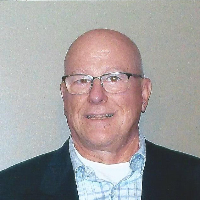
Illinois · 20 yrs exp
LCPC in Illinois - depression and anxiety
Stress, Anxiety · LGBT · Anger · Self esteem · +12 more
Read profile
Illinois · 28 yrs exp
LCPC in Illinois - stress and relationship work
Stress, Anxiety · Relationship · Grief · Self esteem · +8 more
Read profile
Illinois · 11 yrs exp
Licensed counselor - anxiety and trauma
Stress, Anxiety · Relationship · Family · Trauma and abuse · +1 more
Read profile
Illinois · 10 yrs exp
Licensed Clinical Social Worker - Stress and Trauma
Stress, Anxiety · Trauma and abuse · Grief · Self esteem · +11 more
Read profile
Illinois · 30 yrs exp
IL LCPC - Family and trauma
Family · Trauma and abuse · Grief · Depression · +7 more
Read profile
Illinois · 25 yrs exp
LCSW - Stress and trauma-focused care
Stress, Anxiety · Family · Trauma and abuse · Grief · +1 more
Read profile
Illinois · 15 yrs exp
LCPC LPC focused on stress and relationships
Stress, Anxiety · Relationship · Family · Trauma and abuse · +1 more
Read profile
Illinois · 20 yrs exp
LCPC - stress, mood, relationship work
Stress, Anxiety · Relationship · Parenting · Bipolar · +1 more
Read profile
Illinois · 25 yrs exp
LCSW focusing on anxiety and life changes
Stress, Anxiety · Parenting · Self esteem · Depression · +1 more
Read profile
Illinois · 37 yrs exp
LCSW - Stress and anxiety focus
Stress, Anxiety · Family · Anger · Self esteem · +11 more
Read profile
Illinois · 11 yrs exp
LCSW - Stress and neurodiversity support
Stress, Anxiety · LGBT · Self esteem · Career · +7 more
Read profile
Illinois · 19 yrs exp
Illinois LCPC - stress and anxiety
Stress, Anxiety · Grief · Anger · Self esteem · +1 more
Read profile
Illinois · 25 yrs exp
Licensed Clinical Professional Counselor - Stress and Relationships
Stress, Anxiety · Relationship · Family · Trauma and abuse · +14 more
Read profile
Illinois · 25 yrs exp
LCPC focused on anxiety and life changes
Stress, Anxiety · Addictions · Self esteem · Depression · +9 more
Read profile
Illinois · 9 yrs exp
LCPC in Illinois - stress and relationship care
Stress, Anxiety · Relationship · Trauma and abuse · Intimacy-related issues · +7 more
Read profile
Illinois · 3 yrs exp
LCPC in Illinois - relationships and addiction
Stress, Anxiety · Relationship · Family · Anger · +8 more
Read profile
Illinois · 16 yrs exp
LCPC in Illinois - Stress and Trauma
Stress, Anxiety · Addictions · Trauma and abuse · Bipolar · +6 more
Read profile
Illinois · 25 yrs exp
LCSW - Anxiety and Addictions
Stress, Anxiety · Addictions · Career · Relationship · +10 more
Read profile
Illinois · 25 yrs exp
Illinois LCSW - anxiety and family concerns
Stress, Anxiety · Relationship · Family · Trauma and abuse · +6 more
Read profile
Illinois · 12 yrs exp
LCPC in Illinois - relationships and trauma
Relationship · Trauma and abuse · Intimacy-related issues · Self esteem · +3 more
Read profile
Illinois · 3 yrs exp
LCSW - Stress and mood concerns
Stress, Anxiety · Relationship · Family · Self esteem · +8 more
Read profile
Illinois · 3 yrs exp
LCPC in Illinois - Stress and Anxiety
Stress, Anxiety · Parenting · Self esteem · Career · +3 more
Read profile
Illinois · 7 yrs exp
LCPC in Illinois - anxiety and life changes
Stress, Anxiety · Self esteem · Depression · Coping with life changes · +15 more
Read profile
Illinois · 23 yrs exp
LCP in Illinois - stress and addictions
Stress, Anxiety · Addictions · Relationship · Self esteem · +1 more
Read profile
Illinois · 25 yrs exp
Illinois LCSW - stress and trauma support
Stress, Anxiety · Relationship · Trauma and abuse · Grief · +13 more
Read profile
Illinois · 28 yrs exp
LCPC - Stress and Anxiety help
Stress, Anxiety · Anger · Self esteem · Depression · +5 more
Read profile
Illinois · 9 yrs exp
LCPC in Illinois - Stress and Trauma focus
Stress, Anxiety · Relationship · Trauma and abuse · Self esteem · +6 more
Read profile
Illinois · 38 yrs exp
LCSW - Stress and Addictions
Stress, Anxiety · Addictions · Family · Bipolar · +10 more
Read profile
Illinois · 10 yrs exp
LCSW - grief and coaching focus
Grief · Self esteem · Coaching · Compassion fatigue · +6 more
Read profile
Illinois · 5 yrs exp
Licensed Clinical Social Worker - stress and trauma
Stress, Anxiety · Relationship · Family · Trauma and abuse · +1 more
Read profile
Illinois · 35 yrs exp
LCPC in Illinois - Relationships and Mood
Stress, Anxiety · Relationship · Intimacy-related issues · Depression · +5 more
Read profile
Illinois · 18 yrs exp
LCPC - anxiety and addiction specialist
Stress, Anxiety · Addictions · Depression · Relationship · +4 more
Read profile
Illinois · 40 yrs exp
LCSW - Mood and relationship support
Relationship · Grief · Bipolar · Depression · +1 more
Read profile
Illinois · 4 yrs exp
LCPC in Illinois - Stress and relationships
Stress, Anxiety · Relationship · Self esteem · Coping with life changes · +7 more
Read profile
Illinois · 6 yrs exp
LCSW - stress and trauma support
Stress, Anxiety · Grief · Anger · Career · +5 more
Read profile
Illinois · 10 yrs exp
LCPC - Stress and Anxiety focus
Stress, Anxiety · Family · Parenting · Self esteem · +1 more
Read profile
Illinois · 8 yrs exp
LCPC - Anxiety and mood concerns
Stress, Anxiety · Trauma and abuse · Self esteem · Depression · +5 more
Read profile
Illinois · 7 yrs exp
LMFT focusing on relationships and life changes
Relationship · Family · Trauma and abuse · Parenting · +1 more
Read profile
Illinois · 17 yrs exp
LCSW - Stress and anxiety care
Stress, Anxiety · LGBT · Self esteem · Career · +1 more
Read profile
Illinois · 10 yrs exp
LCSW - stress and trauma focus
Stress, Anxiety · Trauma and abuse · Parenting · Depression · +1 more
Read profile
Illinois · 22 yrs exp
LCSW - Stress and relationship concerns
Stress, Anxiety · Relationship · Grief · Depression · +1 more
Read profile
Illinois · 31 yrs exp
LICSW, LCSW - Stress and relationship concerns
Stress, Anxiety · Relationship · Grief · Intimacy-related issues · +1 more
Read profile
Illinois · 4 yrs exp
LCSW - Stress and mood concerns
Stress, Anxiety · Grief · Anger · Depression · +1 more
Read profile
Illinois · 10 yrs exp
LCSW - Addictions and trauma focus
Addictions · LGBT · Relationship · Trauma and abuse · +1 more
Read profile
Illinois · 10 yrs exp
Illinois LCSW - Stress and Grief
Stress, Anxiety · Grief · Self esteem · Depression · +1 more
Read profile
Illinois · 25 yrs exp
LCSW and LMSW - stress and relationships
Stress, Anxiety · Relationship · Grief · Self esteem · +1 more
Read profile
Illinois · 16 yrs exp
Illinois LCPC focused on anxiety and trauma
Stress, Anxiety · LGBT · Relationship · Trauma and abuse · +1 more
Read profile
Illinois · 3 yrs exp
Licensed Professional Counselor - stress and anxiety
Stress, Anxiety · Relationship · Anger · Self esteem · +1 more
Read profile
Illinois · 12 yrs exp
LCSW - addictions and relationship support
Addictions · Relationship · Family · Self esteem · +1 more
Read profile
Illinois · 5 yrs exp
LCSW - stress and trauma support
Stress, Anxiety · Trauma and abuse · Grief · Anger · +1 more
Read profile
Illinois · 6 yrs exp
LCSW - stress and mood support
Stress, Anxiety · Self esteem · Depression · Coping with life changes · +1 more
Read profile
Illinois · 25 yrs exp
LCPC in Illinois - stress and coaching
Stress, Anxiety · Family · Self esteem · Coaching · +1 more
Read profile
Illinois · 10 yrs exp
LCSW - anxiety and trauma
Stress, Anxiety · Trauma and abuse · Grief · Self esteem · +1 more
Read profile
Illinois · 12 yrs exp
Licensed clinical professional counselor - stress and addictions
Stress, Anxiety · Addictions · Trauma and abuse · Eating · +1 more
Read profile
Illinois · 13 yrs exp
LCPC - Stress and career concerns
Stress, Anxiety · Self esteem · Career · Coping with life changes · +1 more
Read profile
Illinois · 5 yrs exp
Illinois LCPC - Stress and Addictions
Stress, Anxiety · Addictions · LGBT · Anger · +1 more
Read profile
Illinois · 20 yrs exp
LCPC in Illinois - relationship and life changes
Relationship · Family · Trauma and abuse · Parenting · +1 more
Read profileIf you are considering therapy by video or phone while located in Illinois, you will find a wide range of clinicians offering telehealth services. Laws and professional rules generally mean that clinicians providing clinical services to someone physically located in Illinois should hold an Illinois license. That requirement helps you know you are working with someone who has met state practice standards and is governed by Illinois professional oversight. Many clinicians list telehealth among their service formats, so you can search profiles for those who describe offering sessions remotely. Technology has expanded options, allowing you to connect with clinicians who focus on specific issues, speak particular languages, or list certain therapy approaches among their methods without needing to travel across the state to meet in person.
Telehealth sessions are typically conducted with real-time video or telephone connections. You can expect to use a computer, tablet or smartphone with a camera and microphone for video sessions, and clinicians will usually outline the platform and technical steps in their profile or intake materials. While in-person and remote sessions share many elements - such as a focus on treatment goals and therapeutic rapport - remote sessions require a bit more attention to logistics like internet reliability and choosing a comfortable environment where you can speak without interruption.
Online therapy can make it easier to access clinicians who focus on your concerns, speak your language, or use approaches that suit your preferences. If you live in a rural area or have limited time because of work or caregiving responsibilities, remote sessions can reduce travel and scheduling burdens. You may also find clinicians who list specialized approaches or populations among their focus areas, which can help you connect with someone whose experience aligns with what you are seeking. For many people, being able to attend sessions from a familiar setting reduces stress about logistics and allows the work to fit more naturally into daily life.
Beyond convenience, online therapy can make it easier to maintain continuity if you move within Illinois or have temporary disruptions in routine. It also broadens access to clinicians who offer sessions in languages other than English or who list experience with specific cultural perspectives. While technology is an advantage, it also means checking your internet speed, device compatibility and having a plan for technical interruptions. Thinking through those practicalities before your first session will make the experience smoother.
Clinicians offering online services in Illinois work with a broad range of concerns. You can find therapists who list anxiety, depression, relationship difficulties, grief and life transitions among their focus areas. Many also describe working with stress related to work or school, parenting challenges, identity and cultural concerns, chronic health-related adjustment, and trauma-related symptoms. Some clinicians note specific populations they work with, such as adolescents, young adults, parents, or older adults, and you can use those notes to narrow your search to profiles that resonate with your situation.
Approaches vary, and profiles often include terms like Cognitive Behavioral Therapy, psychodynamic approaches, mindfulness-based methods, EMDR or other modalities. To stay accurate about what a clinician offers, look for language such as "therapists who list Cognitive Behavioral Therapy among their approaches" rather than assuming particular qualifications. That phrasing reflects that practitioners describe their methods on profiles, and it helps you find clinicians whose stated approaches align with your preferences while recognizing that profiles are a starting point for conversation.
When you identify a clinician you are interested in, verifying their Illinois license is a practical step. The Illinois Department of Financial and Professional Regulation maintains a license lookup that allows you to search by name or license number to confirm licensure status. Use that tool to check the license type, issuance and expiration dates, and whether any disciplinary actions are recorded. For most therapy professions, the regulatory profile will list the license category, such as a clinical social worker, professional counselor, psychologist or marriage and family therapist, along with a license number you can match to the clinician's profile.
When reviewing a licensure record, confirm that the clinician's name and license number match the profile you are viewing. Note the license status and expiration date. If disciplinary information appears, it will be listed in the regulator's record. If you have questions about the meaning of any entry, you can contact the regulatory agency for clarification. Verifying licensure is a reliable way to confirm that a clinician is authorized to practice in Illinois and subject to Illinois professional standards and oversight.
Starting with online therapy begins by clarifying what you want from the work. Think about the main concern you want to address, whether you prefer a particular therapeutic approach, and whether language or cultural background matters to you. Use those priorities to filter profiles by focus areas, approaches, credentials and languages. Reading bios can give you a sense of a clinician's orientation and the populations they mention. After you identify several clinicians who seem like a potential fit, reach out through the contact options provided to ask practical questions and to learn more about their approach.
When you contact a clinician, consider asking about how they typically work with someone who has concerns like yours, the typical session length and fee structure, which insurance plans they bill or whether they offer out-of-network payment options, and how they handle emergency situations. You may also want to ask how they manage electronic records and how they explain their policies about cancellations and rescheduling. Asking these questions up front helps you gauge how well the clinician's approach and logistics fit your needs before committing to sessions.
Choosing a therapist is a personal process. Look for a clinician whose language and stated focus resonate with you, and pay attention to cultural competence and lived experience when those factors matter to you. You do not need to make a final decision on a single message or call; many people evaluate the fit after a few sessions, noticing whether they feel heard and whether the clinician's methods align with their goals. It is also reasonable to consider practical fit - such as whether the clinician offers session times that work for your schedule and accepts your payment method or insurance. Taking a thoughtful, informed approach will help you find someone who can support the changes you want to make.
Online therapy in Illinois can be an effective way to access professional help that aligns with your life and needs. By verifying licensure, clarifying your priorities, and asking practical questions about approach and logistics, you can make choices that increase the likelihood of a productive therapeutic relationship. Explore the profiles in this directory to find clinicians who list the approaches, focus areas and languages that match what you are looking for, and reach out to begin a conversation about next steps.
Addictions
4413 therapists
ADHD
3248 therapists
Anger
5197 therapists
Chronic Illness
1149 therapists
Control Issues
3313 therapists
Depression
10918 therapists
Grief
6882 therapists
Guilt and Shame
6749 therapists
Isolation / Loneliness
6130 therapists
Midlife Crisis
2192 therapists
Mood Disorders
4001 therapists
Panic Disorder and Panic Attacks
3408 therapists
Post-Traumatic Stress
4819 therapists
Postpartum Depression
1118 therapists
Self Esteem
10248 therapists
Sleeping Disorders
1297 therapists
Social Anxiety and Phobia
5607 therapists
Stress & Anxiety
12794 therapists
Trauma and Abuse
8234 therapists
Abandonment
3014 therapists
Aging and Geriatric Issues
1097 therapists
Attachment Issues
4079 therapists
Blended Family Issues
1674 therapists
Body Image
2117 therapists
Career
4062 therapists
Caregiver Issues and Stress
3233 therapists
Codependency
2118 therapists
Communication Problems
7846 therapists
Compassion Fatigue
3268 therapists
Coping with Life Changes
9006 therapists
Divorce
3660 therapists
Family
6435 therapists
Family of Origin Issues
1704 therapists
Forgiveness
5689 therapists
Hospice and End-of-Life Counseling
871 therapists
Life Purpose
7001 therapists
Money and Financial Issues
1189 therapists
Parenting
4775 therapists
Pregnancy
1140 therapists
Relationship
8896 therapists
Self-Love
7495 therapists
Workplace Issues
3594 therapists