
Audrey Kelly
LMFTOklahoma · 21 yrs exp
LMFT focused on relationships and life transitions
Stress, Anxiety · Relationship · Family · Self esteem · +8 more
Read profileTherapist listings are provided by BetterHelp. We will earn a commission at no additional cost to you if you use our links to purchase.
On this page you will find licensed mental health professionals who list control issues among their specialty areas. Browse the listings below to compare focus areas, therapeutic approaches, credentials, and languages spoken as you look for the right fit.
Oklahoma · 21 yrs exp
LMFT focused on relationships and life transitions
Stress, Anxiety · Relationship · Family · Self esteem · +8 more
Read profile
Illinois · 19 yrs exp
IL Psychologist - Anxiety and Trauma
Stress, Anxiety · LGBT · Relationship · Trauma and abuse · +9 more
Read profile
Minnesota · 14 yrs exp
LMFT - relationships and family concerns
Stress, Anxiety · Relationship · Family · Trauma and abuse · +8 more
Read profile
District of Columbia · 20 yrs exp
LPC focused on trauma and mood concerns
Trauma and abuse · Self esteem · Bipolar · Depression · +1 more
Read profile
Illinois · 20 yrs exp
Licensed Clinical Social Worker - Stress and Relationships
Stress, Anxiety · Relationship · Parenting · Self esteem · +7 more
Read profile
Hawaii · 7 yrs exp
LMFT - Relationships and Family Concerns
Stress, Anxiety · Addictions · Relationship · Family · +11 more
Read profile
Oregon · 32 yrs exp
Licensed Marriage and Family Therapist - Relationships and Trauma
Stress, Anxiety · Relationship · Trauma and abuse · Grief · +9 more
Read profile
Michigan · 45 yrs exp
Licensed Professional Counselor - Addiction and Trauma
Stress, Anxiety · Addictions · Trauma and abuse · Grief · +10 more
Read profile
Oklahoma · 30 yrs exp
LPC in Oklahoma - Stress and relationship concerns
Stress, Anxiety · Grief · Intimacy-related issues · Depression · +8 more
Read profile
North Carolina · 13 yrs exp
LCSW - anxiety and relationship support
Stress, Anxiety · Relationship · Family · Self esteem · +13 more
Read profile
North Carolina · 20 yrs exp
LPC - anxiety and relationship concerns
Stress, Anxiety · Relationship · Family · Self esteem · +9 more
Read profile
Illinois · 28 yrs exp
LCPC in Illinois - stress and relationship work
Stress, Anxiety · Relationship · Grief · Self esteem · +8 more
Read profile
Wisconsin · 11 yrs exp
Licensed Professional Counselor - Stress and Relationships
Stress, Anxiety · Family · Trauma and abuse · Depression · +12 more
Read profile
Florida · 10 yrs exp
LMHC - Stress and parenting support
Stress, Anxiety · Family · Parenting · Self esteem · +10 more
Read profile
Texas · 8 yrs exp
LCSW - anxiety and relationship concerns
Stress, Anxiety · Relationship · Self esteem · Depression · +8 more
Read profile
Virginia · 14 yrs exp
Licensed Professional Counselor - Trauma and Adolescents
Trauma and abuse · Grief · Coping with life changes · Compassion fatigue · +12 more
Read profile
Texas · 18 yrs exp
Licensed Professional Counselor - Stress and Relationships
Stress, Anxiety · Relationship · Family · Parenting · +9 more
Read profile
Texas · 4 yrs exp
LPC in Texas - Stress and relationship concerns
Stress, Anxiety · Addictions · Relationship · Family · +3 more
Read profile
Georgia · 12 yrs exp
LPC in Georgia - stress and trauma focus
Stress, Anxiety · Addictions · Trauma and abuse · Anger · +1 more
Read profile
South Carolina · 13 yrs exp
LISW-CP therapist - family and stress support
Stress, Anxiety · Family · Parenting · Self esteem · +10 more
Read profile
Louisiana · 25 yrs exp
Licensed Clinical Social Worker - Stress and Anxiety
Stress, Anxiety · Family · Anger · Self esteem · +1 more
Read profile
Louisiana · 20 yrs exp
Licensed Counselor - Addictions and Trauma
Addictions · Trauma and abuse · Anger · Bipolar · +1 more
Read profile
Texas · 3 yrs exp
LPC - Stress and anxiety focus
Stress, Anxiety · Addictions · Relationship · Family · +5 more
Read profile
Florida · 8 yrs exp
Florida LMHC - Stress and Relationship Concerns
Stress, Anxiety · Relationship · Family · Coping with life changes · +9 more
Read profile
Florida · 11 yrs exp
FL LMHC - Stress and Relationship Concerns
Stress, Anxiety · Relationship · Parenting · Self esteem · +11 more
Read profile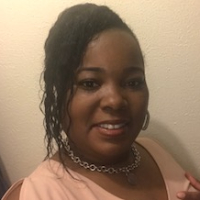
Louisiana · 10 yrs exp
Licensed Professional Counselor - Stress and relationships
Stress, Anxiety · Trauma and abuse · Anger · Self esteem · +8 more
Read profile
North Carolina · 30 yrs exp
Licensed counselor - stress and trauma
Stress, Anxiety · Addictions · LGBT · Trauma and abuse · +1 more
Read profile
New Jersey · 10 yrs exp
Licensed counselor - relationships and anxiety
Stress, Anxiety · Relationship · Family · Parenting · +4 more
Read profile
Louisiana · 12 yrs exp
LPC in Louisiana - relationship and trauma work
Relationship · Parenting · Anger · Self esteem · +14 more
Read profile
Alabama · 17 yrs exp
Licensed Professional Counselor - Stress and Anxiety
Stress, Anxiety · Addictions · Grief · Anger · +1 more
Read profile
Nevada · 25 yrs exp
LMFT focused on relationships and family concerns
Stress, Anxiety · Relationship · Family · Trauma and abuse · +1 more
Read profile
Florida · 8 yrs exp
Florida LMHC - stress and trauma focus
Stress, Anxiety · Trauma and abuse · Parenting · Self esteem · +11 more
Read profile
Connecticut · 24 yrs exp
CT LCSW - Anxiety and Depression
Stress, Anxiety · Addictions · Family · Bipolar · +10 more
Read profile
Illinois · 30 yrs exp
IL LCPC - Family and trauma
Family · Trauma and abuse · Grief · Depression · +7 more
Read profile
Virginia · 20 yrs exp
VA Psychologist - trauma and stress focus
Read profile
North Carolina · 20 yrs exp
LCMHC in North Carolina - stress and addictions
Stress, Anxiety · Addictions · Anger · Depression · +7 more
Read profile
Vermont · 34 yrs exp
LICSW - Stress and trauma support
Stress, Anxiety · Trauma and abuse · Self esteem · Depression · +1 more
Read profile
Ohio · 25 yrs exp
LPCC in Ohio - stress and relationships
Stress, Anxiety · Relationship · Self esteem · Depression · +1 more
Read profile
New Jersey · 13 yrs exp
LMFT - stress and relationship work
Stress, Anxiety · Relationship · Self esteem · Depression · +8 more
Read profile
North Carolina · 25 yrs exp
Licensed clinical mental health counselor - Stress and relationships
Stress, Anxiety · Relationship · Depression · Coping with life changes · +1 more
Read profile
Texas · 36 yrs exp
LMFT in Texas - stress and addictions work
Stress, Anxiety · Addictions · Trauma and abuse · Grief · +14 more
Read profile
California · 25 yrs exp
LMFT in California - Stress and Relationships
Stress, Anxiety · Relationship · Family · Self esteem · +1 more
Read profile
Kentucky · 7 yrs exp
LPCC in Kentucky - stress and relationships
Stress, Anxiety · Relationship · Trauma and abuse · Depression · +9 more
Read profile
New Jersey · 26 yrs exp
LMHC and LPC - stress and relationship concerns
Stress, Anxiety · Relationship · Family · Self esteem · +1 more
Read profile
Florida · 11 yrs exp
LMHC - Stress and trauma support
Stress, Anxiety · Trauma and abuse · Grief · Depression · +8 more
Read profile
Texas · 7 yrs exp
Dr. Sandra Webster-Brown - LPC, addictions and relationships
Stress, Anxiety · Addictions · Relationship · Trauma and abuse · +8 more
Read profile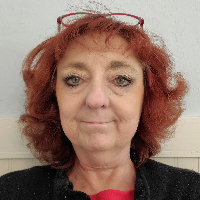
Oklahoma · 3 yrs exp
LPC in Oklahoma - Stress and relationship concerns
Stress, Anxiety · Anger · Depression · Coping with life changes · +7 more
Read profile
Oklahoma · 26 yrs exp
LPC in Oklahoma - Mood and anxiety concerns
Stress, Anxiety · Addictions · Trauma and abuse · Bipolar · +1 more
Read profile
Oklahoma · 30 yrs exp
LPC in Oklahoma - stress and trauma work
Stress, Anxiety · Family · Trauma and abuse · Grief · +6 more
Read profile
Arkansas · 16 yrs exp
LPC in Arkansas - stress and relationship work
Stress, Anxiety · Relationship · Parenting · Self esteem · +7 more
Read profile
Texas · 30 yrs exp
Licensed counselor - family and parenting
Stress, Anxiety · Family · Parenting · Depression · +1 more
Read profile
Minnesota · 14 yrs exp
Licensed Marriage and Family Therapist - Relationships and Mood
Stress, Anxiety · Relationship · Grief · Parenting · +11 more
Read profile
Texas · 8 yrs exp
Licensed Professional Counselor - trauma and mood concerns
Stress, Anxiety · Relationship · Trauma and abuse · Bipolar · +1 more
Read profile
Minnesota · 3 yrs exp
LICSW, LCSW - Stress and addiction support
Stress, Anxiety · Addictions · Trauma and abuse · Bipolar · +5 more
Read profile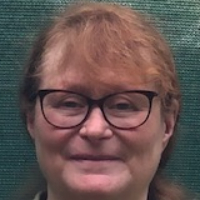
New York · 28 yrs exp
LMHC - Anxiety and Mood Concerns
Stress, Anxiety · Family · Grief · Depression · +4 more
Read profile
Minnesota · 3 yrs exp
MN Psychologist focused on mood and relationships
Stress, Anxiety · Addictions · Relationship · Trauma and abuse · +8 more
Read profile
Virginia · 30 yrs exp
LCSW - Stress and relationship concerns
Stress, Anxiety · Relationship · Grief · Depression · +16 more
Read profile
Texas · 16 yrs exp
Texas LPC - stress and trauma focus
Stress, Anxiety · Addictions · Relationship · Trauma and abuse · +9 more
Read profile
Ohio · 25 yrs exp
LISW - stress and relationship concerns
Stress, Anxiety · Addictions · Relationship · Family · +1 more
Read profile
Texas · 5 yrs exp
Licensed Professional Counselor - relationships and trauma
Relationship · Family · Trauma and abuse · Self esteem · +1 more
Read profileControl issues describe a pattern where you may depend heavily on predictability, rules, or rigid routines to feel comfortable. For some people this means attempting to manage every detail of work, family life, or relationships. For others it appears as a tendency to micromanage situations, avoid uncertainty, or react strongly when things do not go according to plan. Control issues often develop as a strategy to reduce anxiety or to cope with past experiences where you felt powerless. Over time, the strategy intended to help you can start to limit spontaneity, creativity, and close connection with others.
The impact of control issues can be physical, emotional, and social. You might notice increased tension in the body, trouble relaxing, difficulty delegating tasks, or frequent conflict with partners and co-workers. At the same time, people with control issues may internalize a demand for perfection that leads to burnout, procrastination, or avoidance of new experiences. Recognizing that these patterns are learned responses rather than fixed traits is a useful starting point for change. Therapy can provide tools to explore the origins of your need for control and to develop alternatives that allow you to feel more flexible while keeping a sense of safety and competence.
If you are asking whether therapy could help, there are a number of common signs that point toward beneficial work with a clinician. You may find yourself exhausted by attempts to manage every outcome, or you may lose time and energy trying to make situations conform to your expectations. Relationship strain is a frequent indicator: partners, friends, or family members may describe you as rigid, critical, or unwilling to compromise. You might also notice an all-or-nothing mindset, where anything short of your preferred outcome feels intolerable.
Other signs include chronic worry about potential mistakes, difficulty delegating even simple tasks, and distress when plans change. Perfectionism that reduces your willingness to try new things, or avoidance behaviors that limit life options, can also suggest that control patterns are interfering with your goals. If your attempts to control increase feelings of guilt, shame, or isolation, these emotional costs are valid reasons to seek support. Therapy gives you space to notice what you are trying to protect, to examine the costs of control, and to practice different responses in a guided way.
When you begin therapy for control issues, the first phase typically involves building trust and understanding your history. A therapist will ask about the situations where you feel compelled to take control, the thoughts that accompany those moments, and the emotions that drive your behavior. You will work together to identify patterns and the beliefs that sustain them, such as fears about unpredictability or a strong need to avoid failure. This assessment phase helps you and your therapist set realistic goals for change.
As therapy progresses you will likely practice new ways of tolerating uncertainty and regulating emotions. Sessions often include experiential exercises to notice bodily reactions, thought records to track automatic judgments, and behavioral experiments that allow you to test milder risks in real life. Rather than expecting immediate elimination of control impulses, therapy emphasizes gradual shifts - small experiments that expand your confidence in coping without rigid strategies. You should also expect conversations about boundaries, communication skills, and problem-solving so you can negotiate responsibilities without reverting to micromanagement. Therapy is collaborative, and pacing is adjusted to your readiness to try different approaches while maintaining a sense of safety.
Therapists working with control issues draw on a range of approaches, and many list several among their methods. Cognitive behavioral approaches are often used to identify and challenge thought patterns that feed the need for control, helping you reframe unhelpful beliefs and practice alternative behaviors. Acceptance and commitment approaches emphasize willingness to experience discomfort while committing to values-driven action, teaching skills to live alongside uncertainty rather than avoid it. Psychodynamic perspectives explore how early experiences and attachment patterns shape your relationship with control, offering insight into long-term emotional roots.
Some therapists list mindfulness-based strategies to help you observe urges without acting on them, and exposure techniques can be used to increase tolerance for unpredictability in a gradual, intentional way. Others may integrate relational approaches to focus on communication and interaction patterns that reinforce control dynamics in partnerships or families. When therapists reference interventions such as EMDR or other trauma-informed practices, they typically present them as options they list among their approaches rather than as endorsements of specific credentials. Discussing the fit of an approach with your preferences and needs is an important early step in therapeutic work.
Online therapy can be a practical option when you want to work on control issues from home or while traveling. Sessions commonly take place via video, phone, or messaging, and you can expect a format similar to in-person work - assessment, collaborative goal-setting, skill practice, and review of progress. One advantage is the ability to apply new behaviors in real-world contexts and then bring those experiences back into session for reflection. For example, after experimenting with delegating a task at work, you can discuss what happened, how you felt, and what adjustments to try next.
It helps to create a consistent setting for online sessions where you can speak freely without interruption. Choose a quiet location, use headphones if possible, and plan for a time when you are less likely to be distracted. If you prefer a therapist who speaks a particular language or who lists experience with certain life stages, searching profiles by language and focus can help you find clinicians whose backgrounds match your needs. Keep in mind that platform features and policies vary, so focus on the therapeutic match and professional details listed in the profiles.
When choosing a therapist for control issues, start by clarifying what matters most to you. You might prioritize a clinician who focuses on anxiety, trauma, relationships, or workplace stress. Look at profiles to see which approaches therapists list, such as cognitive behavioral methods, acceptance and commitment strategies, psychodynamic work, or mindfulness techniques, and reflect on which styles feel most aligned with how you prefer to learn and change. Pay attention to credentials and professional licensure as indicators of training background, and consider whether you prefer someone who mentions experience working with adults, couples, teens, or specific cultural identities.
Language and cultural fit matter when you want to be fully understood, so use profile details to find a match on those points. Reading a therapist's description can give you a sense of tone and emphasis - whether they highlight practical skills, emotional exploration, or a combination. Once you have a few profiles that feel promising, thinking ahead to your first session can help you make the most of the experience: identify the top two or three situations you want to change and be ready to discuss your goals. Therapy is a process, and finding the right match increases the likelihood that you will feel supported as you practice new ways of relating to uncertainty and control.
Alabama
197 therapists
Alaska
21 therapists
Arizona
128 therapists
Arkansas
96 therapists
Australia
305 therapists
California
1286 therapists
Colorado
239 therapists
Connecticut
136 therapists
Delaware
37 therapists
District of Columbia
36 therapists
Florida
1219 therapists
Georgia
346 therapists
Hawaii
45 therapists
Idaho
66 therapists
Illinois
438 therapists
Indiana
196 therapists
Iowa
42 therapists
Kansas
79 therapists
Kentucky
162 therapists
Louisiana
238 therapists
Maine
45 therapists
Maryland
275 therapists
Massachusetts
182 therapists
Michigan
401 therapists
Minnesota
147 therapists
Mississippi
129 therapists
Missouri
219 therapists
Montana
61 therapists
Nebraska
49 therapists
Nevada
64 therapists
New Hampshire
27 therapists
New Jersey
271 therapists
New Mexico
54 therapists
New York
750 therapists
North Carolina
438 therapists
North Dakota
12 therapists
Ohio
290 therapists
Oklahoma
196 therapists
Oregon
72 therapists
Pennsylvania
442 therapists
Rhode Island
25 therapists
South Carolina
218 therapists
South Dakota
22 therapists
Tennessee
203 therapists
Texas
1362 therapists
United Kingdom
1927 therapists
Utah
75 therapists
Vermont
25 therapists
Virginia
264 therapists
Washington
150 therapists
West Virginia
35 therapists
Wisconsin
146 therapists
Wyoming
21 therapists