
Dr. Steven Hurley
IL Psychologist 071007009Illinois · 19 yrs exp
IL Psychologist - Anxiety and Trauma
Stress, Anxiety · LGBT · Relationship · Trauma and abuse · +9 more
Read profileTherapist listings are provided by BetterHelp. We will earn a commission at no additional cost to you if you use our links to purchase.
This page lists therapists who focus on abandonment-related concerns, including attachment wounds, relationship losses, and fear of rejection. Browse the profiles below to compare approaches, credentials, focus areas, and languages to help guide your search.
Illinois · 19 yrs exp
IL Psychologist - Anxiety and Trauma
Stress, Anxiety · LGBT · Relationship · Trauma and abuse · +9 more
Read profile
Minnesota · 14 yrs exp
LMFT - relationships and family concerns
Stress, Anxiety · Relationship · Family · Trauma and abuse · +8 more
Read profile
Oregon · 32 yrs exp
Licensed Marriage and Family Therapist - Relationships and Trauma
Stress, Anxiety · Relationship · Trauma and abuse · Grief · +9 more
Read profile
Oklahoma · 30 yrs exp
LPC in Oklahoma - Stress and relationship concerns
Stress, Anxiety · Grief · Intimacy-related issues · Depression · +8 more
Read profile
North Carolina · 13 yrs exp
LCSW - anxiety and relationship support
Stress, Anxiety · Relationship · Family · Self esteem · +13 more
Read profile
California · 14 yrs exp
LCSW - stress, trauma, and life changes
Stress, Anxiety · Trauma and abuse · Grief · Self esteem · +8 more
Read profile
North Carolina · 20 yrs exp
LPC - anxiety and relationship concerns
Stress, Anxiety · Relationship · Family · Self esteem · +9 more
Read profile
Wisconsin · 11 yrs exp
Licensed Professional Counselor - Stress and Relationships
Stress, Anxiety · Family · Trauma and abuse · Depression · +12 more
Read profile
Texas · 10 yrs exp
LMFT - relationship and family concerns
Stress, Anxiety · Relationship · Family · Parenting · +5 more
Read profile
Virginia · 14 yrs exp
Licensed Professional Counselor - Trauma and Adolescents
Trauma and abuse · Grief · Coping with life changes · Compassion fatigue · +12 more
Read profile
New York · 36 yrs exp
LMHC - Anxiety and Family Concerns
Stress, Anxiety · Family · Parenting · Self esteem · +7 more
Read profile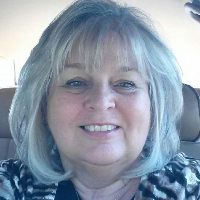
Florida · 16 yrs exp
Florida LMHC - Stress and trauma focus
Stress, Anxiety · Trauma and abuse · Self esteem · Depression · +6 more
Read profile
Texas · 10 yrs exp
Dr. Sydney Crane - LMFT focused on anxiety and grief
Stress, Anxiety · LGBT · Relationship · Grief · +12 more
Read profile
Florida · 8 yrs exp
Florida LMHC - Stress and Relationship Concerns
Stress, Anxiety · Relationship · Family · Coping with life changes · +9 more
Read profile
Florida · 11 yrs exp
FL LMHC - Stress and Relationship Concerns
Stress, Anxiety · Relationship · Parenting · Self esteem · +11 more
Read profile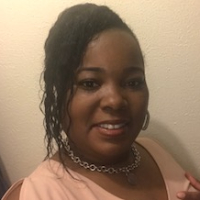
Louisiana · 10 yrs exp
Licensed Professional Counselor - Stress and relationships
Stress, Anxiety · Trauma and abuse · Anger · Self esteem · +8 more
Read profile
North Carolina · 30 yrs exp
Licensed counselor - stress and trauma
Stress, Anxiety · Addictions · LGBT · Trauma and abuse · +1 more
Read profile
North Carolina · 20 yrs exp
LCMHC LPC - Stress and Addictions
Stress, Anxiety · Addictions · LGBT · Relationship · +1 more
Read profile
Nevada · 25 yrs exp
LMFT focused on relationships and family concerns
Stress, Anxiety · Relationship · Family · Trauma and abuse · +1 more
Read profile
California · 6 yrs exp
LMFT in California - stress and relationships
Stress, Anxiety · Addictions · Relationship · Depression · +10 more
Read profile
Virginia · 10 yrs exp
LICSW, LCSW - relationships and trauma
Relationship · Trauma and abuse · Self esteem · Depression · +5 more
Read profile
Florida · 8 yrs exp
Florida LMHC - stress and trauma focus
Stress, Anxiety · Trauma and abuse · Parenting · Self esteem · +11 more
Read profile
Connecticut · 24 yrs exp
CT LCSW - Anxiety and Depression
Stress, Anxiety · Addictions · Family · Bipolar · +10 more
Read profile
Illinois · 30 yrs exp
IL LCPC - Family and trauma
Family · Trauma and abuse · Grief · Depression · +7 more
Read profile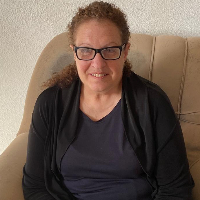
New Jersey · 25 yrs exp
Licensed Professional Counselor - Stress and Trauma
Stress, Anxiety · Trauma and abuse · Grief · Career · +9 more
Read profile
Florida · 34 yrs exp
LMHC - relationships and trauma focus
Stress, Anxiety · Relationship · Trauma and abuse · Grief · +9 more
Read profile
Ohio · 25 yrs exp
LPCC in Ohio - stress and relationships
Stress, Anxiety · Relationship · Self esteem · Depression · +1 more
Read profile
New York · 23 yrs exp
LMHC in New York - Stress and trauma focus
Stress, Anxiety · Trauma and abuse · Grief · Depression · +13 more
Read profile
Idaho · 5 yrs exp
Licensed Professional Counselor - stress and addiction work
Stress, Anxiety · Addictions · Relationship · Depression · +6 more
Read profile
Florida · 13 yrs exp
LCSW - stress and relationship concerns
Stress, Anxiety · Relationship · Trauma and abuse · Self esteem · +4 more
Read profile
New Jersey · 13 yrs exp
LMFT - stress and relationship work
Stress, Anxiety · Relationship · Self esteem · Depression · +8 more
Read profile
Texas · 36 yrs exp
LMFT in Texas - stress and addictions work
Stress, Anxiety · Addictions · Trauma and abuse · Grief · +14 more
Read profile
California · 25 yrs exp
LMFT in California - Stress and Relationships
Stress, Anxiety · Relationship · Family · Self esteem · +1 more
Read profile
Kentucky · 7 yrs exp
LPCC in Kentucky - stress and relationships
Stress, Anxiety · Relationship · Trauma and abuse · Depression · +9 more
Read profile
New Jersey · 26 yrs exp
LMHC and LPC - stress and relationship concerns
Stress, Anxiety · Relationship · Family · Self esteem · +1 more
Read profile
Florida · 11 yrs exp
LMHC - Stress and trauma support
Stress, Anxiety · Trauma and abuse · Grief · Depression · +8 more
Read profile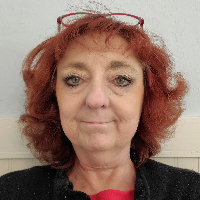
Oklahoma · 3 yrs exp
LPC in Oklahoma - Stress and relationship concerns
Stress, Anxiety · Anger · Depression · Coping with life changes · +7 more
Read profile
Texas · 8 yrs exp
Licensed Professional Counselor - trauma and mood concerns
Stress, Anxiety · Relationship · Trauma and abuse · Bipolar · +1 more
Read profile
Illinois · 20 yrs exp
LCPC - stress, mood, relationship work
Stress, Anxiety · Relationship · Parenting · Bipolar · +1 more
Read profile
Texas · 16 yrs exp
Texas LPC - stress and trauma focus
Stress, Anxiety · Addictions · Relationship · Trauma and abuse · +9 more
Read profile
Indiana · 40 yrs exp
LMHC and LMFT - Stress and Relationship work
Stress, Anxiety · Relationship · Family · Trauma and abuse · +8 more
Read profile
New York · 20 yrs exp
LCSW - stress and relationship concerns
Stress, Anxiety · Addictions · Relationship · Career · +5 more
Read profile
South Dakota · 8 yrs exp
LPC in South Dakota - Stress and Relationships
Stress, Anxiety · Relationship · Trauma and abuse · Career · +1 more
Read profile
Oklahoma · 22 yrs exp
LMFT - Couples and family concerns
Stress, Anxiety · Relationship · Family · Addictions · +12 more
Read profile
Texas · 7 yrs exp
LPC focusing on stress and relationships
Stress, Anxiety · Addictions · Relationship · Coping with life changes · +13 more
Read profile
New York · 7 yrs exp
LMHC - addictions and relationship work
Addictions · Relationship · Intimacy-related issues · Self esteem · +3 more
Read profile
Texas · 20 yrs exp
LCSW - trauma, anxiety and life stress
Stress, Anxiety · Trauma and abuse · Grief · Self esteem · +9 more
Read profile
California · 13 yrs exp
LMFT - stress and mood concerns
Stress, Anxiety · Addictions · Trauma and abuse · Bipolar · +1 more
Read profile
Florida · 9 yrs exp
LMHC - Depression and Anxiety focused
Stress, Anxiety · Self esteem · Depression · Coping with life changes · +11 more
Read profile
Georgia · 15 yrs exp
LCSW working with stress and trauma
Stress, Anxiety · Trauma and abuse · Grief · Self esteem · +1 more
Read profile
Illinois · 19 yrs exp
Illinois LCPC - stress and anxiety
Stress, Anxiety · Grief · Anger · Self esteem · +1 more
Read profile
Texas · 12 yrs exp
Licensed Professional Counselor - stress and grief support
Stress, Anxiety · Grief · Depression · Compassion fatigue · +5 more
Read profile
Texas · 17 yrs exp
Licensed Professional Counselor - Anxiety and Addictions
Stress, Anxiety · Addictions · LGBT · Trauma and abuse · +11 more
Read profile
Florida · 7 yrs exp
LCSW - anxiety and relationship concerns
Stress, Anxiety · Relationship · Trauma and abuse · Self esteem · +1 more
Read profile
Florida · 14 yrs exp
LMFT focused on relationships and life transitions
Relationship · Family · Trauma and abuse · Self esteem · +8 more
Read profile
United Kingdom · 12 yrs exp
BACP counsellor - stress and relationships
Stress, Anxiety · Relationship · Grief · Parenting · +7 more
Read profile
United Kingdom · 8 yrs exp
Counsellor - anxiety and relationship concerns
Stress, Anxiety · Relationship · Grief · Self esteem · +15 more
Read profile
California · 12 yrs exp
LCSW - stress and relationship concerns
Stress, Anxiety · Relationship · Grief · Depression · +13 more
Read profile
United Kingdom · 8 yrs exp
BACP counsellor - relationships and trauma
Stress, Anxiety · Grief · Depression · Compassion fatigue · +10 more
Read profile
United Kingdom · 13 yrs exp
BACP NCPS counsellor - stress and trauma
Stress, Anxiety · LGBT · Trauma and abuse · Grief · +1 more
Read profileAbandonment refers to experiences in which a person perceives that someone important to them has left, withdrawn, or failed to meet emotional needs. Those experiences can be recent, such as the end of a relationship, or rooted in childhood events where a caregiver was absent, inconsistent, or emotionally unavailable. You may find that the feeling of abandonment shows up as a recurring theme across different relationships, shaping how you expect others to behave and how you manage closeness and distance.
The emotional impact of abandonment can be broad. Some people notice intense anxiety when relationships become uncertain, while others cope by withdrawing to avoid being hurt again. You might find yourself cycling between clinging behaviors and pushing people away, or feeling chronic low self-worth that traces back to early losses. Abandonment can influence trust, sexual intimacy, parenting, and your ability to form long-term commitments. Recognizing its patterns is a first step; therapy can offer ways to explore the past and build different relational habits for the present.
Signs that abandonment is affecting your life can be subtle or dramatic. You might notice that small relationship stresses trigger overwhelming fear, or that you expect rejection even in stable relationships. Some people feel chronically lonely despite being surrounded by friends or partners. Others experience intense jealousy or intrusive worry that a partner will leave, which can lead to frequent conflict. If you find that past losses replay through recurring nightmares, persistent sadness, or states of numbness, these can also point to unresolved abandonment wounds.
Seeking help is not only for moments of crisis. You might choose to pursue therapy if patterns related to abandonment limit your ability to form healthy attachments, if your mood or day-to-day functioning is affected, or if you want to understand how past relationships continue to influence present choices. Therapy can help you learn new ways of relating, regulate intense emotions, and develop a clearer sense of what you need from relationships. If you are parenting, addressing your own abandonment history can also change how you respond to your children, breaking cycles that might otherwise continue.
When you start therapy for abandonment concerns, the first phase typically involves assessment and building rapport. Your therapist will usually ask about relationship history, significant losses, attachment patterns, and current triggers. This process helps both of you form a shared understanding of how abandonment shows up in your life. You can expect a careful, paced approach that honors emotional intensity while introducing tools to manage distress in and outside of sessions.
As therapy progresses, sessions often combine emotional processing with practical skill-building. You may work on identifying and naming the sensations that accompany fear of loss, learning techniques to soothe yourself in moments of panic, and practicing communication strategies that reduce reactivity. Therapists often encourage gentle experimentation in relationships - for example, trying a new way of asking for reassurance or setting clearer boundaries - and then reflecting on what happened. Over time, the aim is to shift from reactive patterns rooted in past abandonment to more mindful, intentional ways of relating in the present.
Therapists use a range of approaches when working with abandonment, and many list multiple methods among their approaches. Psychodynamic therapy tends to focus on how early relationships shape current patterns, helping you trace repetitive themes back to formative experiences. Attachment-based approaches emphasize the role of bonding and safety in relationships, and they often target the ways you seek connection and respond to separation.
Cognitive and behavioral approaches offer practical strategies to address the thoughts and behaviors that maintain anxiety about abandonment. These techniques can help you test beliefs like I will always be left or I am unlovable, and replace them with more balanced perspectives. Somatic and body-oriented approaches help you identify where fear and grief are held in the body and offer ways to release and regulate those sensations. Therapists who list EMDR among their approaches may use it to process distressing memories tied to separation, while those who mention attachment-informed or relational methods may focus on reworking your internal templates for closeness. Group therapy can also be helpful, as it provides a context to practice new interpersonal skills and receive feedback in a community setting.
Online therapy often mirrors in-person work in structure and process. Sessions are typically conducted via video or phone, and many people find the format allows them to access therapists who specialize in abandonment without geographic limits. You might appreciate the comfort of meeting from your own home or from a personal area that feels familiar. Therapists usually establish boundaries and a working plan for session length, frequency, and communication, and they will discuss how to manage intense reactions between sessions.
When you try online therapy for abandonment, think about where you will meet so you can speak openly and attend fully to emotional material. A quiet room, a comfortable chair, and a place where you will not be interrupted can make a difference in how deeply you engage. If you live with others, you can create a temporary routine that protects time for sessions, such as using earphones and signaling that you need uninterrupted time. Some people prefer video to pick up nonverbal cues, while others prefer phone sessions when emotional content feels overwhelming. Technology glitches happen, so ask your therapist about backup plans for dropped calls or connectivity issues.
Choosing a therapist is a personal process. Start by looking at profiles to compare focus areas, stated approaches, and credentials that matter to you. Notice whether a therapist mentions working with attachment wounds, relationship trauma, grief, or separation anxiety - these focus areas often align with abandonment work. Pay attention to languages spoken, lived experience, and cultural competence if those factors affect how you relate in therapy. You can also review any descriptions that outline how therapists approach early relationship wounds and how they help clients move from reactivity to regulation.
When you contact a therapist, use that first interaction to assess fit. Think about whether the therapist’s tone and explanations resonate with how you like to be heard, and whether they articulate a clear, compassionate process for working on abandonment-related issues. It is reasonable to ask about the kinds of techniques they commonly use and how they conceptualize recovery from repeated patterns of loss or mistrust. While you should not expect guarantees, you can look for a professional who explains interventions in a way that feels understandable and respectful of your goals. Finally, trust your responses during that early contact - feeling at ease and respected is often a strong indicator that a therapeutic relationship can be productive.
Working through abandonment concerns is often challenging but also deeply rewarding. Over time you can learn to recognize old patterns, manage intense emotions, and form more supported, sustaining bonds. Use the listings above to explore therapists who focus on this work and to find professionals whose approach, language skills, and focus areas align with what you need.
Alabama
197 therapists
Alaska
21 therapists
Arizona
128 therapists
Arkansas
96 therapists
Australia
305 therapists
California
1286 therapists
Colorado
239 therapists
Connecticut
136 therapists
Delaware
37 therapists
District of Columbia
36 therapists
Florida
1219 therapists
Georgia
346 therapists
Hawaii
45 therapists
Idaho
66 therapists
Illinois
438 therapists
Indiana
196 therapists
Iowa
42 therapists
Kansas
79 therapists
Kentucky
162 therapists
Louisiana
238 therapists
Maine
45 therapists
Maryland
275 therapists
Massachusetts
182 therapists
Michigan
401 therapists
Minnesota
147 therapists
Mississippi
129 therapists
Missouri
219 therapists
Montana
61 therapists
Nebraska
49 therapists
Nevada
64 therapists
New Hampshire
27 therapists
New Jersey
271 therapists
New Mexico
54 therapists
New York
750 therapists
North Carolina
438 therapists
North Dakota
12 therapists
Ohio
290 therapists
Oklahoma
196 therapists
Oregon
72 therapists
Pennsylvania
442 therapists
Rhode Island
25 therapists
South Carolina
218 therapists
South Dakota
22 therapists
Tennessee
203 therapists
Texas
1362 therapists
United Kingdom
1927 therapists
Utah
75 therapists
Vermont
25 therapists
Virginia
264 therapists
Washington
150 therapists
West Virginia
35 therapists
Wisconsin
146 therapists
Wyoming
21 therapists