Sheet 1
- Trauma and grief
- Cognitive-behavioral methods
- Fertility clinic experience
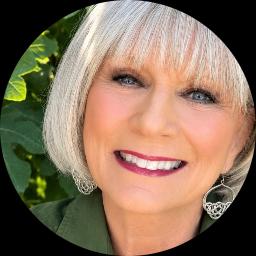
About Linda
LCSW in Texas with 20 years of clinical experience, Linda Jacobs focuses on stress, anxiety, trauma and abuse, grief, self-esteem, depression, addictions, relationship and intimacy-related issues, eating and sleeping problems, career concerns, and ADHD. She also pays attention to abandonment and attachment issues, autism and Asperger syndrome, codependency, commitment and communication problems, dissociation, emptiness, fertility matters, and hospice and end-of-life counseling. Linda works in English and accepts international clients.
Linda's background includes work in private practice, a non-profit community clinic, and a fertility clinic. She uses a mix of evidence-based therapeutic techniques chosen to fit each person's needs. In sessions she helps people spot behavior patterns that get in the way of their goals and talks through practical steps to change them.
Her approach is collaborative. She talks with clients about what matters to them and builds a plan that reflects those priorities. She names and examines triggers, coping habits, and relationship patterns so clients can make informed choices about change.
Linda draws from methods such as cognitive-behavioral approaches, dialectical-behavior elements, client-centered work, brief therapy, and other techniques that may help with trauma, anxiety, and motivation. She aims to match methods to what a person finds most helpful rather than using one fixed model.
People who choose her often want clear, practical conversations about patterns, coping skills, and decisions. To begin, readers are asked to confirm current session options before scheduling a first appointment. The practice uses a subscription model that can be canceled at any time.
Sheet 2
How evidence-based methods are used in remote sessions
CBT or cognitive-behavioral approaches focus on identifying thoughts and behaviors that keep problems going. In practice this means tracking patterns, trying small behavior experiments, and developing skills to reduce anxiety, improve sleep, or manage cravings.Dialectical-behavior elements provide concrete skills for managing intense emotions and improving communication. These include short skills practice, grounding techniques, and structured conversation about relationship patterns that can help with mood swings and interpersonal stress.
She will work with each person to decide which methods fit best. Figuring out the right mix is collaborative: goals, preferences, and how a person responds to initial steps guide future sessions.
Confirm the session formats available before booking. Knowing the format helps pick practical benefits: remote sessions can make it easier to fit therapy into a workday, allow shorter check-ins when schedules are tight, or remove the need to travel to an office. Discussing which methods to use and how often to meet happens in the first appointments so sessions align with everyday life and treatment goals.
Sheet 3
Areas of expertise
Also works with
Additional focus areas
Experience
20+ years
Listed in
Texas
Languages
English
Sheet 4
Frequently asked questions
What kinds of concerns does she address?
She works with stress, anxiety, trauma and abuse, grief, self-esteem, depression, addictions, relationship and intimacy-related issues, eating and sleeping problems, career concerns, and ADHD. Additional focuses include attachment, abandonment, dissociation, and fertility matters.
What is her therapeutic style?
She uses a collaborative, practical approach that helps people recognize unhelpful patterns and try new behaviors. Methods include cognitive-behavioral and client-centered techniques among others.
How much clinical experience does she have?
She has 20 years of professional work experience in settings that include private practice, a non-profit community clinic, and a fertility clinic.
What are her credentials and location?
She is an LCSW licensed in Texas and practices with a Texas-based credential. Sessions are provided in English.
Can I work with her from outside the United States?
International clients are accepted. Confirm session options and any regional considerations when booking.
Which session formats are available?
The original biography does not list specific session formats. Please confirm current session options before booking so you know whether video, phone, or in-person meetings are offered.
How are sessions paid for?
Sessions use a subscription model that can be canceled at any time. Cost varies with location, so check the plan details for regional pricing.
What do I do to get started?
Select the See online therapy options button, complete the short matching questionnaire, and schedule a first session through the booking flow.
Online talk therapy is not emergency care. If you are in danger, use the urgent help numbers.