
Lee Watts
LICSW, LCSWFlorida · 23 yrs exp
LICSW, LCSW focused on LGBT and intimacy issues
LGBT · Intimacy-related issues
Read profileTherapist listings are provided by BetterHelp. We will earn a commission at no additional cost to you if you use our links to purchase.
This page lists therapists who work with workplace issues, including burnout, interpersonal conflict, career transitions, and performance stress. Each profile notes listed approaches, credentials, languages, and focus areas to help you learn more. Browse the therapist listings below to explore options.
Florida · 23 yrs exp
LICSW, LCSW focused on LGBT and intimacy issues
LGBT · Intimacy-related issues
Read profile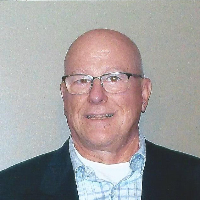
Illinois · 20 yrs exp
LCPC in Illinois - depression and anxiety
Stress, Anxiety · LGBT · Anger · Self esteem · +12 more
Read profile
Oregon · 32 yrs exp
Licensed Marriage and Family Therapist - Relationships and Trauma
Stress, Anxiety · Relationship · Trauma and abuse · Grief · +9 more
Read profile
California · 14 yrs exp
LCSW - stress, trauma, and life changes
Stress, Anxiety · Trauma and abuse · Grief · Self esteem · +8 more
Read profile
Kentucky · 11 yrs exp
Licensed Marriage and Family Therapist - Relationship work
Stress, Anxiety · Relationship · Family · Self esteem · +9 more
Read profile
Pennsylvania · 9 yrs exp
Licensed Professional Counselor - stress and relationships
Stress, Anxiety · Grief · Parenting · Self esteem · +11 more
Read profile
Wisconsin · 11 yrs exp
Licensed Professional Counselor - Stress and Relationships
Stress, Anxiety · Family · Trauma and abuse · Depression · +12 more
Read profile
Florida · 10 yrs exp
LMHC - Stress and parenting support
Stress, Anxiety · Family · Parenting · Self esteem · +10 more
Read profile
Virginia · 14 yrs exp
Licensed Professional Counselor - Trauma and Adolescents
Trauma and abuse · Grief · Coping with life changes · Compassion fatigue · +12 more
Read profile
Texas · 18 yrs exp
Licensed Professional Counselor - Stress and Relationships
Stress, Anxiety · Relationship · Family · Parenting · +9 more
Read profile
Wisconsin · 11 yrs exp
Licensed counselor - stress and relationships
Stress, Anxiety · Relationship · Family · Self esteem · +6 more
Read profile
Georgia · 12 yrs exp
LPC in Georgia - stress and trauma focus
Stress, Anxiety · Addictions · Trauma and abuse · Anger · +1 more
Read profile
New York · 36 yrs exp
LMHC - Anxiety and Family Concerns
Stress, Anxiety · Family · Parenting · Self esteem · +7 more
Read profile
South Carolina · 13 yrs exp
LISW-CP therapist - family and stress support
Stress, Anxiety · Family · Parenting · Self esteem · +10 more
Read profile
Florida · 16 yrs exp
Florida LMHC - Stress and trauma focus
Stress, Anxiety · Trauma and abuse · Self esteem · Depression · +6 more
Read profile
Texas · 10 yrs exp
Dr. Sydney Crane - LMFT focused on anxiety and grief
Stress, Anxiety · LGBT · Relationship · Grief · +12 more
Read profile
Louisiana · 20 yrs exp
Licensed Counselor - Addictions and Trauma
Addictions · Trauma and abuse · Anger · Bipolar · +1 more
Read profile
California · 39 yrs exp
LMFT - stress and relationship concerns
Stress, Anxiety · Relationship · Grief · Career · +1 more
Read profile
Florida · 11 yrs exp
FL LMHC - Stress and Relationship Concerns
Stress, Anxiety · Relationship · Parenting · Self esteem · +11 more
Read profile
Louisiana · 10 yrs exp
Licensed Professional Counselor - Stress and relationships
Stress, Anxiety · Trauma and abuse · Anger · Self esteem · +8 more
Read profile
Illinois · 11 yrs exp
Licensed counselor - anxiety and trauma
Stress, Anxiety · Relationship · Family · Trauma and abuse · +1 more
Read profile
New Jersey · 10 yrs exp
Licensed counselor - relationships and anxiety
Stress, Anxiety · Relationship · Family · Parenting · +4 more
Read profile
New York · 13 yrs exp
LCSW in New York - trauma and anxiety focus
Stress, Anxiety · Trauma and abuse · Career · Depression · +8 more
Read profile
Michigan · 10 yrs exp
LMSW in Michigan - anxiety and depression
Stress, Anxiety · Addictions · Relationship · Family · +12 more
Read profile
California · 6 yrs exp
LMFT in California - stress and relationships
Stress, Anxiety · Addictions · Relationship · Depression · +10 more
Read profile
Florida · 8 yrs exp
Florida LMHC - stress and trauma focus
Stress, Anxiety · Trauma and abuse · Parenting · Self esteem · +11 more
Read profile
Illinois · 30 yrs exp
IL LCPC - Family and trauma
Family · Trauma and abuse · Grief · Depression · +7 more
Read profile
North Carolina · 27 yrs exp
LCMHC - Stress and relationship concerns
Stress, Anxiety · Self esteem · Coping with life changes · Relationship · +7 more
Read profile
Virginia · 20 yrs exp
VA Psychologist - trauma and stress focus
Read profile
North Carolina · 10 yrs exp
LCSW - stress, trauma, and life changes
Stress, Anxiety · Trauma and abuse · Self esteem · Depression · +1 more
Read profile
Nevada · 17 yrs exp
LMFT focused on anxiety and relationships
Stress, Anxiety · Relationship · Intimacy-related issues · Self esteem · +3 more
Read profile
Idaho · 5 yrs exp
Licensed Professional Counselor - stress and addiction work
Stress, Anxiety · Addictions · Relationship · Depression · +6 more
Read profile
Florida · 13 yrs exp
LCSW - stress and relationship concerns
Stress, Anxiety · Relationship · Trauma and abuse · Self esteem · +4 more
Read profile
New Jersey · 13 yrs exp
LMFT - stress and relationship work
Stress, Anxiety · Relationship · Self esteem · Depression · +8 more
Read profile
North Carolina · 25 yrs exp
Licensed clinical mental health counselor - Stress and relationships
Stress, Anxiety · Relationship · Depression · Coping with life changes · +1 more
Read profile
California · 25 yrs exp
LMFT in California - Stress and Relationships
Stress, Anxiety · Relationship · Family · Self esteem · +1 more
Read profile
Kentucky · 7 yrs exp
LPCC in Kentucky - stress and relationships
Stress, Anxiety · Relationship · Trauma and abuse · Depression · +9 more
Read profile
New Jersey · 26 yrs exp
LMHC and LPC - stress and relationship concerns
Stress, Anxiety · Relationship · Family · Self esteem · +1 more
Read profile
Georgia · 12 yrs exp
Licensed Professional Counselor - anxiety and LGBT concerns
LGBT · Relationship · Bipolar · Coping with life changes · +6 more
Read profile
Oklahoma · 3 yrs exp
LPC in Oklahoma - Stress and relationship concerns
Stress, Anxiety · Anger · Depression · Coping with life changes · +7 more
Read profile
New York · 17 yrs exp
Licensed counselor - trauma and mood concerns
Stress, Anxiety · Self esteem · Career · Depression · +14 more
Read profile
Texas · 30 yrs exp
Licensed counselor - family and parenting
Stress, Anxiety · Family · Parenting · Depression · +1 more
Read profile
Minnesota · 14 yrs exp
Licensed Marriage and Family Therapist - Relationships and Mood
Stress, Anxiety · Relationship · Grief · Parenting · +11 more
Read profile
Minnesota · 3 yrs exp
LICSW, LCSW - Stress and addiction support
Stress, Anxiety · Addictions · Trauma and abuse · Bipolar · +5 more
Read profile
Minnesota · 3 yrs exp
MN Psychologist focused on mood and relationships
Stress, Anxiety · Addictions · Relationship · Trauma and abuse · +8 more
Read profile
Virginia · 30 yrs exp
LCSW - Stress and relationship concerns
Stress, Anxiety · Relationship · Grief · Depression · +16 more
Read profile
Texas · 5 yrs exp
Licensed Professional Counselor - relationships and trauma
Relationship · Family · Trauma and abuse · Self esteem · +1 more
Read profile
Pennsylvania · 25 yrs exp
Licensed Professional Counselor - Addictions and Relationships
Addictions · Relationship · Family · Anger · +1 more
Read profile
Texas · 24 yrs exp
LPC in Texas - stress and relationship concerns
Stress, Anxiety · Relationship · Family · Trauma and abuse · +2 more
Read profile
Florida · 31 yrs exp
LCSW - stress and anxiety
Stress, Anxiety · LGBT · Family · Depression · +1 more
Read profile
New York · 20 yrs exp
LCSW - stress and relationship concerns
Stress, Anxiety · Addictions · Relationship · Career · +5 more
Read profile
South Dakota · 8 yrs exp
LPC in South Dakota - Stress and Relationships
Stress, Anxiety · Relationship · Trauma and abuse · Career · +1 more
Read profile
Texas · 3 yrs exp
Licensed Professional Counselor - stress and relationships
Stress, Anxiety · Trauma and abuse · Anger · Self esteem · +7 more
Read profile
Florida · 13 yrs exp
LMHC - stress and anxiety focus
Stress, Anxiety · Self esteem · Career · Coping with life changes · +9 more
Read profile
Texas · 7 yrs exp
LPC focusing on stress and relationships
Stress, Anxiety · Addictions · Relationship · Coping with life changes · +13 more
Read profile
Texas · 20 yrs exp
LCSW - trauma, anxiety and life stress
Stress, Anxiety · Trauma and abuse · Grief · Self esteem · +9 more
Read profile
Florida · 20 yrs exp
LCSW - Stress and Trauma work
Stress, Anxiety · Addictions · Relationship · Trauma and abuse · +6 more
Read profile
North Carolina · 8 yrs exp
LCMHC in North Carolina - stress and trauma
Stress, Anxiety · Relationship · Trauma and abuse · Depression · +1 more
Read profile
Illinois · 19 yrs exp
Illinois LCPC - stress and anxiety
Stress, Anxiety · Grief · Anger · Self esteem · +1 more
Read profile
Alabama · 14 yrs exp
Licensed Professional Counselor - Stress and Anxiety
Stress, Anxiety · Family · Parenting · Self esteem · +10 more
Read profileWorkplace issues cover a wide range of experiences that can make work feel difficult, draining, or overwhelming. You might face persistent stress from workload demands, unclear expectations, or chronic time pressure. Interpersonal problems with colleagues, managers, or clients can leave you feeling isolated, undermined, or anxious. Larger organizational changes such as restructuring, downsizing, or shifts in role responsibilities can also trigger uncertainty and loss of professional identity. For many people workplace issues are not a single event but a pattern that affects mood, sleep, appetite, and your sense of meaning at work.
Even if you do not work full time, similar issues can arise during job searches, contract work, entrepreneurship, or caregiving combined with employment. When work-related stress is ongoing it can spill into your personal life, making it harder to maintain relationships, manage household responsibilities, or enjoy leisure time. You do not have to wait until a crisis to seek support. Therapy can help you regain perspective on specific conflicts, rebuild coping strategies, and make clearer decisions about next steps in your career.
You may find therapy helpful if work regularly drains your energy or if you notice changes in how you feel about yourself. Common signs include frequent feelings of dread about work, difficulty concentrating on tasks that were once manageable, or repeated avoidance of certain people or meetings. You might experience heightened irritation, emotional outbursts, or a sense of numbness. Physical symptoms such as headaches, gastrointestinal distress, or trouble sleeping can accompany these emotional responses.
If you are replaying interactions in your head, second-guessing choices, or worrying about how work affects your family life, therapy can create a space to examine those patterns. You may also consider a therapist if you are navigating a major transition - switching careers, asking for a promotion, negotiating boundaries, or returning after a leave. Even when concerns feel practical - such as wanting better time management or preparing for difficult conversations - a therapist can help you identify underlying patterns that influence decision-making and behavior.
When you start working with a therapist about workplace issues, the initial sessions typically focus on understanding your history and current challenges. You will be asked about your role, work environment, relationships with colleagues and supervisors, and any specific incidents that brought you to seek support. The therapist will want to know about your goals - whether you aim to reduce anxiety, improve communication at work, explore new career paths, or recover from burnout. This assessment guides a collaborative plan for sessions.
Sessions often mix reflection and skill-building. You will have time to process emotions related to stressful events and to examine the beliefs that shape your reactions. You may work on practical skills such as assertive communication, problem-solving, boundary-setting, and stress management techniques. A therapist can help you rehearse challenging conversations and develop strategies for pacing and workload management. Progress is usually gradual, and sessions are tailored to your pace - some people focus on short-term solutions while others explore deeper patterns that influence career choices and relationships.
Therapists bring a variety of theoretical perspectives to workplace issues. You will find therapists who list cognitive-behavioral approaches among their approaches, which often focus on identifying unhelpful thinking patterns and testing alternative ways of responding. There are therapists who list acceptance and commitment approaches among their approaches, emphasizing values-based action and skills for working with difficult thoughts without getting overwhelmed by them. Mindfulness-informed approaches are also commonly listed and can help you develop present-moment awareness to reduce reactivity in high-stress situations.
Some therapists list psychodynamic approaches among their approaches, which explore how early experiences and relationship patterns influence your responses to authority, feedback, and workplace dynamics. Therapists who list interpersonal approaches among their approaches focus on patterns of relating and communication, which can be helpful when conflict or boundary issues are prominent. You will also encounter therapists who list solution-focused approaches among their approaches, which concentrate on practical steps and small, measurable changes to improve functioning at work. Because directory entries record approaches listed by therapists rather than verified training, you may want to read profiles and descriptions to find an approach that aligns with your needs.
Online therapy offers flexibility for addressing workplace issues because you can schedule sessions outside of commuting hours and meet in a setting that is convenient for you. Sessions commonly happen by video or phone, and some therapists offer messaging options for brief check-ins. You should expect to discuss logistical details such as session length, fees, cancellation policies, and the technical platform used for meetings. Many people appreciate the convenience of remote sessions when work schedules are unpredictable or travel is frequent.
Begin by clarifying what you want from therapy - symptom relief, improved communication skills, support with career decisions, or help recovering from exhaustion. Use those priorities to filter profiles by focus areas and descriptions. Pay attention to the approaches therapists list among their approaches, and consider whether you prefer a skills-based method, a reflective exploratory approach, or a combination. Look at listed credentials and licensure to understand the professional context in which a therapist practices. Language abilities and cultural competence are important if you want a clinician who understands your background and workplace culture.
When you find a few profiles that seem promising, prepare questions that matter to you. You might ask how a therapist typically structures work-focused sessions, what goals they help clients set, and how they support practical changes such as setting boundaries or preparing for performance reviews. If you plan to use teletherapy, confirm technical details and what to do if a session is interrupted. Consider cost and insurance or payment options as part of your decision. Finally, trust your sense of fit; the relationship with a therapist influences how comfortable you feel discussing sensitive workplace dynamics and testing new strategies.
Navigating workplace issues can be challenging, but connecting with a therapist who understands this area can help you clarify priorities, build practical skills, and approach work with renewed perspective. Use the listings on this page to explore practitioners who list workplace issues among their focus areas and to identify approaches and languages that match your needs. Taking that first step to inquire can help you move toward greater balance and clarity in your professional life.
Alabama
197 therapists
Alaska
21 therapists
Arizona
128 therapists
Arkansas
96 therapists
Australia
305 therapists
California
1286 therapists
Colorado
239 therapists
Connecticut
136 therapists
Delaware
37 therapists
District of Columbia
36 therapists
Florida
1219 therapists
Georgia
346 therapists
Hawaii
45 therapists
Idaho
66 therapists
Illinois
438 therapists
Indiana
196 therapists
Iowa
42 therapists
Kansas
79 therapists
Kentucky
162 therapists
Louisiana
238 therapists
Maine
45 therapists
Maryland
275 therapists
Massachusetts
182 therapists
Michigan
401 therapists
Minnesota
147 therapists
Mississippi
129 therapists
Missouri
219 therapists
Montana
61 therapists
Nebraska
49 therapists
Nevada
64 therapists
New Hampshire
27 therapists
New Jersey
271 therapists
New Mexico
54 therapists
New York
750 therapists
North Carolina
438 therapists
North Dakota
12 therapists
Ohio
290 therapists
Oklahoma
196 therapists
Oregon
72 therapists
Pennsylvania
442 therapists
Rhode Island
25 therapists
South Carolina
218 therapists
South Dakota
22 therapists
Tennessee
203 therapists
Texas
1362 therapists
United Kingdom
1927 therapists
Utah
75 therapists
Vermont
25 therapists
Virginia
264 therapists
Washington
150 therapists
West Virginia
35 therapists
Wisconsin
146 therapists
Wyoming
21 therapists