
Dr. Steven Hurley
IL Psychologist 071007009Illinois · 19 yrs exp
IL Psychologist - Anxiety and Trauma
Stress, Anxiety · LGBT · Relationship · Trauma and abuse · +9 more
Read profileTherapist listings are provided by BetterHelp. We will earn a commission at no additional cost to you if you use our links to purchase.
This directory lists therapists who identify post-traumatic stress as a specialty and describe approaches they use with trauma. Browse detailed profiles below to learn about clinicians' focus areas, credentials, languages, and therapeutic approaches.
Use the listings to explore options and find a professional whose experience and approach match what you need.
Illinois · 19 yrs exp
IL Psychologist - Anxiety and Trauma
Stress, Anxiety · LGBT · Relationship · Trauma and abuse · +9 more
Read profile
Minnesota · 14 yrs exp
LMFT - relationships and family concerns
Stress, Anxiety · Relationship · Family · Trauma and abuse · +8 more
Read profile
District of Columbia · 20 yrs exp
LPC focused on trauma and mood concerns
Trauma and abuse · Self esteem · Bipolar · Depression · +1 more
Read profile
North Carolina · 51 yrs exp
LCMHC - Relationships and Mood concerns
Relationship · Intimacy-related issues · Parenting · Self esteem · +12 more
Read profile
New York · 5 yrs exp
Licensed Mental Health Counselor - Mood and stress issues
Stress, Anxiety · LGBT · Trauma and abuse · Bipolar · +12 more
Read profile
Oregon · 32 yrs exp
Licensed Marriage and Family Therapist - Relationships and Trauma
Stress, Anxiety · Relationship · Trauma and abuse · Grief · +9 more
Read profile
Oklahoma · 30 yrs exp
LPC in Oklahoma - Stress and relationship concerns
Stress, Anxiety · Grief · Intimacy-related issues · Depression · +8 more
Read profile
Virginia · 6 yrs exp
Licensed Professional Counselor - stress and trauma
Stress, Anxiety · Trauma and abuse · Parenting · Depression · +4 more
Read profile
South Carolina · 10 yrs exp
LISW-CP focusing on trauma and relationships
Stress, Anxiety · Relationship · Family · Trauma and abuse · +1 more
Read profile
Louisiana · 22 yrs exp
LMFT and LPC - stress and relationships
Stress, Anxiety · Relationship · Family · Grief · +11 more
Read profile
South Carolina · 36 yrs exp
LISW-CP in South Carolina - adult mood and addiction work
Stress, Anxiety · Addictions · Family · Trauma and abuse · +3 more
Read profile
North Carolina · 20 yrs exp
LPC - anxiety and relationship concerns
Stress, Anxiety · Relationship · Family · Self esteem · +9 more
Read profile
North Carolina · 18 yrs exp
LPC, LCPC - mood and addiction concerns
Stress, Anxiety · Addictions · Trauma and abuse · Anger · +13 more
Read profile
Illinois · 28 yrs exp
LCPC in Illinois - stress and relationship work
Stress, Anxiety · Relationship · Grief · Self esteem · +8 more
Read profile
Wisconsin · 11 yrs exp
Licensed Professional Counselor - Stress and Relationships
Stress, Anxiety · Family · Trauma and abuse · Depression · +12 more
Read profile
Mississippi · 9 yrs exp
Licensed Professional Counselor - Stress and Trauma
Stress, Anxiety · Trauma and abuse · Parenting · Anger · +13 more
Read profile
Virginia · 14 yrs exp
Licensed Professional Counselor - Trauma and Adolescents
Trauma and abuse · Grief · Coping with life changes · Compassion fatigue · +12 more
Read profile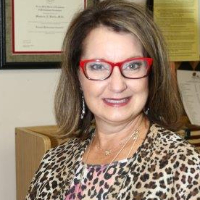
Texas · 4 yrs exp
LPC in Texas - Stress and relationship concerns
Stress, Anxiety · Addictions · Relationship · Family · +3 more
Read profile
North Carolina · 25 yrs exp
LCMHC - Stress and trauma work
Stress, Anxiety · Addictions · Family · Trauma and abuse · +11 more
Read profile
Georgia · 12 yrs exp
LPC in Georgia - stress and trauma focus
Stress, Anxiety · Addictions · Trauma and abuse · Anger · +1 more
Read profile
South Carolina · 13 yrs exp
LISW-CP therapist - family and stress support
Stress, Anxiety · Family · Parenting · Self esteem · +10 more
Read profile
New Mexico · 3 yrs exp
LCSW focused on trauma and anxiety
Stress, Anxiety · Trauma and abuse · Depression · Compassion fatigue · +9 more
Read profile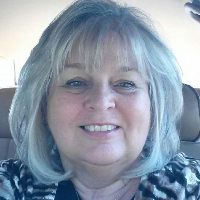
Florida · 16 yrs exp
Florida LMHC - Stress and trauma focus
Stress, Anxiety · Trauma and abuse · Self esteem · Depression · +6 more
Read profile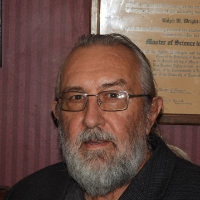
North Carolina · 30 yrs exp
LCSW - stress, trauma, parenting
Stress, Anxiety · Family · Trauma and abuse · Parenting · +7 more
Read profile
Louisiana · 25 yrs exp
Licensed Clinical Social Worker - Stress and Anxiety
Stress, Anxiety · Family · Anger · Self esteem · +1 more
Read profile
Louisiana · 20 yrs exp
Licensed Counselor - Addictions and Trauma
Addictions · Trauma and abuse · Anger · Bipolar · +1 more
Read profile
Michigan · 11 yrs exp
LCSW - stress, anxiety, relationships
Stress, Anxiety · Relationship · Trauma and abuse · Grief · +1 more
Read profile
Louisiana · 15 yrs exp
Licensed Professional Counselor - stress and trauma
Stress, Anxiety · Trauma and abuse · Grief · Self esteem · +1 more
Read profile
California · 39 yrs exp
LMFT - stress and relationship concerns
Stress, Anxiety · Relationship · Grief · Career · +1 more
Read profile
Florida · 11 yrs exp
FL LMHC - Stress and Relationship Concerns
Stress, Anxiety · Relationship · Parenting · Self esteem · +11 more
Read profile
Illinois · 11 yrs exp
Licensed counselor - anxiety and trauma
Stress, Anxiety · Relationship · Family · Trauma and abuse · +1 more
Read profile
North Carolina · 30 yrs exp
Licensed counselor - stress and trauma
Stress, Anxiety · Addictions · LGBT · Trauma and abuse · +1 more
Read profile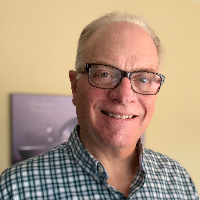
New Jersey · 10 yrs exp
Licensed counselor - relationships and anxiety
Stress, Anxiety · Relationship · Family · Parenting · +4 more
Read profile
Louisiana · 12 yrs exp
LPC in Louisiana - relationship and trauma work
Relationship · Parenting · Anger · Self esteem · +14 more
Read profile
Missouri · 9 yrs exp
LPC in Missouri - stress and trauma focus
Stress, Anxiety · Addictions · Trauma and abuse · Depression · +1 more
Read profile
New York · 13 yrs exp
LCSW in New York - trauma and anxiety focus
Stress, Anxiety · Trauma and abuse · Career · Depression · +8 more
Read profile
Texas · 12 yrs exp
LPC - relationships and trauma
Relationship · Trauma and abuse · Intimacy-related issues · Parenting · +1 more
Read profile
Illinois · 10 yrs exp
Licensed Clinical Social Worker - Stress and Trauma
Stress, Anxiety · Trauma and abuse · Grief · Self esteem · +11 more
Read profile
North Carolina · 20 yrs exp
LCMHC LPC - Stress and Addictions
Stress, Anxiety · Addictions · LGBT · Relationship · +1 more
Read profile
Nevada · 25 yrs exp
LMFT focused on relationships and family concerns
Stress, Anxiety · Relationship · Family · Trauma and abuse · +1 more
Read profile
Florida · 8 yrs exp
Florida LMHC - stress and trauma focus
Stress, Anxiety · Trauma and abuse · Parenting · Self esteem · +11 more
Read profile
Illinois · 30 yrs exp
IL LCPC - Family and trauma
Family · Trauma and abuse · Grief · Depression · +7 more
Read profile
North Carolina · 10 yrs exp
LCSW - stress, trauma, and life changes
Stress, Anxiety · Trauma and abuse · Self esteem · Depression · +1 more
Read profile
Florida · 13 yrs exp
LCSW focusing on trauma and addiction
Stress, Anxiety · Addictions · Relationship · Trauma and abuse · +1 more
Read profile
North Carolina · 20 yrs exp
LCMHC in North Carolina - stress and addictions
Stress, Anxiety · Addictions · Anger · Depression · +7 more
Read profile
Vermont · 34 yrs exp
LICSW - Stress and trauma support
Stress, Anxiety · Trauma and abuse · Self esteem · Depression · +1 more
Read profile
New Jersey · 25 yrs exp
Licensed Professional Counselor - stress and anxiety
Stress, Anxiety · Family · Anger · Self esteem · +1 more
Read profile
Washington · 13 yrs exp
LCSW LICSW - stress and trauma care
Stress, Anxiety · LGBT · Self esteem · Depression · +16 more
Read profile
Idaho · 5 yrs exp
Licensed Professional Counselor - stress and addiction work
Stress, Anxiety · Addictions · Relationship · Depression · +6 more
Read profile
Florida · 13 yrs exp
LCSW - stress and relationship concerns
Stress, Anxiety · Relationship · Trauma and abuse · Self esteem · +4 more
Read profile
New Jersey · 13 yrs exp
LMFT - stress and relationship work
Stress, Anxiety · Relationship · Self esteem · Depression · +8 more
Read profile
Alabama · 9 yrs exp
LPC in Alabama - stress and mood concerns
Stress, Anxiety · Trauma and abuse · Self esteem · Bipolar · +1 more
Read profile
Texas · 36 yrs exp
LMFT in Texas - stress and addictions work
Stress, Anxiety · Addictions · Trauma and abuse · Grief · +14 more
Read profile
California · 25 yrs exp
LMFT in California - Stress and Relationships
Stress, Anxiety · Relationship · Family · Self esteem · +1 more
Read profile
Kentucky · 7 yrs exp
LPCC in Kentucky - stress and relationships
Stress, Anxiety · Relationship · Trauma and abuse · Depression · +9 more
Read profile
Louisiana · 30 yrs exp
LCSW in Louisiana - stress and trauma care
Stress, Anxiety · Family · Trauma and abuse · Self esteem · +16 more
Read profile
New Jersey · 26 yrs exp
LMHC and LPC - stress and relationship concerns
Stress, Anxiety · Relationship · Family · Self esteem · +1 more
Read profile
Florida · 11 yrs exp
LMHC - Stress and trauma support
Stress, Anxiety · Trauma and abuse · Grief · Depression · +8 more
Read profile
Georgia · 12 yrs exp
Licensed Professional Counselor - anxiety and LGBT concerns
LGBT · Relationship · Bipolar · Coping with life changes · +6 more
Read profile
Oklahoma · 3 yrs exp
LPC in Oklahoma - Stress and relationship concerns
Stress, Anxiety · Anger · Depression · Coping with life changes · +7 more
Read profilePost-traumatic stress refers to the range of reactions some people have after experiencing or witnessing a frightening, threatening, or deeply upsetting event. You may notice intrusive memories, flashbacks, upsetting dreams, or sudden reminders that bring you back to the moment of trauma. Those experiences can be accompanied by efforts to avoid places, people, or thoughts that trigger memory of the event, and by heightened reactivity such as being easily startled, feeling tense, or struggling with sleep.
The condition can influence how you relate to others, how you perform at work or school, and how you make sense of yourself and the world. You might find that emotions feel intensified or blunted, that trust is harder to establish, or that everyday tasks take more energy than before. People respond to trauma in different ways; for some the reactions lessen over time, while for others the distress persists and interferes with daily life. Therapy can offer ways to reduce the burden of symptoms, improve coping, and support rebuilding a sense of safety and control.
If you are struggling with intrusive thoughts, nightmares, or sudden re-experiencing of a past event that disrupts your life, speaking with a therapist can be helpful. You may find yourself avoiding reminders of what happened, withdrawing from friends or activities you previously enjoyed, or feeling emotionally numb and disconnected. Persistent difficulty sleeping, concentration problems, irritability, or heightened startle responses are also common signs that professional support could make a difference.
Therapy can be considered if symptoms make it harder to keep up with responsibilities, harm your relationships, or lead to unhealthy coping patterns such as substance use or risky behavior. You might also seek help when you notice changes in your identity, worldview, or ability to feel safe in everyday situations. Reaching out for help does not mean you are weak; it means you are taking steps to address the effects of what you have experienced and to rebuild routines, relationships, and a sense of well-being.
When you begin therapy for post-traumatic stress, the first sessions often involve a careful conversation about your history, current concerns, and goals. Your therapist is likely to ask about the nature of the traumatic event or events, how symptoms show up for you, your support network, and any medical or medication factors that might be relevant. Together you will typically develop a plan that balances immediate coping strategies with longer-term work on processing trauma.
Early sessions often focus on building skills to help you regulate emotions and manage distress between meetings. Techniques might include grounding exercises, breathing strategies, and ways to challenge unhelpful thoughts. As you feel more prepared, sessions may shift toward processing traumatic memories or reorganizing the meaning of the event so it has less disruptive power in your daily life. The pace is usually collaborative - you and your therapist agree on how much memory processing or exposure feels safe and doable. Therapy can also address practical areas affected by trauma, such as sleep routines, relationships, and work functioning, so progress feels relevant to your everyday life.
Therapists draw on a range of approaches when working with post-traumatic stress. You will find clinicians who list cognitive-behavioral therapy, prolonged exposure, or cognitive processing among their approaches; these methods often focus on changing patterns of thought and gradually facing reminders in ways that reduce fear. Other therapists list EMDR among their approaches and may use bilateral stimulation as part of a structured method for processing traumatic memories. Narrative approaches invite you to tell and reshape the story of what happened in a way that supports healing and integration.
Somatic and body-centered methods are also common for people whose symptoms show up strongly in bodily sensation. Therapists who list somatic experiencing or sensorimotor psychotherapy among their approaches work with breath, posture, and movement to help your nervous system settle. Mindfulness-based approaches and acceptance-oriented therapies can teach new ways to relate to distressing memories and feelings without becoming overwhelmed. Some clinicians incorporate elements of multiple approaches to match your needs, focusing on stabilizing skills before moving into deeper trauma work. Because clinicians describe their methods differently, it can be useful to read profiles and ask about how a particular approach would be used in your case.
Online therapy can be an accessible option when in-person sessions are difficult due to distance, mobility, schedule, or other constraints. Most online options use video sessions that simulate face-to-face meetings, while some therapists also offer phone sessions or text-based messaging as supplemental support. When you choose online care, it is important to create a quiet, comfortable environment where you can focus and feel able to pause or step away if emotions become intense.
Because trauma work can sometimes stir strong reactions, therapists who work online often discuss safety planning and local resources at the start of the relationship. That may include agreeing on how to handle moments of overwhelm, who to contact locally in an emergency, and how to reach supportive people near you. Technology issues such as connectivity or audio problems can interrupt sessions, so having a backup plan - for example switching to phone - helps maintain continuity. Online therapy often makes it easier to match with clinicians who speak your language or who have experience with specific cultural backgrounds, since geography is less of a constraint.
Selecting a therapist is a personal process. Start by clarifying what matters most to you - whether it is a focus on particular types of trauma, a therapist who shares your cultural background, or someone who uses certain approaches such as cognitive-behavioral methods or somatic work. Read clinician profiles to learn how they describe their focus areas, credentials, and the populations they serve. Pay attention to whether they mention experience with issues similar to yours and whether they describe a therapeutic stance - such as collaborative, strengths-based, or skill-focused - that feels like a match.
It is reasonable to ask a prospective therapist about how they typically structure sessions for trauma work, how they balance coping skills with memory processing, and what a typical course of therapy might look like. Discuss logistical factors like session length, fees, and insurance policies so you can plan accordingly. Trust your sense of rapport - feeling heard and respected in the first conversations is often a good indicator of fit. If a therapist's profile mentions languages they speak, clinical specializations, or experience with specific communities, that information can help you find someone whose background aligns with your needs. You do not need to have all the answers on the first session; choosing a therapist is a step-by-step process and you can reassess as you learn more about how you respond to treatment.
Working with a therapist on post-traumatic stress is a collaborative journey aimed at reducing the impact of past events on your present life and expanding your capacity for coping, connection, and meaning. Use the listings on this page to explore profiles, learn about different approaches, and identify clinicians whose focus areas and experience resonate with what you are looking for.
Alabama
197 therapists
Alaska
21 therapists
Arizona
128 therapists
Arkansas
96 therapists
Australia
305 therapists
California
1286 therapists
Colorado
239 therapists
Connecticut
136 therapists
Delaware
37 therapists
District of Columbia
36 therapists
Florida
1219 therapists
Georgia
346 therapists
Hawaii
45 therapists
Idaho
66 therapists
Illinois
438 therapists
Indiana
196 therapists
Iowa
42 therapists
Kansas
79 therapists
Kentucky
162 therapists
Louisiana
238 therapists
Maine
45 therapists
Maryland
275 therapists
Massachusetts
182 therapists
Michigan
401 therapists
Minnesota
147 therapists
Mississippi
129 therapists
Missouri
219 therapists
Montana
61 therapists
Nebraska
49 therapists
Nevada
64 therapists
New Hampshire
27 therapists
New Jersey
271 therapists
New Mexico
54 therapists
New York
750 therapists
North Carolina
438 therapists
North Dakota
12 therapists
Ohio
290 therapists
Oklahoma
196 therapists
Oregon
72 therapists
Pennsylvania
442 therapists
Rhode Island
25 therapists
South Carolina
218 therapists
South Dakota
22 therapists
Tennessee
203 therapists
Texas
1362 therapists
United Kingdom
1927 therapists
Utah
75 therapists
Vermont
25 therapists
Virginia
264 therapists
Washington
150 therapists
West Virginia
35 therapists
Wisconsin
146 therapists
Wyoming
21 therapists