
Audrey Kelly
LMFTOklahoma · 21 yrs exp
LMFT focused on relationships and life transitions
Stress, Anxiety · Relationship · Family · Self esteem · +8 more
Read profileTherapist listings are provided by BetterHelp. We will earn a commission at no additional cost to you if you use our links to purchase.
This page lists therapists who work with veterans and military-connected individuals, addressing trauma, transition, relationships, and related concerns. Use the listings below to review profiles and compare approaches, credentials, languages, and focus areas. Browse to find clinicians whose experience aligns with your needs.
Oklahoma · 21 yrs exp
LMFT focused on relationships and life transitions
Stress, Anxiety · Relationship · Family · Self esteem · +8 more
Read profile
Illinois · 19 yrs exp
IL Psychologist - Anxiety and Trauma
Stress, Anxiety · LGBT · Relationship · Trauma and abuse · +9 more
Read profile
California · 14 yrs exp
LCSW - stress, trauma, and life changes
Stress, Anxiety · Trauma and abuse · Grief · Self esteem · +8 more
Read profile
South Carolina · 10 yrs exp
LISW-CP focusing on trauma and relationships
Stress, Anxiety · Relationship · Family · Trauma and abuse · +1 more
Read profile
South Carolina · 13 yrs exp
LISW-CP therapist - family and stress support
Stress, Anxiety · Family · Parenting · Self esteem · +10 more
Read profile
New Mexico · 3 yrs exp
LCSW focused on trauma and anxiety
Stress, Anxiety · Trauma and abuse · Depression · Compassion fatigue · +9 more
Read profile
North Carolina · 16 yrs exp
Licensed clinical social worker - stress and addiction care
Stress, Anxiety · Addictions · Trauma and abuse · Anger · +13 more
Read profile
California · 39 yrs exp
LMFT - stress and relationship concerns
Stress, Anxiety · Relationship · Grief · Career · +1 more
Read profile
North Carolina · 30 yrs exp
Licensed counselor - stress and trauma
Stress, Anxiety · Addictions · LGBT · Trauma and abuse · +1 more
Read profile
Michigan · 6 yrs exp
LMSW - stress, anxiety, grief support
Stress, Anxiety · Grief · Self esteem · Depression · +3 more
Read profile
Ohio · 25 yrs exp
Ohio LISW - Relationship and Trauma focus
Relationship · Trauma and abuse · Intimacy-related issues · Self esteem · +4 more
Read profile
Virginia · 20 yrs exp
VA Psychologist - trauma and stress focus
Read profile
Florida · 13 yrs exp
LCSW focusing on trauma and addiction
Stress, Anxiety · Addictions · Relationship · Trauma and abuse · +1 more
Read profile
North Carolina · 20 yrs exp
LCMHC in North Carolina - stress and addictions
Stress, Anxiety · Addictions · Anger · Depression · +7 more
Read profile
Vermont · 34 yrs exp
LICSW - Stress and trauma support
Stress, Anxiety · Trauma and abuse · Self esteem · Depression · +1 more
Read profile
Florida · 20 yrs exp
LMHC in Florida - stress and addiction support
Stress, Anxiety · Addictions · Relationship · Intimacy-related issues · +14 more
Read profile
North Carolina · 25 yrs exp
Licensed clinical mental health counselor - Stress and relationships
Stress, Anxiety · Relationship · Depression · Coping with life changes · +1 more
Read profile
New Jersey · 26 yrs exp
LMHC and LPC - stress and relationship concerns
Stress, Anxiety · Relationship · Family · Self esteem · +1 more
Read profile
South Carolina · 26 yrs exp
Licensed counselor - self esteem and career
Self esteem · Career · Coping with life changes · Coaching · +7 more
Read profile
Texas · 8 yrs exp
Licensed Professional Counselor - trauma and mood concerns
Stress, Anxiety · Relationship · Trauma and abuse · Bipolar · +1 more
Read profile
Minnesota · 3 yrs exp
LICSW, LCSW - Stress and addiction support
Stress, Anxiety · Addictions · Trauma and abuse · Bipolar · +5 more
Read profile
Illinois · 15 yrs exp
LCPC LPC focused on stress and relationships
Stress, Anxiety · Relationship · Family · Trauma and abuse · +1 more
Read profile
Pennsylvania · 25 yrs exp
Licensed Professional Counselor - Addictions and Relationships
Addictions · Relationship · Family · Anger · +1 more
Read profile
Arkansas · 30 yrs exp
LPC counselor - anxiety and addiction focus
Stress, Anxiety · Addictions · Grief · Self esteem · +1 more
Read profile
Texas · 20 yrs exp
Licensed Professional Counselor - Stress and Anxiety
Stress, Anxiety · Addictions · Relationship · Anger · +14 more
Read profile
Texas · 12 yrs exp
Licensed counselor - stress and trauma
Stress, Anxiety · Trauma and abuse · Anger · Depression · +9 more
Read profile
Texas · 3 yrs exp
Licensed Professional Counselor - stress and relationships
Stress, Anxiety · Trauma and abuse · Anger · Self esteem · +7 more
Read profile
Michigan · 38 yrs exp
LMSW - Stress and Addictions
Stress, Anxiety · Addictions · Family · Trauma and abuse · +16 more
Read profile
Oklahoma · 22 yrs exp
LMFT - Couples and family concerns
Stress, Anxiety · Relationship · Family · Addictions · +12 more
Read profile
Louisiana · 10 yrs exp
Licensed Professional Counselor - stress and trauma
Stress, Anxiety · Addictions · Trauma and abuse · Self esteem · +1 more
Read profile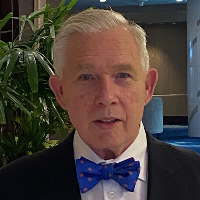
Florida · 40 yrs exp
LCSW - stress, trauma and LGBT focus
Stress, Anxiety · Addictions · LGBT · Relationship · +3 more
Read profile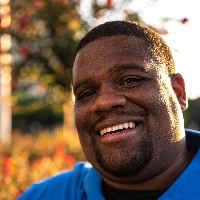
Texas · 3 yrs exp
Licensed Professional Counselor - Relationships and Trauma
Stress, Anxiety · Relationship · Family · Trauma and abuse · +13 more
Read profile
Michigan · 40 yrs exp
LMFT and LMSW - Stress and Relationships
Stress, Anxiety · Relationship · Family · Grief · +1 more
Read profile
North Dakota · 3 yrs exp
LCSW - relationships and parenting
Relationship · Parenting · Anger · Family
Read profile
California · 12 yrs exp
LCSW - stress and relationship concerns
Stress, Anxiety · Relationship · Grief · Depression · +13 more
Read profile
United Kingdom · 13 yrs exp
BACP NCPS counsellor - stress and trauma
Stress, Anxiety · LGBT · Trauma and abuse · Grief · +1 more
Read profile
Florida · 11 yrs exp
LMHC in Florida - addictions and anxiety focus
Stress, Anxiety · Addictions · Depression · LGBT · +11 more
Read profile
Florida · 16 yrs exp
LCSW - Stress and Relationship Concerns
Stress, Anxiety · Relationship · Anger · Depression · +1 more
Read profile
Oklahoma · 21 yrs exp
Licensed Professional Counselor - stress and anxiety
Stress, Anxiety · Addictions · Grief · Self esteem · +10 more
Read profile
United Kingdom · 4 yrs exp
Counsellor - anxiety and stress support
Stress, Anxiety · Sleeping · Self esteem · Career · +14 more
Read profile
South Dakota · 12 yrs exp
Licensed clinical social worker - addiction and trauma
Addictions · Trauma and abuse · Anger · Depression · +8 more
Read profile
United Kingdom · 28 yrs exp
BACP counsellor - grief and stress
Stress, Anxiety · Grief · Depression · Coping with life changes · +11 more
Read profile
Florida · 10 yrs exp
LMHC in Florida - stress and trauma focus
Stress, Anxiety · Trauma and abuse · Grief · Depression · +8 more
Read profile
United Kingdom · 8 yrs exp
BACP counsellor - relationships and trauma
Relationship · Trauma and abuse · Grief · Self esteem · +13 more
Read profile
United Kingdom · 14 yrs exp
BACP member counsellor - addictions and recovery
Addictions · Self esteem · Career · Coping with life changes · +12 more
Read profile
United Kingdom · 11 yrs exp
Counsellor - LGBT and trauma support
LGBT · Trauma and abuse · Grief · Depression · +6 more
Read profile
Louisiana · 30 yrs exp
LPC in Louisiana - anxiety and ADHD focus
Stress, Anxiety · Career · Depression · Coping with life changes · +7 more
Read profile
Idaho · 3 yrs exp
LPC in Idaho - stress and trauma focus
Stress, Anxiety · LGBT · Trauma and abuse · Parenting · +11 more
Read profile
Florida · 30 yrs exp
LCSW - stress and addiction focus
Stress, Anxiety · Addictions · Trauma and abuse · Grief · +6 more
Read profile
United Kingdom · 5 yrs exp
Counsellor - stress and anxiety support
Stress, Anxiety · Self esteem · Career · Depression · +1 more
Read profile
Georgia · 10 yrs exp
Licensed counselor - stress and relationships
Stress, Anxiety · Relationship · Anger · Self esteem · +1 more
Read profile
New Jersey · 20 yrs exp
LCSW - relationships and trauma
Relationship · Trauma and abuse · Intimacy-related issues · Self esteem · +6 more
Read profile
United Kingdom · 7 yrs exp
Counsellor - stress and trauma
Stress, Anxiety · Trauma and abuse · Self esteem · Depression · +8 more
Read profile
Florida · 13 yrs exp
LMHC - Stress and relationship concerns
Stress, Anxiety · Relationship · Self esteem · Depression · +1 more
Read profile
Florida · 8 yrs exp
LMHC - Stress and relationship concerns
Stress, Anxiety · Relationship · Trauma and abuse · Parenting · +10 more
Read profile
New Jersey · 25 yrs exp
LCSW - relationships and trauma
Relationship · Trauma and abuse · Self esteem · Depression · +1 more
Read profile
Connecticut · 32 yrs exp
Licensed Professional Counselor - Stress and Anxiety
Stress, Anxiety · Relationship · Self esteem · Coping with life changes · +9 more
Read profile
Alabama · 40 yrs exp
LMFT - stress and relationship concerns
Stress, Anxiety · Addictions · Grief · Parenting · +6 more
Read profile
Pennsylvania · 20 yrs exp
Licensed Professional Counselor - Addictions and Trauma
Addictions · Relationship · Trauma and abuse · Anger · +10 more
Read profile
North Carolina · 17 yrs exp
LCMHC - Family and trauma focused
Family · Trauma and abuse · Depression · Stress, Anxiety · +11 more
Read profileThe term veterans refers to people who have served in the armed forces and to those whose lives are shaped by military service. Your experiences in uniform may include intense training, frequent moves, separation from family, exposure to combat or operational stressors, and adjustments to civilian life afterward. These experiences can influence mental health, physical well-being, relationships, and day-to-day functioning in ways that vary widely from person to person. Some people who served find themselves navigating grief from loss, moral injury from actions or events that conflict with personal values, or ongoing hypervigilance and sleep disruption. Others describe feeling disconnected from civilian peers or struggling with identity and purpose after leaving service.
You should know that having strong reactions to military experiences does not mean you are weak or that you are stuck. People who have served bring resilience as well as unique stressors. Therapy that focuses on veterans' concerns aims to honor the complexity of service-related life while helping you address symptoms, rebuild routines, restore relationships, and identify meaningful goals. The work often blends attention to practical transition issues with emotional processing, coping skills, and strategies to manage day-to-day stresses.
You might consider seeking a therapist if you notice persistent changes that interfere with the life you want to live. These signs often include trouble sleeping, recurrent intrusive memories, or frequent irritability and anger that feel out of proportion to current events. You may notice avoidance - steering clear of people, places, or conversations that remind you of stressful experiences - or find that your relationships are strained by distance, distrust, or communication problems. Difficulty trusting others, feeling detached from loved ones, or experiencing a sense of loss about your role and identity are common reasons veterans reach out for support.
Other indicators include chronic anxiety about personal safety, heightened startle response, or persistent low mood that affects motivation and enjoyment of activities. You may also be managing substance use as a way to cope, or you may face practical challenges tied to reintegration like employment stress or navigating benefits and community resources. If you are wondering whether therapy could help, a professional familiar with veterans' issues can help you identify which concerns are most pressing and outline steps you can take to feel more stable and purposeful.
In early sessions you can expect time spent on understanding your history, service background, current symptoms, strengths, and goals. A therapist will typically ask about what brought you in, how your symptoms affect daily life, and which areas you want to prioritize. This assessment establishes a working plan and helps match specific approaches to your needs. You should feel free to describe your priorities, whether those involve managing traumatic memories, rebuilding relationships, addressing sleep difficulties, or handling transitions like retirement or active-to-civilian life changes.
Therapy often combines emotional processing with skills training and practical problem solving. Sessions may include learning grounding strategies to manage intense emotions, practicing communication patterns that improve relationships, or developing routines that support sleep and mood. When trauma-related memories are part of the picture, some therapists focus first on stabilizing symptoms and teaching coping tools before engaging in in-depth processing. You and your therapist will typically collaborate on pacing so that therapy moves at a rate that feels tolerable and productive. Progress is rarely linear, and many people notice gradual shifts in how they respond to triggers and how they relate to others.
Therapists working with veterans draw on a wide range of approaches. You will find clinicians who emphasize cognitive-behavioral methods that help you identify and change thought patterns that maintain distress. There are therapists who list exposure-based methods among their approaches, which aim to reduce avoidance and fear responses through structured, therapeutic contact with reminders in a controlled way. You may also encounter clinicians who list narrative or meaning-focused approaches that help you make sense of service experiences and the role they play in your identity.
Some therapists list mindfulness and acceptance-based strategies to help with emotional awareness and tolerance, while others include somatic or body-focused approaches intended to address how stress shows up physically. There are therapists who list EMDR among their approaches, and those who list interpersonal or family therapy techniques to address relational patterns strained by military life. When reviewing profiles, you can look for the language therapists use to describe their approaches and think about which frameworks resonate with how you prefer to work on change.
Online therapy offers a flexible way to connect with clinicians who list expertise in veterans' issues, especially if you live far from specialized in-person services or prefer meeting from home. Sessions typically occur via video, phone, or messaging formats. You can expect to use a stable internet connection and a device with audio and video when choosing video sessions. Many people appreciate that online therapy reduces travel time and can make scheduling easier when you have work, caregiving, or medical appointments to manage.
Therapy delivered remotely follows many of the same clinical principles as in-person care - establishing rapport, assessing needs, practicing skills, and reviewing progress. Some techniques, such as exposure work or certain body-focused exercises, are adapted to the remote format so they can be practiced safely with your therapist's guidance. If you are using online therapy while traveling or relocating, it is helpful to discuss geographic and licensing considerations with a therapist, since rules about where a clinician can practice vary. A thoughtful online clinician will explain how they manage boundaries, responding between sessions, and emergency planning without making promises about guaranteed response times.
Start by thinking about the specific issues most important to you - trauma processing, reintegration, relationships, grief, or substance concerns - and look for therapists who list those focus areas. Language matters: finding someone who shares your cultural references, military familiarity, or speaks your primary language can make it easier to describe dense experiences and feel understood. Profiles often include information about the populations a clinician works with, which can help you narrow options.
Read how therapists describe their approaches and clinical philosophy. Because a profile entry may list several modalities, pay attention to whether the therapist emphasizes skill-building, narrative work, or processing of traumatic events. Credentials and years in practice can inform but do not determine fit - what matters more is whether the clinician's approach and tone match what you want from therapy. If you have preferences about session structure, such as a skills-focused plan versus open-ended discussion, look for wording that signals how sessions are typically organized.
When you decide to reach out, prepare a brief message describing your main concerns and what you hope to achieve. This helps the clinician determine whether their work aligns with your needs and what they typically offer. Expect to have a short initial conversation or intake to discuss logistics, approach, and how they work with veterans. If something does not feel right after a few sessions, it is okay to explore other clinicians until you find a style and rapport that fit. Working with a therapist who understands the contours of military life can make the process more relevant and efficient, but the core of helpful therapy is a collaborative relationship where you feel heard and supported in the work you want to do.
Across all these considerations, trust your judgment about what feels respectful and useful. Therapy for veterans is a pathway that many people use to rebuild routine, connection, and meaning after service. Whether you choose in-person or online care, a therapist who communicates clearly about their approach and listens to your goals can help you take practical steps toward the life you want to lead.
Alabama
197 therapists
Alaska
21 therapists
Arizona
128 therapists
Arkansas
96 therapists
Australia
305 therapists
California
1286 therapists
Colorado
239 therapists
Connecticut
136 therapists
Delaware
37 therapists
District of Columbia
36 therapists
Florida
1219 therapists
Georgia
346 therapists
Hawaii
45 therapists
Idaho
66 therapists
Illinois
438 therapists
Indiana
196 therapists
Iowa
42 therapists
Kansas
79 therapists
Kentucky
162 therapists
Louisiana
238 therapists
Maine
45 therapists
Maryland
275 therapists
Massachusetts
182 therapists
Michigan
401 therapists
Minnesota
147 therapists
Mississippi
129 therapists
Missouri
219 therapists
Montana
61 therapists
Nebraska
49 therapists
Nevada
64 therapists
New Hampshire
27 therapists
New Jersey
271 therapists
New Mexico
54 therapists
New York
750 therapists
North Carolina
438 therapists
North Dakota
12 therapists
Ohio
290 therapists
Oklahoma
196 therapists
Oregon
72 therapists
Pennsylvania
442 therapists
Rhode Island
25 therapists
South Carolina
218 therapists
South Dakota
22 therapists
Tennessee
203 therapists
Texas
1362 therapists
United Kingdom
1927 therapists
Utah
75 therapists
Vermont
25 therapists
Virginia
264 therapists
Washington
150 therapists
West Virginia
35 therapists
Wisconsin
146 therapists
Wyoming
21 therapists