Sheet 1
- Addictions
- Post-traumatic stress
- Cognitive behavioral tools
About Sean
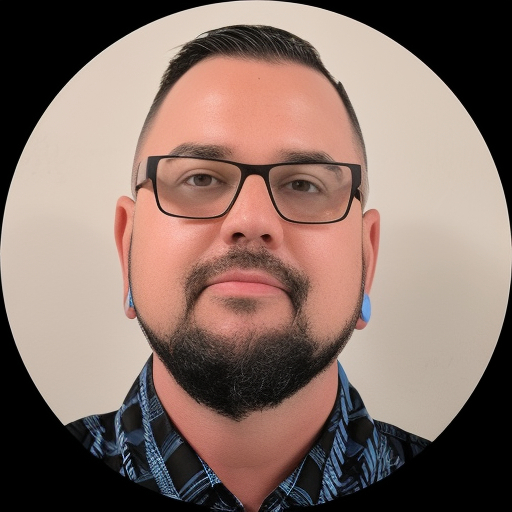
Licensed clinical social worker (CSW-PIP) in South Dakota with 12 years of experience helping people address addiction, trauma, anxiety, depression, and related concerns. Sean Kasper uses direct, practical methods to help people name problems and make changes. He draws on multiple approaches to match each person's needs and goals.
Sean earned a Master of Social Work from the University of South Florida and has provided direct patient care since 2014. He served nine years on active duty in the U.S. Army, and that experience informs his interest in co-occurring mental health and substance use issues. He has worked in programs focused on post-traumatic stress, addiction, and suicide prevention.
In sessions he helps people understand how beliefs affect feelings and behavior. He is straightforward and will challenge unhelpful thinking when needed. He also assigns readings and reflections aimed at clarifying life purpose and values.
Sean adapts his methods to what each person needs. He uses Client-Centered techniques, cognitive behavioral tools, mindfulness, motivational interviewing, and narrative methods as appropriate. Treatment is collaborative - goals are set together and adjusted over time.
Practical change, clearer thinking, and better day-to-day coping are typical focuses. He works with adults on concerns like anger, sleep problems, communication issues, process and substance addictions, obsessive thoughts, panic, shame, and career questions. Sessions emphasize concrete steps and regular review of progress.
Sheet 2
How his approaches translate to online work
Client-Centered Therapy asks about what matters most to the person and follows their lead; online sessions can focus on immediate concerns and personal priorities. Cognitive Behavioral Therapy (CBT) breaks problems into thoughts, feelings, and actions and uses exercises and homework to change patterns; this can suit anxiety, depression, and panic symptoms. Mindfulness Therapy teaches simple attention and breathing practices to reduce reactivity and improve sleep and stress management.Finding the right approach is a collaborative process. He will work with each person to choose and adjust methods based on goals, preferences, and how well techniques are helping. That decision is revisited regularly so the plan stays relevant.
The practical benefits of online work often include fitting sessions into a weekday break, cutting travel time, and keeping consistent weekly check-ins. The biography does not specify session formats, so confirm current session options before booking. Online options can make it easier to maintain steady therapeutic work while juggling day-to-day responsibilities.
Sheet 3
Areas of expertise
Primary focus
Also works with
Additional focus areas
Therapeutic approaches
Experience
12+ years
Listed in
South Dakota
Languages
English
Sheet 4
Frequently asked questions
What concerns does he address?
He works with addictions, trauma and abuse, anger, depression, anxiety, sleep problems, self-esteem, and related issues listed in his specialties.
What therapeutic style does he use?
He takes a direct, practical approach and adapts methods to the client. He uses client-centered work, CBT, mindfulness, motivational interviewing, and narrative techniques as appropriate.
How long has he been practicing?
He has provided direct patient care since 2014, for a total of 12 years of experience.
What credential does he hold and where is he based?
He holds the CSW-PIP credential listed as SD CSW-PIP and is located in South Dakota.
Which languages are supported?
Sessions are offered in English.
Can people outside the US work with him?
He does not accept international clients at this time.
How are sessions paid for?
Cost varies by location and sessions use a subscription model that can be canceled at any time.
How do I begin a first session?
Start by selecting the See online therapy options button, completing a short matching questionnaire, and scheduling a first session.
Online talk therapy is not emergency care. If you are in danger, use the urgent help numbers.