Sheet 1
- ACT and CBT
- DBT skills
- Communication work
About John
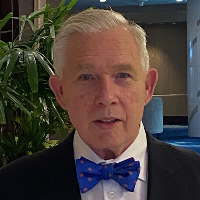
John Jamieson is a Licensed Clinical Social Worker (LCSW) in Florida with 40 years of practice. He focuses on stress, anxiety, addictions, relationship issues, trauma and abuse, grief, eating concerns, and LGBT-related matters.
He uses Acceptance and Commitment Therapy, Client-Centered Therapy, Cognitive Behavioral Therapy, Dialectical Behavior Therapy, and Existential Therapy to guide his work. Sessions emphasize practical skills, moment-to-moment coping, and talking through relationship and identity concerns. He draws on long experience with people who have faced discrimination, military-related issues, and gender dysphoria.
John pays close attention to communication problems, forgiveness, guilt and shame, and questions about life purpose. He also addresses HIV / AIDS related stress, infidelity, polyamory and non-monogamous relationship concerns, and post-traumatic stress. He helps people sort through these matters with direct conversation and useful behavioral strategies.
His background includes decades of clinical practice across a wide range of settings. That history informs how he balances practical coping tools with conversations about values and meaning. He listens for what matters most to each person and then works with them to try concrete steps that fit their life.
People who contact him should expect straightforward clinical work focused on skills, values, and problem-solving. Prior experience with veterans and with people facing prejudice shapes his approach to complex social and identity issues.
Sheet 2
How his approaches translate to online sessions
Acceptance and Commitment Therapy (ACT) focuses on clarifying values and taking committed action. Online sessions using ACT typically involve identifying what matters to a person and practicing small behavior changes to align life with those values. Cognitive Behavioral Therapy (CBT) breaks problems into thoughts, feelings, and behaviors and uses specific exercises to change unhelpful patterns. In remote work this often means setting homework and tracking brief experiments between meetings.Finding the right therapeutic approach is part of the work. The therapist will collaborate with each person to decide which methods fit their goals, preferences, and everyday constraints. He adjusts the mix of skills training, values work, and thought-focused exercises based on what is proving useful.
The therapist's biography does not list specific session formats, so confirm the available formats before booking. Many people choose remote sessions because they fit around work, caregiving, or travel. Remote sessions can make it easier to schedule shorter check-ins, avoid commuting, or use video only when helpful. Ask about session length and any technical requirements when you set up the first appointment.
Sheet 3
Areas of expertise
Primary focus
Also works with
Additional focus areas
Therapeutic approaches
Experience
40+ years
Listed in
Florida
Languages
English
Sheet 4
Frequently asked questions
What concerns does he address?
He works with stress, anxiety, addictions, relationship issues, trauma and abuse, grief, eating concerns, and LGBT-related matters. Additional focus areas include communication problems, guilt and shame, and questions about life purpose.
What therapeutic approaches does he use?
He practices Acceptance and Commitment Therapy (ACT), Client-Centered Therapy, Cognitive Behavioral Therapy (CBT), Dialectical Behavior Therapy (DBT), and Existential Therapy. These approaches are combined to match the client's needs and goals.
How much clinical experience does he have?
He has 40 years of experience in clinical practice. That long tenure includes work with veterans and people facing discrimination and identity concerns.
What are his credentials and location?
He is an LCSW licensed in Florida. His practice is based in Florida.
Which languages are supported?
Sessions are offered in English. International clients are not currently accepted.
What session formats are available?
The original biography does not list specific session formats. Confirm current session options with the platform before booking a first appointment.
How does payment and cost work?
Cost varies with location, and sessions use a subscription that can be canceled at any time. Exact fees depend on the chosen service and locale.
How do I begin working with him?
Begin by selecting the See online therapy options button, completing a short matching questionnaire, and scheduling a first session. That process connects you to the next steps.
Online talk therapy is not emergency care. If you are in danger, use the urgent help numbers.