Sheet 1
- Client-Centered Therapy
- Emotionally-Focused Therapy
- Mindfulness practice
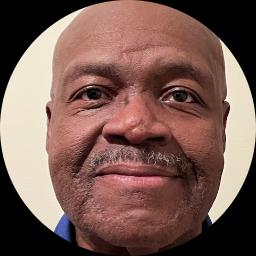
About James
Licensed Clinical Mental Health Counselor (LCMHC) in North Carolina with 19 years of experience, Dr. James Hunter Jr helps people facing stress, anxiety, depression, relationship and family concerns, trauma and abuse, grief, parenting challenges, self-esteem, career questions, and life changes. He also works with issues such as ADHD, compassion fatigue, and a range of mood and attachment concerns. Sessions are conducted in English and international clients are accepted.
Dr. Hunter draws on Client-Centered Therapy and Emotionally-Focused Therapy alongside Mindfulness, Motivational Interviewing, Solution-Focused approaches, and trauma-informed work. He focuses on building a working relationship and using practical strategies to address immediate problems. That can mean learning new ways to manage stress, practicing emotional awareness in relationships, or setting small goals to change daily habits.
He began his career in a group home for emotionally disturbed youth and later worked as a school counselor and district-level director of counseling services. Those roles shaped his skills in clinical care, program development, and helping people navigate family and school systems. He names decades of varied experience as the basis for his approach.
In sessions he favors direct, clear conversation. He listens, reflects what he hears, and helps clients try concrete steps between meetings. Work often includes mindfulness exercises, focused conversations about emotions, and short-term goal setting.
To start with Dr. Hunter, prospective clients use a subscription model for sessions that can be canceled at any time. Costs vary with location. The first step is to complete the short matching questionnaire and schedule a first session using the see online therapy options button.
Sheet 2
How his approaches translate to remote sessions
Client-Centered Therapy centers the person's perspective and values. In practice this means sessions focus on what matters to the client, with the therapist reflecting concerns and helping people set their own goals. This approach helps when someone needs support with big decisions, relationship strain, or self-esteem work.Emotionally-Focused Therapy (EFT) helps people identify and name core emotions and interaction patterns. In sessions the therapist guides conversations that clarify feelings and teach new ways to respond in relationships. EFT can be useful for improving communication and reducing repeated conflict patterns.
Mindfulness Therapy introduces simple attention and breathing practices to reduce stress and increase emotional awareness. These exercises are short and can be assigned as between-session practice to build daily coping skills.
Finding the right approach is a collaborative process. The therapist will discuss goals and preferences, try methods that match immediate needs, and adjust the plan over time based on what works. Clients are invited to give feedback so sessions stay practical and relevant.
Session formats are not listed in the biography, so confirm current options before booking. Many people choose remote sessions to fit therapy into work or family schedules, to avoid travel, or to have shorter check-ins when time is limited. Online work can make it easier to practice skills between meetings and carry gains into everyday life.
Sheet 3
Areas of expertise
Primary focus
Also works with
Additional focus areas
Therapeutic approaches
Experience
19+ years
Listed in
North Carolina
Languages
English
Sheet 4
Frequently asked questions
What concerns does he help with?
He works with stress, anxiety, depression, relationship and family issues, trauma and abuse, grief, parenting concerns, self-esteem, career questions, ADHD, and related mood and attachment topics.
What therapeutic approaches does he use?
He uses Client-Centered Therapy, Emotionally-Focused Therapy (EFT), Mindfulness Therapy, Motivational Interviewing, Solution-Focused Therapy, and trauma-informed methods to guide sessions.
How much experience does he have?
He has 19 years of experience as a Licensed Clinical Mental Health Counselor in North Carolina and earlier work in schools and group care influenced his clinical practice.
What credential does he hold and where is he based?
He is an LCMHC credentialed counselor licensed in North Carolina.
Which languages are supported?
Sessions are offered in English and international clients are accepted.
What session formats are offered?
The biography does not specify session formats; please confirm current session options before booking.
How are sessions priced?
Cost varies by location and sessions use a subscription model that can be canceled at any time.
How do I begin working with him?
Start by selecting the see online therapy options button, complete the short matching questionnaire, and schedule your first session.
Online talk therapy is not emergency care. If you are in danger, use the urgent help numbers.