Sheet 1
- Client-centred base
- CBT techniques
- Attachment focus
About Dawn
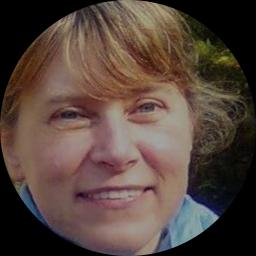
Dawn Brearley is an NCPS counsellor in the United Kingdom with seven years of practice. She works with individuals and couples, and her main areas include stress, anxiety, depression, relationship problems, grief and life transitions.
Dawn uses a client-centred approach as her base. She adds cognitive behavioural techniques, mindfulness, and attachment-focused ideas when they suit the situation. She also draws on existential perspectives to help people think about meaning and choices during transitions.
In sessions she helps people talk through relationship patterns, communication problems, and attachment concerns. She also supports people facing bereavement, career changes, caregiver strain, and life stages such as ageing and end-of-life matters. Practical steps and reflective conversation are combined depending on the aim of therapy.
Dawn works with issues linked to family of origin, commitment and separation, feelings of emptiness, guilt and shame, and problems with control or anger. She also offers help around addictions, intimacy-related concerns, and compassion fatigue for people in caring roles.
Her style is collaborative and grounded in listening. She helps clients identify helpful changes and small actions to try between sessions. People can expect straightforward discussion of thoughts, feelings and relationship patterns, with evidence-informed strategies when appropriate.
Sheet 2
Approaches used in online sessions and what they do
Dawn commonly draws on attachment-based ideas to look at how early and current relationship patterns affect feelings and behaviour; this helps when people want to shift recurring relationship or intimacy problems. She also uses client-centred work which focuses on listening and reflecting back a person’s experience to help them understand their own priorities and choices. Cognitive behavioural techniques are used to identify and change unhelpful thoughts and small behaviours that maintain anxiety or low mood.Deciding which approach to use is part of the process. The therapist will work collaboratively to identify goals and try methods that suit the client’s needs and preferences. Sessions often blend listening, practical exercises and reflection so the approach can be adjusted over time.
The biography does not list specific session formats, so confirm the available options before booking. Many people find online sessions help them fit therapy into work or family schedules, reduce travel time and allow quicker check-ins when needed. Shorter or phone-based check-ins can be useful when attention or bandwidth is limited, while longer video conversations can allow more in-depth work and use of visual material.
Sheet 3
Areas of expertise
Primary focus
Also works with
Additional focus areas
Therapeutic approaches
Experience
7+ years
Listed in
United Kingdom
Languages
English
Sheet 4
Frequently asked questions
What issues does she work with?
She works with stress, anxiety, depression, relationship issues, grief and life transitions, plus related concerns such as addiction, anger and caregiver stress.
What is her therapeutic style?
She uses a client-centred base and integrates cognitive behavioural techniques, mindfulness and existential ideas to suit each person's needs.
How much experience does she have?
She has seven years of counselling experience in the United Kingdom.
What credential does she hold and where is she based?
She is NCPS accredited and is based in the United Kingdom.
Which languages are sessions offered in?
Sessions are offered in English and international clients are accepted.
What session formats are offered?
The original biography does not list specific session formats; please confirm current session options before booking.
How are sessions paid for?
Costs vary by location and sessions use a subscription model that can be cancelled at any time.
How do I begin working with her?
Select the See online therapy options button, complete a short matching questionnaire, and schedule a first session.
Online talk therapy is not emergency care. If you are in danger, use the urgent help numbers.