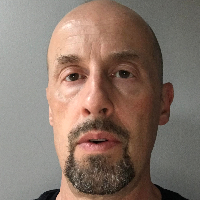
Sheet 1
- ACT and CBT methods
- Attachment focus
- Works with trauma
About Thomas
LCSW (Illinois) Thomas Zimm has 14 years of clinical experience working in Illinois with adults and adolescents. He focuses on stress, anxiety, trauma and abuse, grief, anger, depression, addictions, relationship and family concerns, and ADHD among other areas.
Thomas works in a collaborative, advocacy-minded way. He combines practical tools with talking work. Sessions often include mindfulness practices and skill teaching drawn from Cognitive Behavioral Therapy and Dialectical Behavior Therapy. He also uses attachment-informed and trauma-focused methods when those fit a person's history.
He has long experience supporting people affected by abuse, neglect, domestic violence, separation, loss, homelessness, and substance misuse. That background informs how he responds to trauma and safety needs in sessions. Thomas aims to validate what clients bring while focusing on what they want to change and how to get there.
In the room he emphasizes engagement and clear, direct help rather than labels. He frames work around goals and steps people can practice between sessions. That can include behavioral experiments, coping skills, and strategies to manage intense feelings.
People who want a practical, skills-oriented approach with attention to attachment and trauma often find his methods useful. He also supports parents and caregivers around caregiver stress, fatherhood issues, adoption and foster care matters, and attachment concerns.
Thomas offers sessions in English and accepts international clients. Rates vary by location and sessions use a subscription that can be canceled at any time. To begin, use the platform's matching questionnaire and schedule an initial session.
Sheet 2
How his therapeutic approaches work in online sessions
Acceptance and Commitment Therapy (ACT) helps people notice uncomfortable thoughts and feelings without getting stuck in them, then commit to actions that line up with their values. Cognitive Behavioral Therapy (CBT) focuses on identifying unhelpful thinking patterns and changing behaviors through practical exercises and homework. Trauma-Focused Therapy addresses traumatic memories and reactions with techniques that reduce distress and increase coping skills.Choosing the right approach is part of the work. The therapist will talk with each person about goals, symptoms, and preferences, and together they will decide which methods to use. That collaborative planning can change as progress is made.
The biography does not list specific session types, so confirm the available formats before booking. Online work can make it easier to fit appointments into a busy week, reduce travel time, and allow short check-ins when needed. It also supports doing between-session practice that transfers directly into daily life. Ask about session length, frequency, and any technical needs when scheduling so the session structure matches practical constraints.
Sheet 3
Areas of expertise
Primary focus
Also works with
Additional focus areas
Therapeutic approaches
Experience
14+ years
Listed in
Illinois
Languages
English
Sheet 4
Frequently asked questions
What concerns does he address?
He works with stress, anxiety, trauma and abuse, grief, anger, depression, addictions, relationship and family concerns, bipolar issues, and ADHD among other topics.
What approach does he use in sessions?
He uses a mix of Acceptance and Commitment Therapy, Cognitive Behavioral Therapy, Dialectical Behavior Therapy, attachment-based work, and trauma-focused methods with mindfulness and skills practice.
How much clinical experience is there?
He has 14 years of experience working with children, adolescents, and adults in clinical settings.
What are his credentials and location?
He is an LCSW licensed in Illinois and practices with a focus on the Illinois region.
Which languages are supported?
Sessions are offered in English and he accepts international clients.
What session formats are offered?
The original biography does not list specific session formats; confirm the current session options before booking.
How are fees handled?
Rates vary by location and sessions use a subscription model that can be canceled at any time.
How do I get started?
Select the See online therapy options button, complete the short matching questionnaire, and schedule a first session.
Online talk therapy is not emergency care. If you are in danger, use the urgent help numbers.