Sheet 1
- EMDR
- Family conflict
- Grief and loss
About Rachel
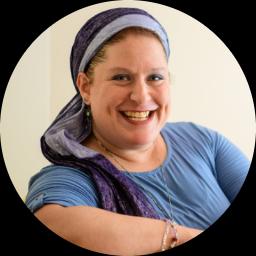
Rachel Weinstein is an Illinois licensed clinical social worker (LCSW) with 22 years of experience. She works with adults on stress, anxiety, grief, depression, relationship and family concerns, LGBT issues, trauma and intimacy-related problems. Sessions are offered in English and Hebrew.
She has provided care in private practice and in medical settings such as nursing homes, hospitals, and hospice. That background means she is familiar with serious illness, caregiving strain, and end-of-life concerns. She also addresses parenting stress, blended family issues, and communication problems.
Rachel uses practical, talk-based work in sessions. She listens for how problems show up in daily life and then tries different ways to help people cope and make changes. One documented approach she uses is Eye Movement Desensitization and Reprocessing (EMDR) for trauma and distress that is linked to painful memories.
Clients looking for help with anger, self-esteem, career shifts, abandonment, chronic illness or sexual intimacy issues will find these topics within her experience. She has worked with people facing caregiving burdens, cancer, chronic pain, and co-occurring conditions. The focus is on clear problem-solving and coping skills alongside deeper trauma work when needed.
To start, people complete a brief matching questionnaire and then schedule a first session. Fees vary with location and billing uses a cancelable subscription model, so session cost depends on the selected plan.
Sheet 2
Therapeutic approaches used in remote care
Rachel offers Eye Movement Desensitization and Reprocessing (EMDR) as a documented approach. EMDR is a structured method that helps people process painful memories so those memories cause less distress. It is often used for trauma and abuse-related symptoms that continue to affect daily life.Her overall approach combines talk-based coping skills with targeted memory-processing when needed. She works collaboratively with clients to decide which methods to try, adjusting techniques based on goals, symptoms, and comfort level. If you are considering remote sessions, confirm the specific formats available before booking. The platform’s scheduling process asks a few questions to match you and then lets you book a first appointment. Online work can make it easier to fit therapy into a busy day, reduce travel time, and allow shorter check-ins when a full in-person visit would be harder to arrange. Rachel will discuss which approach and session length best fit your circumstances during the first meetings.
Sheet 3
Areas of expertise
Primary focus
Also works with
Additional focus areas
Therapeutic approaches
Experience
22+ years
Listed in
Illinois
Languages
English, Hebrew
Sheet 4
Frequently asked questions
What kinds of concerns does she help with?
She works with stress, anxiety, grief, depression, relationship and family concerns, LGBT issues, trauma and intimacy-related problems among other topics.
What is her therapeutic style?
Her work is conversational and practical, using coping skills and problem-solving plus EMDR for trauma-related memories when appropriate.
How much experience does she have?
She has 22 years of clinical experience in private practice and medical settings including nursing homes, hospitals, and hospice.
What are her credentials and where is she based?
She is an Illinois licensed clinical social worker (LCSW) practicing in Illinois.
Which languages are supported?
Sessions are offered in English and Hebrew.
Can people outside the United States work with her?
International clients are not currently accepted.
How are sessions scheduled and paid for?
Sessions use a subscription that can be canceled at any time and costs vary with location.
How do I begin working with her?
Click the See online therapy options button, complete a short matching questionnaire, and schedule a first session.
Online talk therapy is not emergency care. If you are in danger, use the urgent help numbers.