Sheet 1
- Addictions support
- Relationship work
- Trauma-informed methods
About John
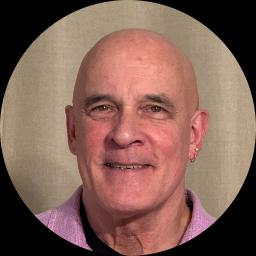
LCSW in Alaska with 40 years of clinical experience, John Cook helps people address addictions, relationship strain, trauma and abuse, intimacy-related concerns, and depression. He works directly with individuals and has also trained and supervised other clinicians. Sessions are conducted in English and his practice emphasizes practical work on the problems people bring in.
John uses conversational, problem-focused methods in session. He draws on Client-Centered Therapy to follow what the client says matters most. He uses Cognitive Behavioral Therapy to spot and change unhelpful thoughts and behaviors. Motivational Interviewing and Solution-Focused ideas are used to find small, actionable steps forward. Dialectical Behavior Therapy informs skills-based work when emotion regulation is a focus.
He has documented experience supporting people with abandonment and attachment issues, communication and control problems, guilt or shame, impulsivity, and isolation or loneliness. John also works with life purpose questions, mood disorders, panic attacks, post-traumatic stress, sexuality concerns, and social anxiety and phobia. His approach is practical and oriented to solving current problems while attending to the ways past experiences matter.
In supervision and training roles he has worked with other clinicians to develop clinical skills. He holds clinical supervision credentials in Alaska and the Master Addiction Counselor credential as stated in his background. Sessions use a subscription billing model that can be canceled at any time.
To begin, prospective clients follow the site’s matching steps to schedule a first session. The matching questionnaire is the start point for deciding whether his style and methods fit a person’s needs.
Sheet 2
How his approaches translate to online work
Client-Centered Therapy focuses on listening and reflecting what matters to the client; online sessions let that conversational work continue by phone or video. Cognitive Behavioral Therapy (CBT) breaks problems into thoughts, feelings, and actions and uses exercises or homework to change patterns; that structure adapts well to a remote format and to short between-session tasks. Dialectical Behavior Therapy (DBT) provides skills in emotion regulation and distress tolerance which can be practiced in and between sessions to build steadier coping.Deciding which approach to use is collaborative. The therapist and client review goals, preferences, and what has helped before. Together they choose whether to emphasize skills practice, problem-solving steps, motivational work, or exploratory conversation, and they adjust the plan as progress is reviewed.
The practical benefits of online sessions include fitting therapy into everyday schedules and reducing travel time. Confirm the current session options before booking since formats are not specified in the biography. The matching questionnaire and first session are used to confirm how sessions will be conducted and how therapy can fit into work, caregiving, or other commitments.
Sheet 3
Areas of expertise
Primary focus
Additional focus areas
Therapeutic approaches
Experience
40+ years
Listed in
Alaska
Languages
English
Sheet 4
Frequently asked questions
What concerns does he help with?
He works with addictions, relationship difficulties, trauma and abuse, intimacy-related issues, and depression. Additional areas include attachment, abandonment, panic attacks, post-traumatic stress, and social anxiety.
What is his therapeutic style?
He uses a practical, client-centered style. Sessions combine client-centered conversation with CBT, DBT skills, Motivational Interviewing, and solution-focused steps.
How much experience does he have?
He has 40 years of professional experience working directly with individuals and supervising other clinicians.
What credentials and location are listed?
He is an LCSW licensed in Alaska and notes clinical supervision credentials and the Master Addiction Counselor credential in his background.
Which languages are supported?
Sessions are offered in English.
Can people outside the United States work with him?
International clients are not accepted at this time.
How are sessions billed?
Sessions use a subscription that can be canceled at any time and costs vary with location.
How do I begin working with him?
Select the See online therapy options button, complete the short matching questionnaire, and schedule a first session.
Online talk therapy is not emergency care. If you are in danger, use the urgent help numbers.