Sheet 1
- Attachment-based work
- Client-centred approach
- Stress and anxiety
About Emma
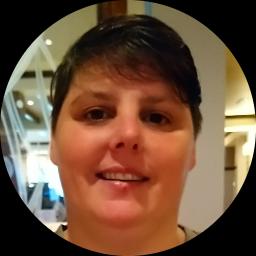
Emma Rigg is a counsellor registered with the British Association for Counselling and Psychotherapy (BACP) with six years of professional experience. She works with people facing stress, anxiety, depression and LGBT-related concerns. She also addresses trauma and abuse and helps clients cope with life changes.
Emma takes a straightforward, person-focused approach. She treats the client as the expert in their own story and looks for existing strengths to build on. Sessions are conversational and aim to make difficult feelings easier to understand and manage.
Her practice draws on attachment-based methods to look at how early and close relationships shape current patterns. That can be useful for issues like attachment difficulties, abandonment, loneliness and relationship communication problems. She also uses client-centred ways of working that focus on the person's perspective and immediate concerns.
Emma supports people dealing with a wide range of challenges beyond the main areas listed. These include caregiver stress, chronic illness and pain, divorce and separation, domestic violence, gender dysphoria, guilt and shame, and problems linked to ageing or being a carer. She helps clients talk through practical coping steps as well as the emotions that come with these situations.
Her sessions aim to be direct and respectful. She will work with each person to clarify goals and decide how therapy can fit into their life. To begin, readers are asked to use the site matching tool to schedule a first appointment.
Sheet 2
How her approaches translate to online work
Attachment-Based Therapy looks at how early or close relationships influence current feelings and patterns. Online sessions using this framework focus on identifying recurring interaction styles and practising new ways of relating to others, which can help with loneliness, abandonment issues and communication problems.Client-Centred Therapy centres on the person's experience and priorities. In remote sessions that means the counsellor follows the client's lead, reflects what they say and helps them make sense of their feelings. This approach suits people wanting time to talk things through and to clarify their own goals.
Choosing the right approach is part of the work. Emma will discuss different ways of working with the client and decide together which methods fit the person's needs, goals and preferences. This is a collaborative process rather than a one-size-fits-all prescription.
Check the site for the current session options before booking, as formats are not specified here. Online sessions can make it easier to fit counselling into a busy week, allow for shorter check-ins when needed, or remove travel time so appointments are less disruptive. Registered or accredited professionals can adapt techniques to remote settings so that practical coping steps and relationship patterns are still addressed effectively.
Sheet 3
Areas of expertise
Primary focus
Also works with
Additional focus areas
Therapeutic approaches
Experience
6+ years
Listed in
United Kingdom
Languages
English
Sheet 4
Frequently asked questions
What concerns does she address?
She works with stress, anxiety, depression and LGBT-related concerns, and supports people dealing with trauma and life changes.
Which therapeutic styles does she use?
She uses Attachment-Based Therapy and Client-Centred Therapy to explore relationship patterns and prioritise the client's perspective.
How much experience does she have?
She has six years of professional experience in counselling and related work.
What credential does she hold and where is she based?
She is registered with the British Association for Counselling and Psychotherapy (BACP) and practices in the United Kingdom.
Which languages are supported?
Sessions are offered in English.
Does she work with clients outside the UK?
International clients are not currently accepted.
How are sessions paid for?
Fees vary with location and sessions use a subscription model that can be cancelled at any time.
How do I begin a first session?
Select the See online therapy options button, complete a short matching questionnaire, and schedule a first session through the site.
Online talk therapy is not emergency care. If you are in danger, use the urgent help numbers.