Sheet 1
- Addictions
- Trauma and abuse
- Self esteem
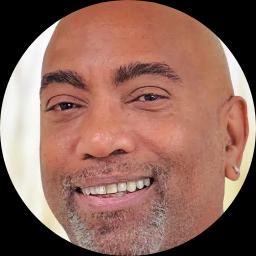
About Derek
LCSW licensed in Florida with eight years of clinical experience, Derek Kee-Haynes helps people facing addiction, trauma and abuse, depression, LGBT concerns, and self-esteem struggles. He uses evidence-based therapeutic techniques and centers sessions on practical steps clients can use between meetings. Derek writes plainly and focuses on what people can do next rather than on jargon.
Derek approaches work by treating the client as the expert on their life. He looks for existing strengths to build on and helps clients practice skills that reduce symptoms and increase daily functioning. Sessions move at a steady pace and emphasize concrete strategies alongside personal reflection.
He has worked with people dealing with alcohol and drug problems and with a range of mood and personality concerns. Derek also supports clients coping with abandonment, chronic pain, codependency, communication problems, control issues, infidelity, and issues related to HIV and AIDS. He includes cultural and multicultural concerns in his work.
The first session is used to map current difficulties and set practical goals. Later sessions revisit progress and add new tools as needed. Derek encourages people to try short experiments between sessions to see what helps and what doesnt.
Sessions are conducted in English from his Florida practice. Cost varies by location and sessions use a subscription that can be canceled at any time. To start, select the See online therapy options button, complete a short matching questionnaire, and schedule a first session.
Sheet 2
How evidence-based techniques guide online work
Two common evidence-based approaches Derek uses are practical skill-building and trauma-focused methods. Practical skill-building teaches specific tools such as coping strategies, behavioral experiments, and communication techniques to reduce symptoms and improve daily functioning. Trauma-focused methods clarify how past events affect current behavior and emotion, and then work to reduce the reminders and reactions that keep problems active. Finding the right approach is a collaborative process. Derek will review your concerns, goals, and preferences and suggest which techniques to try first. He checks progress regularly and adapts methods when something is not working. Confirm the exact session formats before booking. The practical benefits of online sessions include fitting therapy into a work break or a busy day, removing travel time, and allowing shorter check-ins when a quick update is helpful. Online appointments also make it easier to continue work while relocating within the same state. If you want to know which formats he currently offers, use the See online therapy options button and complete the short matching questionnaire before scheduling.Sheet 3
Areas of expertise
Primary focus
Additional focus areas
Experience
8+ years
Listed in
Florida
Languages
English
Sheet 4
Frequently asked questions
What concerns does he support?
He works with addictions, trauma and abuse, depression, LGBT issues, and self-esteem concerns, plus related areas such as codependency, infidelity, and HIV/AIDS.
What style of therapy does he use?
He uses evidence-based therapeutic techniques and focuses on clear, practical steps people can use between sessions.
How much clinical experience does he have?
He has eight years of professional work experience in clinical settings.
What are his credentials and where is he located?
He is an LCSW licensed in Florida and conducts practice from that state.
Does he offer sessions in other languages?
Sessions are offered in English.
Can people outside the United States work with him?
He does not accept international clients at this time.
How are sessions paid for and what do they cost?
Cost varies with location; sessions use a subscription that can be canceled at any time.
What should I do to begin therapy?
Select the See online therapy options button, complete a short matching questionnaire, and schedule a first session.
Online talk therapy is not emergency care. If you are in danger, use the urgent help numbers.