Sheet 1
- Addictions
- LGBT support
- Strengths-based
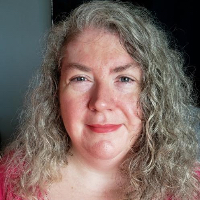
About Angelamaria
LCSW (New York). Angelamaria Riedi has six years of experience working with people across the lifespan from adolescents to seniors. She focuses on concerns such as depression, anxiety, trauma, substance use, aging-related issues, relationship and parenting stresses, and identity concerns including LGBT topics.
Riedi uses practical, strengths-based methods to help people identify what already works for them. She listens to what feels difficult, then helps clients name skills they can use right away. Sessions emphasize clear steps, building self-awareness, and increasing everyday coping options.
Her background includes work with crisis and trauma, workforce transitions, and elder concerns. That experience informs how she approaches care for people managing health changes, caregiver strain, or chronic illness. She also has experience supporting people facing grief, anger, and attachment challenges.
Riedi describes her style as open-minded and non-judgmental. She is LGBT friendly and has worked with people from varied cultural backgrounds. She has also supported people with substance use issues and co-occurring conditions.
Practical matters are handled simply. Sessions use a subscription model that can be canceled at any time. To begin, a person completes a short matching questionnaire and schedules a first session.
Sheet 2
How her approaches translate to remote sessions
Riedi commonly uses strengths-based work and practical evidence-based techniques. Strengths-based work focuses on identifying the skills and resources a person already has, then applying those strengths to solve current problems. This can help with low mood, motivation, and building resilience after loss or setback.She also draws on brief, skills-focused strategies that teach concrete ways to manage anxiety, mood swings, and stress. These techniques break problems into small steps and offer tools a person can use between sessions to track progress and practice new responses.
Choosing an approach is collaborative. The therapist and client review needs, goals, and preferences and then try methods that fit the situation. Adjustments are made over time if something is not helpful, so the process stays practical and client-centered.
Session formats are not specified in the biography, so confirm current options before booking. In general, online work can make scheduling easier, allow shorter check-ins when needed, and reduce travel time so sessions fit around work or caregiving. Licensed professionals use remote sessions to continue skills practice, plan behavioral steps, and maintain momentum between appointments.
Sheet 3
Areas of expertise
Primary focus
Also works with
Additional focus areas
Experience
6+ years
Listed in
New York
Languages
English
Sheet 4
Frequently asked questions
What concerns does she address?
She works with depression, anxiety, trauma, substance use, relationship and parenting stresses, identity concerns including LGBT topics, and aging-related issues.
How would you describe her therapeutic style?
Her approach is strengths-based and practical. She helps people identify existing skills and turn them into usable coping steps.
How much clinical experience does she have?
She has six years of experience working with clients across the lifespan, from adolescents to seniors.
What are her credentials and where is she based?
She is a Licensed Clinical Social Worker (LCSW) licensed in New York and practices from New York.
Which languages are supported?
Sessions are offered in English.
Does she work with clients outside the U.S.?
International clients are not currently accepted.
How do sessions and cost work?
Cost varies with location and sessions use a subscription model that can be canceled at any time.
How do I get started?
Begin by selecting the See online therapy options button, completing a short matching questionnaire, and scheduling a first session.
Online talk therapy is not emergency care. If you are in danger, use the urgent help numbers.