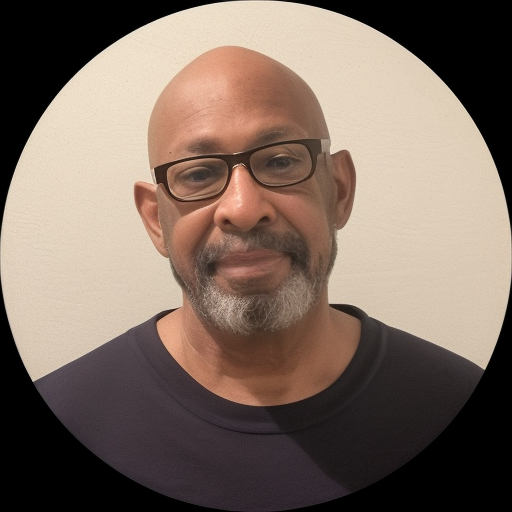
Sheet 1
- Stress and anxiety
- Relationship concerns
- Trauma recovery
About Washington
LCMHC in North Carolina with 21 years of experience, Washington White works with adults on stress, anxiety, relationships, trauma and self-esteem. He focuses on practical steps people can use right away. Sessions emphasize clear goals and skills to manage day-to-day problems.
Washington helps people sort out communication problems and control issues. He also addresses forgiveness, guilt and shame, loneliness, life purpose, and social anxiety. He frames problems in plain terms and looks for changes that fit a person’s life.
His work draws on evidence-based therapeutic techniques. That means using approaches shown to help with symptoms of post-traumatic stress, anxiety, and ongoing relationship strain. He describes therapy as a process of trying methods, checking what helps, and adjusting as needed.
In sessions he uses straightforward conversation, practical skill building, and reflective listening. He helps people notice patterns, practice new ways of responding, and track small improvements over time. Progress is measured in concrete steps rather than vague promises.
Washington’s background includes two decades of clinical practice in North Carolina as an LCMHC. He works in English. For people exploring therapy, he asks for a short intake so he can match goals to methods. The site’s booking flow directs you to a questionnaire and scheduling tool to set up the first appointment.
Sheet 2
How his approaches translate to online work
Many of the techniques he uses are evidence-based therapeutic techniques that focus on symptom reduction and skill building. One common method emphasizes skills training for anxiety and stress - teaching breathing, grounding, and behavioral steps to reduce acute symptoms and build confidence. This approach helps when day-to-day worry or panic gets in the way of functioning.Another typical method centers on processing trauma-related responses through structured sessions that identify triggers, safety responses, and gradual ways to change those patterns. That work aims to reduce the hold of past events on current life and to restore a sense of control over reactions.
Finding the right method is part of the work. He will collaborate with each person to identify which techniques fit their goals and preferences. Sessions begin with a short assessment and then test approaches for a few weeks to see what produces helpful change.
Confirm the session formats offered before booking so you know how appointments are scheduled. Online sessions can make it easier to fit therapy into a busy day by removing travel time and allowing shorter or more focused check-ins when needed. Licensed professionals often use this flexibility to maintain consistent progress while adjusting session length and timing to match everyday life.
Sheet 3
Areas of expertise
Primary focus
Additional focus areas
Experience
21+ years
Listed in
North Carolina
Languages
English
Sheet 4
Frequently asked questions
What concerns does he help with?
He works with stress, anxiety, relationship issues, trauma and self-esteem problems. Additional focuses include communication, control issues, guilt and shame.
What is his therapeutic style?
He uses practical, goal-focused work with straightforward conversation and skill building. Sessions emphasize trying methods and checking what helps.
How much clinical experience does he have?
He has 21 years of experience as a practicing clinician. That experience has been built in North Carolina settings.
What credential does he hold and where is he based?
He is a Licensed Clinical Mental Health Counselor, LCMHC, practicing in North Carolina.
Which languages are supported in sessions?
Sessions are offered in English.
Can international clients work with him?
He is not currently accepting international clients.
How are sessions paid for?
Cost varies with location and sessions use a subscription that can be canceled at any time.
How do I begin the process?
Select the See online therapy options button, complete a short matching questionnaire, and schedule a first session.
Online talk therapy is not emergency care. If you are in danger, use the urgent help numbers.