Sheet 1
- Cognitive Behavioral Therapy
- EMDR for trauma
- Trauma-Focused Therapy
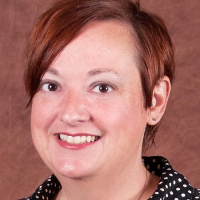
About Rebecca
Licensed Clinical Professional Counselor (IL LCPC) with 11 years of experience, Rebecca Murray helps people facing stress, anxiety, trauma and abuse, grief, anger, compassion fatigue, relationship and family concerns, self-esteem issues, depression, and life changes. She also supports people dealing with control issues, domestic violence, family of origin concerns, first responder strain, guilt and shame, and workplace problems.
Rebecca uses Cognitive Behavioral Therapy (CBT), Eye Movement Desensitization and Reprocessing (EMDR), Trauma-Focused Therapy, and Internal Family Systems in her practice. Sessions focus on practical skills, clearer thinking, and processing difficult memories. She combines structured tools with reflective conversation to address emotions and behaviors.
In a typical session she helps people identify unhelpful thoughts and test new behaviors. She guides emotional processing where trauma or painful memories are present. Work may include skills for panic, mood management, or grief coping as needed.
Rebecca draws on more than a decade of clinical experience in Illinois. She frames goals collaboratively and adjusts methods to fit what each person needs. Progress is tracked with specific goals and steps, rather than vague promises.
Her approach is straightforward and goal-oriented. People can expect clear explanations of methods, practical homework between sessions, and attention to how life roles and work demands affect mental health. To begin, use the site matching process to schedule an initial session.
Sheet 2
How Rebecca applies common approaches in remote work
Rebecca commonly uses Cognitive Behavioral Therapy and EMDR as part of her work. CBT focuses on identifying unhelpful thoughts and testing new behaviors to reduce symptoms like anxiety and depression. EMDR involves structured memory processing to reduce distress linked to traumatic events and can help with trauma-related reactions.She also draws on Trauma-Focused Therapy and Internal Family Systems when relevant, working with parts of experience and past events to understand current responses. Deciding which approach to use is collaborative. The therapist and client review goals, symptoms, and preferences before choosing methods and may adjust the plan as work progresses.
Confirm current session options before booking, as formats are not specified here. Online work can make it easier to fit sessions into a busy life - for example, a shorter check-in can be scheduled during a lunch break, or remote sessions can avoid travel time. The focus remains on practical skills, memory processing when needed, and regular follow-up to track progress.
Sheet 3
Areas of expertise
Primary focus
Also works with
Additional focus areas
Therapeutic approaches
Experience
11+ years
Listed in
Illinois
Languages
English
Sheet 4
Frequently asked questions
What concerns does she address?
She works with stress, anxiety, trauma and abuse, grief, anger, compassion fatigue, relationship and family issues, self-esteem, depression, and coping with life changes. Additional focus areas include domestic violence, first responder issues, and workplace problems.
What is her therapeutic style?
She uses a practical, goal-focused approach that blends structured techniques with reflective conversation. Sessions often include skill practice and steps to try between meetings.
How much clinical experience does she have?
Rebecca has 11 years of experience as a clinician working in Illinois. Her work has included grief, compassion fatigue, anxiety, depression, and anger-related concerns.
What credential does she hold and where is she based?
She is an IL LCPC, which is a Licensed Clinical Professional Counselor credential in Illinois. Her practice is located in Illinois.
Which languages are supported for sessions?
Sessions are offered in English.
Can international clients work with her?
International clients are not currently accepted.
How does billing and cost work?
Cost varies with location and services. Sessions use a subscription model that can be canceled at any time.
How do I begin working with her?
Start by selecting the See online therapy options button, completing a short matching questionnaire, and scheduling a first session through the site process.
Online talk therapy is not emergency care. If you are in danger, use the urgent help numbers.