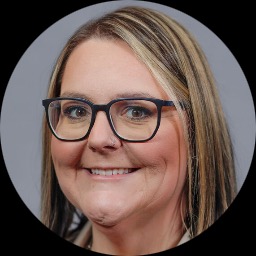
Sheet 1
- Stress and anxiety
- LGBT and gender dysphoria
- Trauma and abuse
About Priscilla
LICSW (Minnesota) with six years of clinical experience, Priscilla Diggins focuses on stress, anxiety, trauma and mood concerns. She sees people coping with depression, bipolar disorder, and trauma-related problems, and has a stated focus on supporting LGBT clients and survivors of sexual assault and domestic violence. Priscilla speaks English and practices in Minnesota.
Priscilla helps people untangle communication problems and patterns that keep them stuck. She works with issues like attachment struggles, social anxiety, dissociation, impulsivity, and self-harm. She also supports those navigating gender dysphoria and aspects of autism spectrum experience.
Her approach is trauma-informed and client-centered. Sessions typically involve listening to what matters most, identifying repeating patterns, and trying practical ways to change day-to-day responses. She aims to help people build more reliable coping skills and steadier relationships.
Priscilla has worked with co-occurring conditions and complex presentations, including personality-related patterns, codependency, and disruptive mood dysregulation concerns. She attends to both immediate safety and longer-term behavior patterns in session work.
Practical matters are part of her work. She asks questions about relationships, routines, and stressors, and then offers small, doable steps to test in real life. People leave with specific strategies to try between appointments and opportunities to review what worked.
Her training is reflected in the LICSW credential listed above. Prospective clients in Minnesota can consider whether her focus areas match their concerns before choosing to proceed.
Sheet 2
How her approaches guide online work
Priscilla describes her work as trauma-informed and client-centered, which means she pays attention to how past harm affects present reactions and focuses on what the client wants to address. In practice this looks like asking about current stressors, relationship patterns, and safety, then working on small, concrete changes that can be tried between sessions.When therapists use evidence-based techniques for trauma and mood concerns, they often combine skills training with focused processing. Skills training teaches breathing, emotion regulation, and grounding methods to reduce overwhelming reactions. Focused processing helps people name and rework upsetting memories or beliefs so those memories stop driving daily behaviors.
Finding the right mix of approaches is part of the work. She will collaborate with each person to choose which techniques fit their goals, needs, and preferences. That may mean shifting emphasis over time and checking what helps most in day-to-day life.
The biography does not list specific session formats. Confirm the current session options before booking so you know how sessions are scheduled and delivered. Many people find online sessions help fit therapy into work, school, or caregiving routines, allow shorter check-ins when needed, or reduce travel time. Licensed professionals can adapt techniques to a remote setting while focusing on practical changes that translate to everyday life.
Sheet 3
Areas of expertise
Primary focus
Additional focus areas
Experience
6+ years
Listed in
Minnesota
Languages
English
Sheet 4
Frequently asked questions
What concerns does she address?
She works with stress, anxiety, trauma and mood concerns including depression and bipolar disorder. Additional focuses include domestic violence, gender dysphoria, and dissociation.
What is her therapeutic style?
She uses a trauma-informed, client-centered approach. Sessions focus on listening, identifying patterns, and trying practical steps to change daily responses.
How much experience does she have?
She has six years of clinical experience. That experience includes work with co-occurring conditions and complex presentations.
What credential and region apply?
She holds an LICSW and practices in Minnesota. The credential is shown as MN LICSW.
Which languages and international options are available?
Sessions are offered in English. International clients are not currently accepted.
What session formats are offered?
Session formats are not specified in the biography. Confirm current session options before booking to know whether phone or video is offered.
How does payment work?
Cost varies with location and sessions use a subscription that can be canceled at any time. Check the provider details for exact pricing in your area.
How do I begin working with her?
Start by selecting the See online therapy options button and completing a short matching questionnaire. After that you can schedule a first session.
Online talk therapy is not emergency care. If you are in danger, use the urgent help numbers.