Sheet 1
- Client-Centered Therapy
- Cognitive Behavioral Therapy
- EMDR and Mindfulness
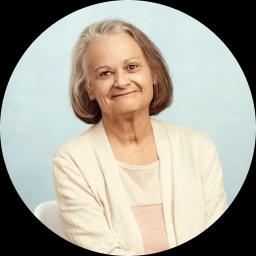
About Pamela
Licensed Professional Counselor (LPC) in Arizona with 10 years of experience, Pamela Wagner focuses on stress, anxiety, trauma and abuse, depression, grief, career concerns, and coping with life changes. Pamela works with adults facing these common struggles and uses several practical therapy methods to help people manage symptoms and make concrete changes.
She draws on Client-Centered Therapy to listen and reflect what matters to each person. She uses Cognitive Behavioral Therapy (CBT) to identify unhelpful thoughts and try new behaviors. Pamela also incorporates Dialectical Behavior Therapy (DBT), EMDR, and mindfulness practices when they fit the client’s needs.
Her background includes work across hospice care, community mental health, and contracted private practice. That range informs how she supports people through grief, chronic illness, and trauma-related concerns. She describes therapy work as collaborative and focused on the client’s goals.
Pamela notes that spirituality can matter in therapy and is open to discussing spiritual beliefs as they relate to a person’s life. Sessions are intended to be practical and goal-oriented, with attention to emotional safety and pacing.
People usually begin by describing the immediate problem, and then Pamela helps set short-term steps alongside longer-term goals. She aims to teach tools people can use between sessions, such as grounding, behavioral experiments, and thought records.
To start, prospective clients complete a short matching questionnaire and schedule a first session. The subscription used for sessions can be canceled at any time, and fees vary by location.
Sheet 2
Therapeutic approaches used in remote work
Client-Centered Therapy emphasizes listening and reflecting what the client says to help them clarify values and goals. It’s helpful for people who want a supportive space to sort priorities and make decisions.Cognitive Behavioral Therapy (CBT) focuses on identifying unhelpful thinking patterns and testing new behaviors. It’s commonly used for anxiety, depression, panic, and many everyday stressors.
Dialectical Behavior Therapy (DBT) brings practical skills for emotional regulation, distress tolerance, and interpersonal effectiveness. That can help with impulsivity, intense emotions, and communication problems.
Finding the right approach is part of the work. The therapist will collaborate with each person to choose which methods to try based on symptoms, goals, and preferences. Plans often combine elements from different approaches and are adjusted as needs change.
Session formats are not specified in the biography, so confirm current options before booking. Online sessions can make it easier to fit therapy into a busy schedule, reduce travel time, and allow shorter check-ins when needed. They also let people use mindfulness or grounding tools in real-life contexts between sessions, which can support practice and progress.
Sheet 3
Areas of expertise
Primary focus
Also works with
Additional focus areas
Therapeutic approaches
Experience
10+ years
Listed in
Arizona
Languages
English
Sheet 4
Frequently asked questions
What concerns does she address?
She works with stress, anxiety, trauma and abuse, depression, grief, career issues, and coping with life changes. Additional focuses include attachment, codependency, chronic illness, panic, and post-traumatic stress.
What is her general therapy style?
She uses a collaborative, practical approach that emphasizes listening and goal-setting. Sessions often include tool-building such as grounding, behavioral experiments, and thought records.
How much experience does she have?
Pamela has ten years of clinical experience working in hospice care, community mental health, and contracted private practice. That background informs her work with grief, trauma, and chronic health concerns.
What are her credentials and where is she based?
She is a Licensed Professional Counselor (LPC) licensed in Arizona. Her practice is located in Arizona.
Which languages are used in sessions?
Sessions are offered in English. International clients are not currently accepted.
What session formats are available?
The original biography does not list specific session formats. Confirm current session options before booking to know whether sessions are video, phone, or in-person.
How does cost work?
Cost varies with location and sessions are delivered through a subscription model that can be canceled at any time. Exact fees should be confirmed before scheduling.
How do I get started?
Begin by selecting the See online therapy options button, complete the short matching questionnaire, and schedule a first session. That starts the intake and planning process.
Online talk therapy is not emergency care. If you are in danger, use the urgent help numbers.