Sheet 1
- CBT
- DBT skills
- EMDR
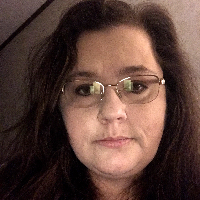
About Melanie
Licensed Professional Clinical Counselor (LPCC) and Licensed Mental Health Counselor (LMHC) in Ohio, Melanie Dente has six years of clinical experience helping people with stress, anxiety, depression, trauma and related concerns. She works with people facing relationship strain, grief, anger, career difficulties, mood disorders including bipolar, and compassion fatigue. Sessions also address issues like panic attacks, phobias, paranoia, workplace problems, and recovery after assault or domestic violence.
Melanie uses practical, evidence-based methods in session. She draws on Cognitive Behavioral Therapy (CBT) to help people test and change unhelpful thoughts. Dialectical Behavior Therapy (DBT) skills are used to manage intense emotions. She also uses Eye Movement Desensitization and Reprocessing (EMDR) and trauma-focused approaches when trauma symptoms are central.
Her approach is skills-oriented and straightforward. Clients learn concrete tools to manage symptoms and respond to stress. Melanie encourages identifying supports in work and personal life and reducing unsafe behaviors while building coping resources.
Sessions involve active work and challenge. She asks clients to practice new skills between meetings and to notice when things improve. Progress is tracked with small, measurable steps and successes are acknowledged as they come.
Melanie’s background includes extended work with survivors of trauma and people coping with disaster-related stress. She emphasizes collaborative planning and a mix of skill teaching and targeted trauma work to help people move past symptoms and toward clearer daily functioning.
Sheet 2
How her approaches work in online sessions
Melanie commonly uses Cognitive Behavioral Therapy and EMDR in her work. CBT focuses on identifying and testing unhelpful thoughts and practicing new behaviors to reduce anxiety and depression. EMDR involves structured processing of distressing memories to lessen their emotional impact and is used when trauma symptoms are a main concern.She also incorporates DBT skills training for emotion regulation and distress tolerance. DBT skills help people manage intense feelings, reduce impulsive responses, and improve communication in stressful situations.
Choosing the right approach is a collaborative process. Melanie will discuss goals, symptom patterns, and preferences and then recommend techniques or a combination of methods. She checks in regularly and adjusts the plan as needed so the methods fit the client’s needs.
Confirm the specific session formats before booking since formats were not specified in the biography. Online work can make it easier to fit sessions into a busy schedule, allow shorter check-ins when needed, and reduce travel time. These practical benefits help people keep therapy consistent while balancing everyday responsibilities.
Sheet 3
Areas of expertise
Also works with
Additional focus areas
Therapeutic approaches
Experience
6+ years
Listed in
Ohio, Washington
Languages
English
Sheet 4
Frequently asked questions
What kinds of problems does she help with?
She helps with stress, anxiety, depression, trauma and abuse, self-esteem, grief, anger, career concerns, relationship and family issues, and mood disorders including bipolar.
What is her therapeutic style?
Her style is skills-oriented and direct. She teaches tools for thought change, emotion regulation, and practical coping.
How much clinical experience does she have?
She has six years of experience working in mental health settings, including extended work with survivors of trauma.
What are her credentials and where is she licensed?
She holds LPCC and LMHC credentials and is licensed to practice independently in Ohio.
Which languages are used in sessions?
Sessions are offered in English.
Are international clients accepted?
International clients are not currently accepted.
How are sessions scheduled and paid for?
Cost varies with location and sessions use a subscription that can be canceled at any time.
How do I begin the process?
Start by selecting the See online therapy options button, complete a short matching questionnaire, and schedule a first session.
Online talk therapy is not emergency care. If you are in danger, use the urgent help numbers.