Sheet 1
- CBT
- DBT
- Motivational Interviewing
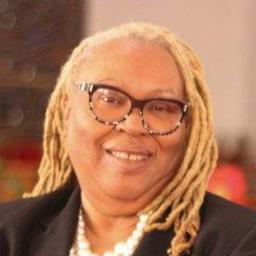
About Marguerite
Dr. Marguerite Allen is a Licensed Clinical Mental Health Counselor (LCMHC) in North Carolina with 25 years of experience helping people facing stress, anxiety, mood concerns, trauma, grief, addiction, and relationship and parenting challenges. She combines several therapeutic methods to match what each person needs and uses practical strategies in sessions.
Clients can expect a straightforward approach that focuses on what they want to change. Sessions emphasize clear goals, skill building, and practical steps to handle emotions, cravings, panic, or conflict. Dr. Allen draws from Client-Centered Therapy, Cognitive Behavioral Therapy (CBT), Dialectical Behavior Therapy (DBT), Motivational Interviewing, and Solution-Focused Therapy to guide the work.
Her background includes a B.A. in Behavioral Studies, a M.S. in Psychology, a Master of Divinity in Ministry, and a D.Min in Christian Counseling, and she holds the NC LCMHC credential. These studies inform a perspective that attends to beliefs, coping skills, and behavior patterns when addressing problems like depression, bipolar disorder, or substance use.
In practice she helps people untangle issues such as codependency, control problems, dissociation, anger, and isolation. She also addresses family and parenting concerns through individual sessions focused on communication and boundary skills.
Sessions are conducted in English. International clients are not accepted. Cost varies with location and sessions use a subscription that can be canceled at any time. To start, select the See online therapy options button, complete a short matching questionnaire, and schedule a first session.
Sheet 2
How these approaches are used for remote work
Dr. Allen commonly draws on Cognitive Behavioral Therapy and Dialectical Behavior Therapy in remote sessions. CBT focuses on identifying unhelpful thoughts and testing new behaviors to reduce anxiety, panic, and depressive patterns. DBT emphasizes emotion regulation, distress tolerance, and interpersonal skills that are useful for mood instability, impulsivity, and relationship conflicts.She also uses Client-Centered Therapy to listen closely and shape treatment around each person's goals. Deciding which methods to use is collaborative: the therapist and client review symptoms, priorities, and what has or hasn’t helped before, then agree on a plan to try and adjust as needed.
Session format options are not listed in the biography, so confirm current session options before booking. Online work can make it easier to fit appointments into a busy week, allow for shorter check-ins when time is limited, and reduce travel time. Therapists can adapt exercises and homework for remote sessions, and they will discuss practical details like session length and frequency during the first meeting to match the client’s schedule and needs.
Sheet 3
Areas of expertise
Also works with
Additional focus areas
Therapeutic approaches
Experience
25+ years
Listed in
North Carolina
Languages
English
Sheet 4
Frequently asked questions
What concerns does she help with?
She works with stress, anxiety, trauma and abuse, grief, depression, addictions, relationships, parenting issues, bipolar and other mood concerns.
What therapeutic approaches does she use?
Her work incorporates Client-Centered Therapy, Cognitive Behavioral Therapy (CBT), Dialectical Behavior Therapy (DBT), Motivational Interviewing, and Solution-Focused Therapy depending on client needs.
How long has she been practicing?
She has 25 years of clinical experience working with a wide range of concerns including mood disorders and addiction.
What are her credentials and where is she based?
She holds the NC LCMHC credential and practices in North Carolina.
Which languages does she offer sessions in?
Sessions are offered in English only.
Can people from other countries work with her?
She is not currently accepting international clients.
How much do sessions cost?
Cost varies with location and sessions use a subscription model that can be canceled at any time.
How do I get started?
Use the See online therapy options button, complete the short matching questionnaire, and then schedule a first session.
Online talk therapy is not emergency care. If you are in danger, use the urgent help numbers.