Sheet 1
- Stress and anxiety
- Trauma and abuse
- Relationship concerns
About Malori
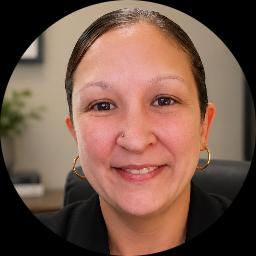
Licensed Clinical Social Worker (NC LCSW) with three years of experience. Malori White-Jefferson focuses on stress, anxiety, relationship concerns, trauma and abuse, depression, and coping with life changes. She works with people who need help managing strong emotions and difficult events. Sessions are delivered in English from her North Carolina practice.
She uses evidence-based therapeutic techniques to help people process painful experiences and change patterns that get in the way of daily life. Treatment often includes structured, skills-based methods to reduce symptoms and practical strategies for communication and emotional regulation. She adapts methods to fit each person's goals and situation rather than following a single script.
Malori brings experience from a public health setting and says that variety of past work helped her become flexible with different needs and backgrounds. She aims to balance straightforward guidance with a down-to-earth personal style. That can include focused exercises, talk-based exploration, and checking progress from week to week.
People can expect direct feedback alongside encouragement to try new behaviors between sessions. She pays attention to patterns such as attachment and abandonment concerns, control issues, dissociation, and mood or impulse-related problems. Pregnancy, postpartum issues, and trauma-related stress are also areas she addresses.
Her approach emphasizes practical steps for day-to-day life. She asks about immediate problems, sets clear goals, and tracks changes over time. To begin, prospective clients are asked to use the site matching questionnaire and schedule an initial session.
Sheet 2
Evidence-based approaches and remote care
She draws on evidence-based therapeutic techniques that focus on processing difficult experiences and changing unhelpful patterns. One commonly used approach involves structured, skills-oriented work to identify thought and behavior patterns and practice new responses; this helps with anxiety, depression, and everyday coping. Another common element is trauma-focused processing techniques that help people work through past hurt and reduce its impact on current life.Choosing an approach is a collaborative process. The therapist will talk with each person about goals, past treatment, and what feels practical now. Together they decide which techniques to try, check whether they are helping, and adjust the plan over time.
Check which session formats are offered before booking, since the biography does not list formats. Online sessions can make it easier to fit appointments into a workday, reduce travel time, and allow shorter check-ins when a quick adjustment is needed. They also let people keep consistent momentum between sessions while trying new skills in real life.
Sheet 3
Areas of expertise
Primary focus
Additional focus areas
Experience
3+ years
Listed in
North Carolina
Languages
English
Sheet 4
Frequently asked questions
What concerns does she address?
She works with stress, anxiety, relationship concerns, trauma and abuse, depression, and coping with life changes. Additional focus areas include attachment and abandonment issues, OCD-related problems, mood and personality concerns, postpartum and pregnancy-related issues, dissociation, self-harm, and disaster-related coping.
What is her therapeutic style?
She uses evidence-based therapeutic techniques and a client-centered approach. Expect practical skills, structured exercises, and conversational work tailored to each person's goals.
How much clinical experience does she have?
She has three years of experience, including work in a public health setting. That background informs a flexible approach to different needs and backgrounds.
What are her credentials and where is she located?
She is a Licensed Clinical Social Worker, NC LCSW, practicing in North Carolina.
Which languages are sessions offered in?
Sessions are offered in English.
Can international clients work with her?
International clients are not currently accepted.
How does billing and cost work?
Cost varies with location and therapy is provided via a subscription model that can be canceled at any time. Specific session fees depend on the chosen subscription settings.
How do I get started?
Begin by selecting the See online therapy options button, complete the short matching questionnaire, and schedule your first session.
Online talk therapy is not emergency care. If you are in danger, use the urgent help numbers.