Sheet 1
- Depression care
- Trauma and PTSD
- Workplace stress
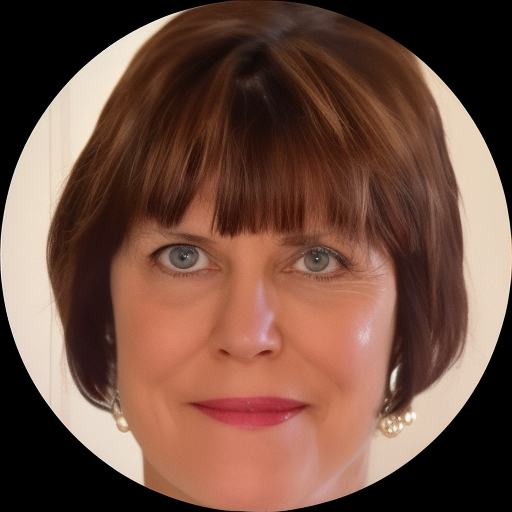
About Laura
Laura Smith is a Connecticut LCSW with 32 years of practice. She focuses on depression, anxiety, stress, relationship difficulties, trauma and abuse, and coaching.
Laura helps people cope with mood disorders and post-traumatic stress in straightforward sessions. She listens for patterns related to attachment, guilt, shame, and forgiveness. She also addresses workplace stress, communication problems, and the impact of chronic pain or illness on daily life.
Her work often centers on rebuilding self-regard and clarifying life purpose. Sessions include practical conversation about current problems and steps to try between meetings. The tone is secular and non-religious, so personal beliefs can be discussed according to each person’s preference.
She uses evidence-based therapeutic techniques to guide interventions and decisions. That means she draws on methods shown to help with mood, trauma, and stress-related concerns. The exact mix of techniques is chosen with each person over time.
Clients can expect focused discussion about behaviors, emotions, and relationships. Laura aims to make therapy understandable and actionable. People often leave sessions with one or two clear ideas to try before the next meeting.
Sheet 2
How evidence-based methods translate to remote work
Evidence-based therapeutic techniques focus on specific skills and processing. For example, approaches that target mood and anxiety emphasize identifying unhelpful thinking and testing new behaviors to reduce symptoms and increase functioning. Techniques for trauma and post-traumatic stress involve paced processing of distressing memories and learning ways to manage intense reactions. Finding the right approach is part of the work together. The therapist will review your concerns, goals, and preferences and suggest methods to try. That decision is collaborative and can change over time based on what helps most. Confirm the session formats available before booking, as formats were not specified in the biography. Online sessions can make it easier to fit meetings into a busy week, shorten travel time, and allow check-ins during a lunch break or between obligations. They also let people use quieter surroundings, avoid commuting, or choose sessions that do not require being on camera. Ask about the specific session options offered when you schedule your first appointment.Sheet 3
Areas of expertise
Primary focus
Additional focus areas
Experience
32+ years
Listed in
Connecticut
Languages
English
Sheet 4
Frequently asked questions
What concerns does she address?
She focuses on depression, anxiety, stress, relationship difficulties, trauma and abuse, and coaching. Additional areas include attachment issues, chronic pain and illness, communication problems, forgiveness, guilt and shame, life purpose, mood disorders, post-traumatic stress, self-love, women’s issues, and workplace problems.
What is her therapeutic style?
The style is practical and evidence-based. She uses approaches that emphasize skills, behavior, and processing trauma as appropriate.
How long has she practiced?
She has 32 years of clinical experience working with adults on mood, trauma, and relationship concerns.
What credential and region are listed?
She is a Connecticut LCSW and practices in Connecticut.
Which languages are supported?
Sessions are offered in English.
Are international clients seen?
She does not accept international clients at this time.
How does billing and cost work?
Cost varies with location and services. Sessions operate via a subscription that can be canceled at any time.
What are the first steps to begin?
Click the See online therapy options button, complete a short matching questionnaire, and schedule a first session.
Online talk therapy is not emergency care. If you are in danger, use the urgent help numbers.