Sheet 1
- CBT methods
- Mindfulness practice
- Motivational Interviewing
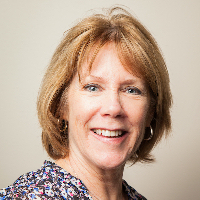
About Kathy
LCSW in California with 30 years of experience, Dr. Kathy Cox helps people facing stress, anxiety, trauma and abuse, grief, depression, compassion fatigue, addictions, relationship and family concerns, parenting strain, anger, self-esteem, bipolar disorder, coping with life changes, and ADHD.
Dr. Kathy Cox uses straightforward talk and active listening to understand what matters most to each person. She draws on Client-Centered approaches and evidence-based techniques such as Cognitive Behavioral Therapy and Dialectical Behavior Therapy. She also uses mindfulness practices and Motivational Interviewing to support coping and change.
Her background includes long clinical experience combined with academic work as a semi-retired social work professor. She has published two books, one on social work practice and one on self-care for professional counselors. That mix of classroom and clinic informs a practical, skills-focused style.
Sessions tend to emphasize identifying strengths, learning specific skills, and working through grief, trauma responses, or mood concerns step by step. For people dealing with caregiver stress or compassion fatigue she offers concrete strategies to reduce overwhelm and manage boundaries.
Outside of clinical work she spends time on yoga, swimming, and playing with her dogs. She is widowed and is a parent to three adult children. The approach is collaborative and grounded in clear techniques and lived experience.
Sheet 2
Therapeutic approaches used in online work
Client-Centered Therapy focuses on listening, reflecting what a person says, and building on their strengths. It helps when someone needs a nonjudgmental way to sort out feelings and priorities. Cognitive Behavioral Therapy (CBT) looks at patterns of thinking and behavior and teaches practical skills to reduce symptoms like anxiety or low mood. It is often used for stress, depression, and anxiety. Dialectical Behavior Therapy (DBT) includes emotion regulation and distress tolerance skills. It can help people who struggle with intense emotions, anger, or impulsive behaviors.Choosing the best approach is part of the work. The therapist will collaborate with the person to decide which methods to emphasize based on their concerns, goals, and what feels useful in sessions. That choice can change over time as needs evolve.
The original biography did not specify which session formats are provided for online work. Confirm current session options before booking. Many people find online sessions help fit therapy into a busy life by removing travel time, allowing shorter check-ins during a break, or letting someone join a session without needing to be on camera for the whole time. Licensed professionals can adapt CBT, DBT, and client-centered techniques to remote sessions so the focus stays on skill-building and practical coping.
Sheet 3
Areas of expertise
Also works with
Additional focus areas
Therapeutic approaches
Experience
30+ years
Listed in
California
Languages
English
Sheet 4
Frequently asked questions
What concerns does she support?
She works with stress, anxiety, trauma and abuse, grief, depression, compassion fatigue, addictions, relationship and family issues, parenting strain, anger, self-esteem, bipolar disorder, coping with life changes, and ADHD.
What is her therapeutic style?
She uses a practical, skills-focused approach that emphasizes listening, identifying strengths, and teaching coping techniques drawn from client-centered work, CBT, and DBT.
How much clinical experience does she have?
She has 30 years of clinical experience and additional experience as a semi-retired social work professor who has written two books related to practice and self-care.
What credentials and region are on file?
She holds an LCSW credential and is licensed in California.
Which languages are supported and are international clients accepted?
Sessions are offered in English. International clients are not currently accepted.
What session formats are offered?
The original biography does not list specific session formats. Confirm current session options before booking.
How are sessions billed or priced?
Cost varies with location and sessions use a subscription model that can be canceled at any time.
How do I get started?
Select the See online therapy options button, complete a short matching questionnaire, and schedule a first session.
Online talk therapy is not emergency care. If you are in danger, use the urgent help numbers.