Sheet 1
- Addiction counselling
- Attachment issues
- CBT and DBT methods
About José
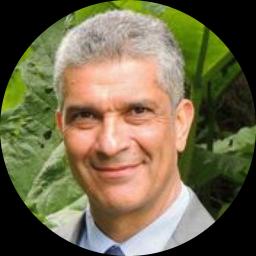
Counsellor and psychotherapist, MSc in Counselling, with 22 years' experience in addiction and related mental health concerns. José Pereira has worked in residential treatment settings and in senior clinical roles. He supports people dealing with stress, anxiety, addiction, relationship strain, family problems and depression. He speaks English, Portuguese, French and Spanish.
José spent much of his career in specialist addiction services. He worked as a counsellor, senior counsellor, head therapist and clinical manager. Those roles involved running teams, delivering individual therapy and leading psychoeducational groups and interpersonal therapy groups.
He describes his practice as integrative and draws on several methods when appropriate. The biography lists cognitive behavioural approaches, dialectical behaviour strategies, acceptance and commitment ideas, attachment-based perspectives and client-centred work among his tools. He has specific training in addiction counselling and experience with compulsive behaviours and substance problems.
In sessions he offers longer-term work when that suits the issue. That has included sustained one-to-one therapy to support recovery and behaviour change over time. He also runs workshops and group-based interpersonal programmes alongside individual counselling.
People meet him for help with issues such as abandonment and attachment difficulties, control and communication problems, co-morbidity and codependency, and problems linked to guilt, shame or family of origin. He also supports work around hoarding and recovery from drug and alcohol addiction.
Those seeking a multilingual therapist will find sessions available in Portuguese, Spanish, French and English. Readers who want to know the current session formats should confirm options before booking.
Sheet 2
Therapeutic approaches for remote sessions
Acceptance and Commitment Therapy (ACT) helps people notice unhelpful thoughts and commit to values-based action. It is often used for anxiety, stress and difficulties where avoidance keeps problems cycling. Attachment-Based Therapy focuses on patterns in relationships and early bonds and aims to help people understand how those patterns affect present behaviour and connection.Choosing the right approach is part of the work. The therapist will discuss goals, preferences and needs and then propose methods to try. That discussion is collaborative and can change as the work progresses.
The original biography does not list specific session formats for remote work. Confirm which formats are available before booking. In general, remote sessions can make it easier to fit appointments into a busy life, reduce travel time and allow for shorter check-ins when needed. The therapist's longer-term experience with addiction and recovery also means he can combine individual sessions with workshop or group options where appropriate and where those formats are offered.
Sheet 3
Areas of expertise
Primary focus
Additional focus areas
Therapeutic approaches
Experience
22+ years
Listed in
United Kingdom
Languages
English, Spanish, French, Portuguese
Sheet 4
Frequently asked questions
What concerns does he address?
He works with stress, anxiety, addictions, relationship and family problems, and depression. Additional focus areas include abandonment, attachment issues, codependency, hoarding and related concerns.
What style of therapy does he use?
He practises an integrative approach drawing on Acceptance and Commitment Therapy, Attachment-Based Therapy, Client-Centred Therapy, Cognitive Behavioural Therapy and Dialectical Behaviour Therapy. He adapts methods to the issue and the person.
How much clinical experience does he have?
He has 22 years of experience working in addiction services and related mental health settings. Much of that time was spent in residential treatment roles and senior clinical positions.
What are his credentials and where is he based?
He holds an MSc in Counselling and is listed with the BACP. He practises from the United Kingdom.
Which languages are offered in sessions?
Sessions are offered in English, Spanish, French and Portuguese. International clients are accepted.
What session formats are available?
The original biography does not specify session formats. Please confirm current options directly before booking.
How are fees handled?
Cost varies with location and sessions use a subscription model that can be cancelled at any time. Check the subscription terms for exact pricing details.
How do I begin working with him?
Start by selecting the See online therapy options button, completing a short matching questionnaire, and scheduling a first session. That process sets up the initial meeting.
Online talk therapy is not emergency care. If you are in danger, use the urgent help numbers.