Sheet 1
- Trauma informed
- Attachment focus
- Person centered
About Jonathan
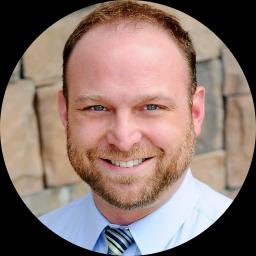
Licensed Professional Counselor (LPC) and Licensed Clinical Mental Health Counselor (LCMHC) with three years of clinical practice in Utah, Jonathan Rasbach works with adults on stress, anxiety, addictions, relationships, trauma and abuse, and self-esteem concerns. He also focuses on issues such as abandonment, attachment struggles, communication problems, forgiveness, guilt and shame, life purpose, men’s issues, midlife crisis, panic attacks, post-traumatic stress, sexuality, and social anxiety and phobia. Jonathan practices in English and does not accept international clients.
Jonathan uses a person-centered approach in session. He prioritizes straightforward conversation and practical steps. He draws on trauma-informed, attachment-based, and emotion-focused methods alongside cognitive approaches to address thinking patterns and emotional responses.
In a typical session he listens to what matters most right now, then helps set short-term goals and small actions people can try between meetings. Sessions combine talk, reflection, and skill practice aimed at reducing symptoms and improving communication. He offers options that integrate a client’s faith when that is requested.
He brings more than a decade of experience in mental healthcare roles and three years in clinical counseling work. His training and history inform how he assesses symptoms, tracks progress, and adjusts methods over time. Jonathan describes his style as authentic and person-centered, with attention to attachment dynamics and emotion regulation.
To begin, readers are asked to use the online matching steps to schedule an initial session. Cost varies by location and uses a subscription model that can be canceled at any time.
Sheet 2
Therapeutic approaches and how they work online
Jonathan draws on trauma-informed methods that focus on how past stressful experiences affect current reactions. These methods involve noticing triggers, learning grounding skills, and practicing ways to tolerate difficult feelings, which can help with post-traumatic stress and complicated trauma responses.He also uses attachment-based work to map relationship patterns and improve communication. This approach looks at how early relational experiences shape expectations and helps people try new ways of relating in present-day relationships, useful for abandonment concerns and ongoing conflict.
Choosing the right approach is a collaborative process. The therapist will review your goals and preferences, explain options, and adjust methods as you and he learn what is most helpful. Decisions about method and pace happen together rather than imposed up front.
Confirm session formats before booking since the biography does not specify them here. Online work can make it easier to fit sessions into busy schedules, shorten travel time, and allow quick check-ins when needed. Different formats also meet practical needs - for example, a phone check-in can be shorter and use less bandwidth, while a video session supports visual cues and extended conversation. Ask about available formats when you schedule to match sessions to your routine.
Sheet 3
Areas of expertise
Primary focus
Additional focus areas
Experience
3+ years
Listed in
Utah, Michigan
Languages
English
Sheet 4
Frequently asked questions
What concerns does he address?
He addresses stress, anxiety, addictions, relationship and trauma-related concerns, and self-esteem. Additional focus areas include attachment issues, panic attacks, post-traumatic stress, sexuality, and social anxiety.
What is his therapeutic approach?
He describes a person-centered style that is trauma-informed and attachment-aware. He also uses emotion-focused and cognitive-based techniques to help with emotions and thinking patterns.
How much clinical experience does he have?
He has three years of clinical counseling practice and over ten years of broader mental healthcare experience. That background informs his approach to assessment and treatment.
What credentials and location apply?
He holds LPC and LCMHC credentials and practices in Utah. The listing uses the abbreviations LPC and LCMHC as provided.
Which languages are sessions offered in?
Sessions are offered in English. International clients are not currently accepted.
What session formats are available?
The original biography does not list specific session formats. Confirm current session options before booking to verify phone, video, or in-person availability.
How does billing and cost work?
Cost varies with location and uses a subscription model. The subscription can be canceled at any time.
How do I get started with him?
Select the See online therapy options button, complete the short matching questionnaire, and schedule a first session. Those steps begin the intake and scheduling process.
Online talk therapy is not emergency care. If you are in danger, use the urgent help numbers.