Sheet 1
- CBT strategies
- Mindfulness tools
- Narrative work
About Gertrude
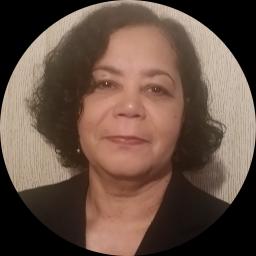
LCSW in Florida with six years of clinical experience, Gertrude Moore helps people facing stress, anxiety, family conflict, trauma and grief. She works with parents, adoptive and foster families, and adults navigating transitions and relationship concerns.
Moore uses straightforward, talk-based sessions to identify patterns that affect daily life. She listens for recurring problems and helps people develop practical skills for coping. Sessions often focus on managing anxiety, developing boundaries, and improving communication at home.
Her background includes work with adolescents and adults who have experienced domestic violence, adoption or foster care issues, and post-traumatic stress. She also supports caregivers dealing with fatigue and complex family dynamics. That experience informs how she approaches safety and pacing when trauma is part of someone's story.
Therapeutic methods include client-centered work, cognitive behavioral techniques, mindfulness practices, motivational interviewing, and narrative approaches. Moore blends these to match a person's goals rather than using one fixed method. Expect short exercises, reflective questions, and goal-focused planning during sessions.
She explains clinical ideas in plain language and sets clear, achievable steps between meetings. People often leave sessions with concrete strategies to try that week, such as breathing skills, small behavior changes, or communication scripts. The emphasis is on practical change and steady progress.
Sheet 2
Therapeutic approaches used in remote sessions
The therapist commonly draws on client-centered work, cognitive behavioral therapy, and mindfulness practices. Client-centered work focuses on listening closely and shaping sessions around the person's concerns. Cognitive behavioral therapy breaks problems into thoughts, feelings, and behaviors and uses small experiments to change unhelpful patterns. Mindfulness practices teach short skills for noticing breath, grounding, and reducing reactivity, which can help with anxiety and stress.Choosing the right approach is a collaborative process. The therapist will discuss goals and preferences, try methods that fit those goals, and adjust the work over time based on what helps most.
Session formats are not specified in the biography, so confirm current options before booking. Online work can make it easier to fit therapy into a busy week, allow shorter check-ins when needed, and reduce travel time. It can also let people practice communication and coping skills between sessions in their everyday environments.
Sheet 3
Areas of expertise
Primary focus
Additional focus areas
Therapeutic approaches
Experience
6+ years
Listed in
Florida
Languages
English
Sheet 4
Frequently asked questions
What concerns does she address?
She works with stress, anxiety, family conflict, trauma and grief. Additional focus areas include parenting, adoption and foster care issues, and post-traumatic stress.
What is her therapy style like?
Sessions are collaborative and practical. She uses client-centered conversation plus skills from cognitive behavioral and mindfulness approaches.
How much clinical experience does she have?
She has six years of experience as a clinical social worker. That work has included supporting people affected by domestic violence and those in adoptive and foster families.
What credential and location does she hold?
She is an LCSW licensed in Florida. Her practice is based in Florida.
Which languages are supported?
Sessions are offered in English.
Does she work with international clients?
She is not currently accepting international clients.
How are sessions priced?
Cost varies with location and sessions use a subscription that can be canceled at any time.
How do I begin working with her?
Use the See online therapy options button, complete a short matching questionnaire, and schedule a first session.
Online talk therapy is not emergency care. If you are in danger, use the urgent help numbers.