Sheet 1
- Stress and anxiety
- Trauma and grief
- CBT and ACT methods
About Doreen
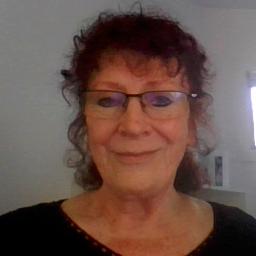
PACFA counsellor with 25 years' experience, Doreen Patenall helps people manage stress, anxiety, relationship concerns, trauma and grief. She works with individuals who are trying to cope with panic, post-traumatic stress or the fallout from separation. Sessions focus on practical skills and clearer communication rather than labels or jargon.
Clients can expect straightforward conversation and collaborative planning. Doreen uses a mix of approaches including acceptance and commitment strategies, cognitive behavioural techniques and attachment-based ideas to guide work on patterns and reactions. She also draws on dialectical behaviour methods and a client-centred stance when clients need emotional regulation or a space to be heard.
Her practice addresses a wide range of concerns beyond core areas. These include body image, control issues, guilt and shame, social anxiety and life-purpose questions. She also supports people facing end-of-life and hospice-related topics, and those dealing with forgiveness or isolation.
Sessions tend to balance practical exercises with reflective discussion. Techniques might include values clarification, behavioural experiments, grounding skills and communication practice. The aim is to give manageable steps a person can try between meetings.
Costs vary with location and sessions run on a subscription model that can be cancelled at any time. International clients are not accepted. To begin, clients complete a short matching questionnaire and schedule a first session via the See online therapy options button.
Sheet 2
How her therapeutic approaches work for remote sessions
Acceptance and Commitment Therapy (ACT) helps people clarify what matters to them and take small committed actions. It is useful for anxiety, avoidance and finding direction when life feels stuck. Cognitive Behavioural Therapy (CBT) focuses on spotting thoughts and testing them with real-life experiments. It is commonly used for panic, social anxiety and unhelpful thought patterns. Attachment-Based Therapy looks at how early relationships affect current patterns and can help with relationship problems and trust issues.Choosing an approach is collaborative. The therapist will talk through your goals and preferences and recommend which methods to try first. Plans can change as you learn what helps and what feels practical in day-to-day life.
The biography does not list specific session formats, so confirm current options before booking. Online sessions can make it easier to fit appointments around work or family life, reduce travel time and allow shorter check-ins when needed. Many people find remote work makes it simpler to practise skills between meetings and to involve practical tasks that fit into a normal week.
Sheet 3
Areas of expertise
Primary focus
Additional focus areas
Therapeutic approaches
Experience
25+ years
Listed in
Australia
Languages
English
Sheet 4
Frequently asked questions
What concerns does she address?
She works with stress, anxiety, relationship issues, trauma and grief. Additional focus areas include body image, panic attacks and social anxiety.
What therapeutic approaches does she use?
Her practice draws on Acceptance and Commitment Therapy, Cognitive Behavioural Therapy and Attachment-Based approaches. Dialectical Behaviour Therapy and Client-Centred Therapy are also used when helpful.
How much experience does she have?
She has 25 years of professional experience in Australia working with the listed concerns.
What credential does she hold and where is she based?
She is PACFA credentialed and based in Australia.
Which languages are supported?
Sessions are offered in English.
Does she accept clients outside Australia?
International clients are not currently accepted.
How are sessions charged?
Costs vary with location and sessions use a subscription that can be cancelled at any time.
How do I start a first session?
Select the See online therapy options button, complete a short matching questionnaire, and schedule a first session.
Online talk therapy is not emergency care. If you are in danger, use the urgent help numbers.