Sheet 1
- Client-Centered Therapy
- Cognitive Behavioral Therapy
- EMDR and mindfulness
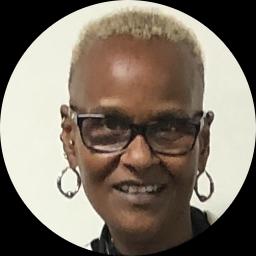
About Donna
Licensed Clinical Professional Counselor (LCPC) and Licensed Professional Counselor (LPC) with 26 years of experience based in the District of Columbia, Donna Coakley focuses on stress, anxiety, trauma and abuse, self-esteem, depression, ADHD, addictions, relationships, family concerns, intimacy-related issues, sleep problems, and parenting. She uses Client-Centered Therapy, Cognitive Behavioral Therapy (CBT), Dialectical Behavior Therapy (DBT), EMDR, and Mindfulness Therapy in her work and speaks English. Donna accepts international clients and holds licensure in the District of Columbia, Maryland, and Virginia.
Donna’s sessions center on straightforward conversation and collaborative problem solving. She listens to what is happening now, what has happened before, and what the person wants to change. Practical steps and skills are offered when they fit the situation. She draws on CBT to address thinking patterns and behavior, and on DBT and mindfulness to build coping skills.
When trauma is part of the story, EMDR is one of the options she may use alongside other methods. For substance concerns and process addictions she integrates motivational and behavioral techniques to address use patterns and triggers. Work on relationships and parenting focuses on communication and manageable changes people can try between sessions.
Donna has long experience with military populations and first responder issues, and she brings that background to care for people facing service-related stress. Her approach avoids labels and aims to treat people with respect and sensitivity while working toward concrete goals.
To begin, clients complete a brief matching questionnaire and schedule a first session. Costs vary by location and sessions use a subscription that can be canceled at any time.
Sheet 2
How her approaches translate to online sessions
Client-Centered Therapy focuses on open, respectful conversation and helping people set their own goals. In an online session this means time spent listening, reflecting, and deciding together what to work on next. Cognitive Behavioral Therapy (CBT) targets thoughts and behaviors with concrete exercises and homework. Online CBT sessions often include reviewing thought records, practicing behavioral tasks between meetings, and checking progress in follow-up conversations.Dialectical Behavior Therapy (DBT) teaches skills for emotion regulation, distress tolerance, and interpersonal effectiveness. Online DBT-style work emphasizes practicing skills in daily life and then bringing results back to sessions for refinement. These approaches suit issues such as anxiety, depression, trauma-related symptoms, addictive behaviors, and relationship or parenting challenges because they combine talk with clear, repeatable strategies.
Finding the right mix of methods is collaborative. The therapist will discuss goals, preferences, and the problem areas to decide which approaches to use. That process can change over time as needs evolve and as skills build.
The biography does not specify session formats, so confirm current options before booking. Online work can make it easier to fit sessions into a busy day - for example shorter check-ins during a lunch break, or meetings that avoid travel time. It can also let people use phone or lower-bandwidth connections when that better fits their routine.
Sheet 3
Areas of expertise
Also works with
Additional focus areas
Therapeutic approaches
Experience
26+ years
Listed in
District of Columbia, Maryland, Virginia
Languages
English
Sheet 4
Frequently asked questions
What concerns does she address?
She works with stress, anxiety, trauma and abuse, depression, self-esteem, ADHD, addictions, relationship and family difficulties, intimacy issues, sleep problems, and parenting concerns.
What is her therapy approach and style?
Her approach combines Client-Centered Therapy, Cognitive Behavioral Therapy (CBT), Dialectical Behavior Therapy (DBT), EMDR, and Mindfulness Therapy. She uses conversation and practical skills-building to address problems.
How much experience does she have?
She has 26 years of clinical experience working with a wide range of concerns and populations, including long experience with military and first responder issues.
What are her credentials and where is she located?
She holds LCPC and LPC credentials and is licensed in the District of Columbia, Maryland, and Virginia. Her practice is based in the District of Columbia.
Which languages are supported during sessions?
Sessions are offered in English and international clients are accepted.
What session formats are offered?
The original biography does not list specific session formats. Please confirm current session options before booking.
How are fees handled?
Costs vary with location and sessions use a subscription model that can be canceled at any time.
How do I get started with a first session?
Begin by selecting the See online therapy options button, complete a short matching questionnaire, and schedule your initial session.
Online talk therapy is not emergency care. If you are in danger, use the urgent help numbers.