Sheet 1
- CBT methods
- Solution-focused work
- Uses hypnotherapy
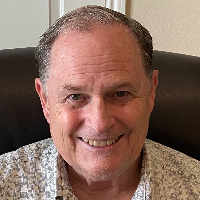
About Donald
LMFT (Licensed Marriage and Family Therapist) in Texas with 37 years of experience. Donald Macleod helps people with relationship and family concerns, trauma and abuse, grief, intimacy-related issues, stress, anxiety, parenting, anger, self-esteem, depression, and coping with life changes.
Donald uses straightforward, goal-focused methods. He draws from Cognitive Behavioral Therapy, Client-Centered techniques, Solution-Focused Therapy, and hypnotherapy when appropriate. Sessions focus on practical steps people can try between meetings and on clarifying what a person wants to change.
He offers individual and marriage and family therapy work and will refer to other professionals when a different service is needed. His approach is direct and collaborative - he partners with clients on clear goals and measurable steps rather than open-ended exploration alone.
Donald emphasizes short-term, strategic work when it fits the concern, and he will also support longer conversations about attachment, family of origin, and persistent patterns. He addresses specific issues like infidelity, communication problems, blended family stress, fatherhood concerns, abandonment, and aging-related questions.
Clients can expect sessions that identify what is working, what is not, and which small changes could improve daily life. Donald values motivation and active participation from the person seeking help. He will discuss referrals when a problem is outside his scope or would be better served by another specialist.
Sheet 2
How his approaches translate to online work
Client-Centered Therapy is about listening and responding to what the person says. In practice this means the therapist reflects back what he hears and helps clients clarify values and goals. Cognitive Behavioral Therapy focuses on the links between thoughts, feelings, and behaviors and offers concrete exercises to change unhelpful patterns; it is useful for anxiety, depression, and stress-related concerns.Finding the right approach is part of the work together. Donald will review needs, goals, and preferences and recommend which methods to try first. That recommendation is collaborative and can change as therapy progresses.
The biography does not list specific session formats, so confirm current options before booking. Online sessions can make it easier to fit meetings around work, school, or caregiving by removing travel time. Some formats are better for short check-ins or when bandwidth is limited, while others suit longer therapeutic work that uses video and shared materials. The emphasis is on practical access and on shaping sessions to match daily life rather than on a single fixed arrangement.
Sheet 3
Areas of expertise
Primary focus
Also works with
Additional focus areas
Therapeutic approaches
Experience
37+ years
Listed in
Texas
Languages
English
Sheet 4
Frequently asked questions
What concerns does he address?
He supports people with relationship and family issues, trauma and abuse, grief, intimacy concerns, stress, anxiety, parenting, anger, low self-esteem, depression, and life changes.
What is his therapeutic style?
He uses a direct, goal-focused style that combines Client-Centered listening with cognitive-behavioral and solution-focused techniques. Sessions emphasize practical steps and measurable progress.
How much experience does he have?
He has 37 years of clinical experience providing individual, marriage, and family therapy.
What credential and location does he hold?
He is an LMFT licensed in Texas and practices from that state.
Which languages are used in sessions?
Sessions are offered in English only.
What session formats are offered?
The original biography does not list specific session formats. Confirm the current session options before booking.
How does billing and cost work?
Cost varies with location and sessions use a subscription that can be canceled at any time.
How do I begin working with him?
Use the See online therapy options button, complete a short matching questionnaire, and then schedule a first session.
Online talk therapy is not emergency care. If you are in danger, use the urgent help numbers.