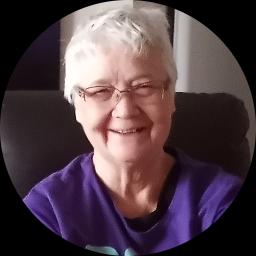
Sheet 1
- Client-Centered Therapy
- Cognitive Behavioral Therapy
- English sessions
About Darlene
Dr. Darlene Hopkins is an LCMHC in North Carolina with 43 years of clinical experience. She focuses on stress, anxiety, relationships, trauma and abuse, self-esteem, and depression. Dr. Hopkins combines a conversational style with structured techniques to help people find clearer paths forward.
She listens first and teaches skills next. Sessions typically begin with what feels most urgent and then move into specific steps to reduce distress. Dr. Hopkins uses Client-Centered Therapy to follow the client's pace and Cognitive Behavioral Therapy to identify thoughts and actions that keep problems going.
People who come to her often want practical changes. She works with concerns such as attachment issues, avoidant and dependent personality patterns, codependency, and communication problems. She also helps people facing chronic illness, body image struggles, addiction, eating-related issues, and the aftermath of domestic violence or separation.
Her long experience shapes a steady approach. She aims to repair connections, settle conflicts, and point to workable next moves. Sessions involve talk, reflection, and learning new ways of responding to old patterns.
To begin, a person completes a short matching questionnaire and schedules a first session. The practice uses a subscription model that can be canceled at any time, with costs that vary by location.
Sheet 2
How her approaches shape online work
Client-Centered Therapy focuses on following the client's lead and responding to what they say. In practice this means the therapist listens, reflects what she hears, and lets the person set the pace and topics. This approach helps when someone needs understanding and space to sort feelings.Cognitive Behavioral Therapy (CBT) looks at the links between thoughts, feelings, and actions. Sessions using CBT identify unhelpful thinking patterns and practice small behavioral changes. That method is useful for anxiety, depression, and repetitive relationship problems.
Finding the right approach is part of the work together. Dr. Hopkins will discuss goals and preferences and adapt methods so they fit the person's concerns and daily life. That decision is collaborative and can shift as therapy progresses.
The biography does not list specific session formats, so confirm available options before booking. Online sessions can make it easier to fit therapy into a workday or a care schedule, reduce travel time, and allow shorter check-ins when needed. Licensed professionals commonly tailor session length and focus to what fits a person's routine rather than forcing a different schedule.
Sheet 3
Areas of expertise
Primary focus
Additional focus areas
Therapeutic approaches
Experience
43+ years
Listed in
North Carolina
Languages
English
Sheet 4
Frequently asked questions
What concerns does she address?
She focuses on stress, anxiety, relationship issues, trauma and abuse, self-esteem, and depression. Additional areas include attachment problems, addiction, body image, and chronic illness-related challenges.
What is her therapeutic style?
She blends Client-Centered Therapy with Cognitive Behavioral Therapy (CBT). That means listening closely and then teaching practical skills to change thoughts and behaviors.
How long has she practiced?
She has 43 years of experience working with people on a wide range of emotional and relational concerns.
What are her credentials and where is she based?
She is an LCMHC licensed in North Carolina. Her practice is located in North Carolina.
Which languages are offered?
Sessions are offered in English. International clients are not accepted.
What session formats are available?
The original biography does not specify session formats. Confirm current session options before booking to know which formats are offered.
How are sessions priced?
Cost varies with location. Sessions use a subscription that can be canceled at any time.
How do I start working with her?
Select the See online therapy options button, complete a short matching questionnaire, and schedule a first session.
Online talk therapy is not emergency care. If you are in danger, use the urgent help numbers.