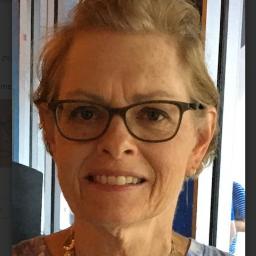
Sheet 1
- Client-Centered Therapy
- Self-esteem work
- Coping with change
About Caryl
LCSW in Florida with 5 years of experience, Caryl Brady focuses on stress, anxiety, grief, self-esteem, depression, and coping with life changes. She works with people facing mood shifts, midlife transitions, pregnancy and childbirth concerns, and relationship-related struggles like attachment and abandonment. Sessions emphasize the client's perspective and strengths.
Caryl uses Client-Centered Therapy and centers conversations on what matters most to each person. She treats the client as the expert on their own life and helps them notice strengths they can use to move forward. Conversations are practical and grounded, aimed at clearer thinking and better day-to-day coping.
Many people come to her for help with overwhelming emotions, loneliness, or guilt and shame. She also supports those wrestling with control issues, questions of forgiveness, and finding life purpose. Work often includes naming patterns, trying small behavior changes, and practicing new ways to relate to oneself.
Her approach is straightforward. She listens closely and reflects what she hears. Then she and the client decide on small steps to test between sessions. Progress is tracked in simple, observable ways rather than abstract promises.
Caryl works in English and practices in Florida as an LCSW. She has five years of clinical experience. To begin, clients complete a short matching questionnaire and schedule a first session through the platform.
Sheet 2
Client-centered approaches and what online sessions look like
Client-Centered Therapy puts the client's perspective at the center. The therapist listens and reflects what she hears, helping people clarify their goals and notice their strengths. This approach is often used for concerns like anxiety, grief, low self-esteem, and life transitions because it focuses on the client's own priorities and pace.Finding the right approach is part of the work together. The therapist will compare the Client-Centered way of working with the client's needs and preferences. They will decide collaboratively which steps to try and adjust as progress is observed.
Practical benefits of online sessions include easier fit into a busy week and fewer logistics around travel. Because session formats were not specified in the biography, confirm current session options before booking. Many people find remote sessions helpful for keeping continuity during life changes, fitting a short check-in into a lunch break, or having a session when travel would otherwise be difficult.
Sheet 3
Areas of expertise
Additional focus areas
Therapeutic approaches
Experience
5+ years
Listed in
Florida
Languages
English
Sheet 4
Frequently asked questions
What concerns does she address?
She helps people with stress, anxiety, grief, self-esteem, depression, and coping with life changes. Additional focus areas include attachment, abandonment, guilt and shame, isolation, and women's issues.
What style of therapy does she use?
She practices Client-Centered Therapy, which centers the client's experience and strengths. Sessions emphasize listening, reflection, and collaborative planning.
How much clinical experience does she have?
She has five years of professional work experience as a licensed clinician. That experience informs her practical, strengths-focused approach.
What are her credentials and where does she practice?
She is an LCSW licensed in Florida and provides services to clients in that state. The credential shown is FL LCSW.
Which languages are supported?
Sessions are offered in English.
Can international clients work with her?
She does not accept international clients at this time.
How are sessions scheduled and paid for?
Costs vary with location and sessions use a subscription model that can be canceled at any time. Exact pricing is provided during the matching and scheduling steps.
How do I begin working with her?
Start by selecting the See online therapy options button, completing a short matching questionnaire, and scheduling a first session.
Online talk therapy is not emergency care. If you are in danger, use the urgent help numbers.