Sheet 1
- Positive psychology
- Life transition coaching
- Goal focused work
About Tekeah
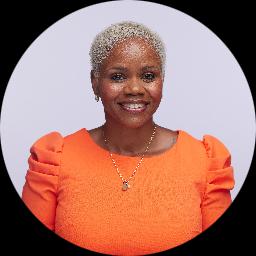
LCSW-C (Maryland) and LICSW (District of Columbia) clinician with 15 years of experience helping people manage stress, anxiety, grief, depression, and life transitions. Tekeah Mason focuses on practical support for everyday problems like relationship strain, mood shifts, and coping with big changes.
Tekeah uses principles from positive psychology and life-transition coaching to guide sessions. She works with clients to set clear, manageable goals and to build skills that can be used between meetings. Conversations are collaborative and action-oriented, with an emphasis on what to try next rather than lengthy theory.
Common topics include body image, communication problems, control issues, guilt and shame, loneliness, and questions about life purpose. Sessions typically cover coping strategies, mood regulation techniques, and ways to improve how clients relate to others. The focus is on practical steps that fit into daily life.
Tekeah’s background spans clinical social work and applied positive psychology in Maryland and the District of Columbia. Her experience includes supporting people through loss and periods of major change, and helping them rebuild routines and meaning after disruption.
People who prefer direct, skills-based work tend to find this approach useful. The process involves identifying patterns, trying specific exercises, and tracking small changes over time. Prospective clients should confirm current session formats before booking.
Sheet 2
How her approaches translate to online work
Two of the primary methods she uses are positive psychology and life-transition coaching. Positive psychology focuses on identifying strengths and increasing behaviors that boost well-being, which can help with low mood, motivation, and building more satisfying daily routines. Life-transition coaching emphasizes practical planning and skill building to manage change, such as navigating loss, career shifts, or major life adjustments.Finding the right approach is part of the process. The therapist will work with each person to clarify goals and test which techniques help most. That way sessions remain collaborative and adjust as needs and priorities change.
Session logistics should be confirmed before booking since formats are not listed here. Many people find remote sessions helpful because they can fit meetings into work breaks, avoid travel time, or choose shorter check-ins when needed. If you want to know whether video, phone, or another option is offered, confirm the current session options when you schedule.
Sheet 3
Areas of expertise
Primary focus
Additional focus areas
Experience
15+ years
Listed in
Maryland, District of Columbia
Languages
English
Sheet 4
Frequently asked questions
What concerns does she address?
She works with stress, anxiety, relationship issues, grief, depression, and life transitions. Additional focuses include body image, communication, control issues, guilt and shame, loneliness, life purpose, mood disorders, self-love, and social anxiety.
What is her therapeutic style?
Her style draws on positive psychology and life-transition coaching to set concrete goals and build practical skills. Sessions are collaborative and action-oriented.
How much experience does she have?
She has 15 years of professional experience in clinical social work and applied positive psychology.
What credentials and region does she represent?
She holds LCSW-C in Maryland and LICSW in the District of Columbia and practices from Maryland.
Which languages are supported?
Sessions are offered in English only.
Can international clients work with her?
She does not accept international clients at this time.
What session formats are available?
Current session formats are not specified here; prospective clients should confirm available formats before booking.
How are fees and starting steps handled?
Cost varies with location and sessions use a subscription that can be canceled at any time. To begin, select the See online therapy options button, complete a short matching questionnaire, and schedule a first session.
Online talk therapy is not emergency care. If you are in danger, use the urgent help numbers.