Sheet 1
- ACT and CBT
- DBT skills
- Attachment focus
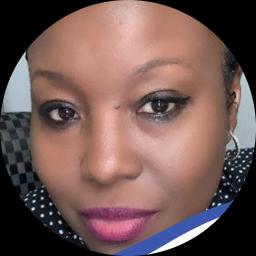
About Sharon
LMHC licensed in Florida with 23 years of professional experience, Sharon Forde Marshall helps people address stress, anxiety, relationship and family concerns, and issues with self-esteem and coping with life changes. She uses a mix of evidence-based approaches to guide conversations and practical skill-building.
Sharon draws on Acceptance and Commitment Therapy (ACT), Cognitive Behavioral Therapy (CBT), Dialectical Behavior Therapy (DBT), Attachment-Based Therapy, and Client-Centered Therapy. In sessions she focuses on clear goals, practical strategies, and noticing how thoughts and behaviors affect daily life. She invites people to try small, manageable steps between meetings.
Her work includes attention to abandonment, adoption and foster care, body image, caregiver stress, communication and control problems, divorce and separation, family problems, and immigration-related concerns. She also addresses infidelity, jealousy, impulsivity, forgiveness, life purpose, and midlife transitions. Conversations can cover immediate coping skills and longer-term patterns alike.
Sharon uses straightforward conversation and evidence-informed techniques rather than jargon. She helps people identify what matters to them and what gets in the way. Progress is tracked with practical tasks and repeated check-ins.
People who choose her can expect a focused, goal-oriented approach that balances skill teaching with reflective work. Her method aims to fit with each person's daily life and responsibilities. To begin, prospective clients follow the practice's intake steps to schedule a first session.
Sheet 2
How therapeutic approaches are used in online sessions
Acceptance and Commitment Therapy (ACT) emphasizes identifying personal values and taking small steps toward them. Online work with ACT often uses exercises and between-session tasks to notice unhelpful thoughts and move toward meaningful action. Cognitive Behavioral Therapy (CBT) focuses on the link between thoughts, feelings, and behaviors, and it uses practical tools such as thought records and behavior experiments that transfer well to remote sessions. Dialectical Behavior Therapy (DBT) offers specific skills for emotion regulation, distress tolerance, and interpersonal effectiveness, which can be taught, practiced, and reviewed in regular remote meetings.Choosing the right approach is part of the work together. The therapist will discuss goals, preferences, and what methods feel most useful. That collaborative process helps shape which techniques are emphasized and how sessions are structured.
The original biography did not list specific session formats, so confirm current options before booking. Online care can make it easier to fit sessions into a busy life by removing travel time and allowing meetings during lunch breaks or from another convenient location. Video sessions let the therapist use worksheets and visual tools, while phone check-ins can be a shorter option when bandwidth or screen time is limited. These practical benefits help integrate therapeutic work with everyday routines.
Sheet 3
Areas of expertise
Primary focus
Additional focus areas
Therapeutic approaches
Experience
23+ years
Listed in
Florida
Languages
English
Sheet 4
Frequently asked questions
What kinds of concerns does she address?
She works with stress, anxiety, relationship and family concerns, self-esteem, and coping with life changes. Additional focus areas include abandonment, adoption and foster care, body image, caregiver stress, and related topics.
What therapy approaches does she use?
Her practice uses Acceptance and Commitment Therapy (ACT), Cognitive Behavioral Therapy (CBT), Dialectical Behavior Therapy (DBT), Attachment-Based Therapy, and Client-Centered Therapy. These methods are combined to match practical goals and skills work.
How much experience does she have?
She has 23 years of professional experience working with the listed concerns. That history informs her use of goal-setting and skill-based techniques.
Where is she licensed and located?
She is a Licensed Mental Health Counselor (LMHC) licensed in Florida. The practice is based in Florida for licensure purposes.
Which languages are supported?
Sessions are offered in English. International clients are accepted alongside U.S. clients.
What session formats are offered?
The original biography does not list specific session formats. Please confirm current session options before booking.
How are costs handled?
Cost varies with location and sessions use a subscription that can be canceled at any time. Exact pricing depends on the chosen plan and location.
How do I get started?
Select the See online therapy options button, complete a short matching questionnaire, and schedule a first session. That process begins the intake and matching steps.
Online talk therapy is not emergency care. If you are in danger, use the urgent help numbers.