Sheet 1
- CBT methods
- Gottman approach
- Grief work
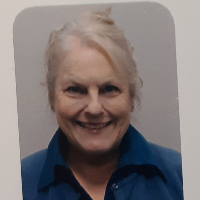
About Sarah
LMHC in Washington with 27 years of practice experience, Sarah Ross focuses on stress, anxiety, relationships, family concerns, grief, and life transitions. She has worked in community mental health, drug court settings, marital counseling centers, and private practice. Sarah uses several approaches including client-centered work, cognitive behavioral techniques, mindfulness, psychodynamic ideas, and the Gottman Method.
Sarah describes herself as an interactive therapist who looks for blind spots clients may not see. She helps people notice unhelpful patterns and offers moments of new insight. She emphasizes that change takes commitment from both the client and the counselor rather than quick fixes.
Her background includes roles such as clinical supervisor, clinic director, and certified thanatologist focused on grief and loss. She has experience collaborating with substance use counselors and supporting people referred through drug court. She has worked with people facing depression, anxiety, relationship strains, family problems, and low self-esteem.
In sessions she mixes approaches to match how each person learns. That may mean using clear behavioral steps, talking about early life influences, practicing mindful awareness, or teaching communication skills used in couples work. She also draws on the Gottman Method when relationship communication and conflict patterns are the focus.
Sarah pays particular attention to parenting challenges, blended family issues, compassion fatigue, and grief. She supports people coping with workplace stress, career decisions, and major life changes. Initial steps include a short matching questionnaire and scheduling a first session to decide goals and approach.
Sheet 2
How Sarah’s approaches translate to online sessions
Sarah often uses client-centered work and cognitive behavioral therapy in her practice. Client-centered work focuses on listening, reflecting what the person says, and helping them feel understood so they can find their own solutions. Cognitive behavioral therapy breaks problems into thoughts, feelings, and behaviors and uses small, practical steps to shift unhelpful patterns.She also uses the Gottman Method for relationship communication and conflict skills when that is relevant. The Gottman approach involves concrete exercises for improving how partners talk and handle disagreements, and it can help when communication problems or commitment issues are central concerns.
Finding the right approach is part of the work. She will collaborate with each person to choose methods that fit their goals, learning style, and life circumstances. That might mean leaning on behavioral techniques for anxiety, mindful practices for stress, or psychodynamic reflection for family-of-origin issues.
Session formats are not specified in the biography, so confirm current options before booking. Online work can make it easier to fit sessions into a busy week, allow shorter check-ins when needed, and reduce travel time. The therapist will discuss which format and pacing best fit the person's schedule and treatment goals.
Sheet 3
Areas of expertise
Primary focus
Also works with
Additional focus areas
Therapeutic approaches
Experience
27+ years
Listed in
Washington
Languages
English
Sheet 4
Frequently asked questions
What concerns does she address?
Sarah focuses on stress, anxiety, relationship and family concerns, depression, trauma and grief, parenting, career issues, and compassion fatigue.
What is her therapeutic style?
She describes an interactive, client-centered style that highlights blind spots and combines practical techniques with reflective work.
How much experience does she have?
She has 27 years of experience as a licensed mental health counselor beginning in 2003.
What credentials and location are listed?
She is an LMHC licensed in Washington and practices in that state.
Which languages are used in sessions?
Sessions are offered in English.
Does she work with international clients?
International clients are not currently accepted.
How are sessions priced?
Cost varies with location and sessions use a subscription model that can be canceled at any time.
What are the steps to begin?
Choose the See online therapy options button, complete a short matching questionnaire, and schedule a first session.
Online talk therapy is not emergency care. If you are in danger, use the urgent help numbers.