Sheet 1
- CBT methods
- Strengths focus
- Breathing exercises
About Reba
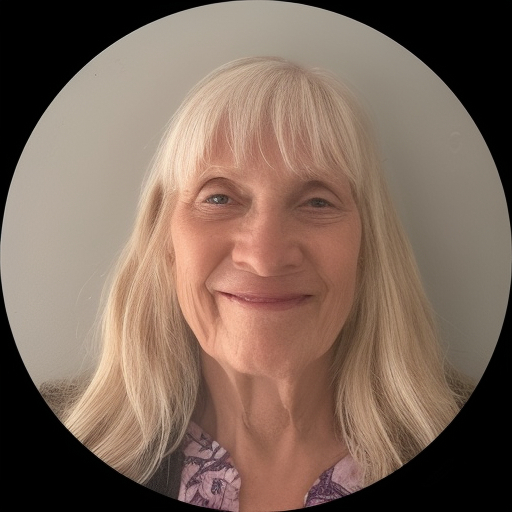
LCSW in Maine with five years' experience, Reba Parla helps people manage stress, anxiety, anger, low self-esteem, depression, and ADHD using practical, evidence-based techniques. She emphasizes clients' past successes and works with breathing and affirmation exercises alongside talk-based work. Sessions are interactive and include regular check-ins to make sure the session is addressing current needs.
Parla describes her practice as strengths-focused and uses cognitive behavioral therapy alongside strengths-based tools to support change. That means she helps people notice patterns of thought and behavior, try different responses, and build on what already works for them. Breathing and brief exercises are used in-session to help with regulation and to teach skills people can use between meetings.
She keeps sessions collaborative. Clients can expect her to check in about goals and to adjust the approach if something isn’t helping. The emphasis on past successes is used to build confidence and practical next steps rather than only reviewing problems.
Reba works with a range of mood and behavioral concerns, including seasonal mood shifts, impulsivity, and issues tied to family or relationship dynamics. She also supports people facing aging and geriatric concerns and those managing intellectual disability-related challenges, focusing on clear, concrete strategies.
Sessions are conducted in English and she practices in Maine. Her LCSW credential stands for Licensed Clinical Social Worker and reflects her clinical role. To begin, people select a matching questionnaire and schedule an initial session.
Sheet 2
How Reba Parla uses evidence-based techniques in remote work
Reba works with cognitive behavioral methods that focus on identifying and changing unhelpful thought and behavior patterns. CBT-style work often involves tracking thoughts, testing assumptions, and trying new behaviors between sessions to reduce anxiety and improve mood.She also uses a strengths-based approach that highlights past successes and abilities. That approach looks for existing skills a person can use more intentionally, and it supports building small, achievable steps toward longer-term change.
Finding the right approach is part of the early work. She will review goals, try strategies like breathing exercises or thought records, and adjust methods based on what the client finds helpful. This is collaborative rather than prescriptive, and the plan can change as needs and preferences become clearer.
The biography does not list specific session formats. Confirm the available session options before booking. Online work can make it easier to fit therapy into a busy life and can reduce travel time. It can also allow for shorter check-ins on a break, or sessions that do not require being on camera if that is preferred.
Sheet 3
Areas of expertise
Primary focus
Additional focus areas
Experience
5+ years
Listed in
Maine
Languages
English
Sheet 4
Frequently asked questions
What concerns does she address?
She addresses stress, anxiety, anger, low self-esteem, depression, and ADHD, plus related issues such as mood disorders, impulsivity, and seasonal affective disorder.
What therapeutic style does she use?
Her style combines cognitive behavioral therapy with a strengths-based approach, using breathwork and affirmation exercises in sessions.
How much clinical experience does she have?
She has five years of experience working as a clinician in mental health settings.
What are her credentials and base location?
She is an LCSW, which stands for Licensed Clinical Social Worker, and she practices in Maine.
Which languages are supported?
Sessions are offered in English.
Can international clients work with her?
She does not accept international clients at this time.
What are the session formats?
Session formats are not specified in the biography; confirm current session options before booking.
How are fees handled and how do I start?
Cost varies by location and sessions use a subscription that can be canceled at any time. To begin, complete the short matching questionnaire and schedule a first session via the See online therapy options button.
Online talk therapy is not emergency care. If you are in danger, use the urgent help numbers.