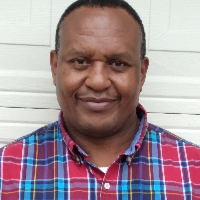
Sheet 1
- CBT
- DBT skills
- Motivational interviewing
About Peter
Licensed Professional Counselor (LPC) in Texas with seven years of experience, Peter Mburu helps people manage stress, anxiety, addiction, mood disorders, and trauma. He works with adults on issues such as sleep problems, relationship stress, grief, parenting strain, and work-related concerns. Peter speaks English, Kikuyu, and Swahili and accepts international clients.
Peter uses clear, skills-based methods in sessions. He draws on Cognitive Behavioral Therapy (CBT) to identify unhelpful thinking and test new behaviors. He uses Dialectical Behavior Therapy (DBT) skills for emotional regulation and distress tolerance. Motivational Interviewing supports people working through substance use changes.
He has experience with young adults experiencing early-onset psychosis and with people facing chemical dependence. He has worked with international students, refugees, and people coping with serious medical conditions. He also brings seminary training to faith-related counseling conversations.
Sessions focus on practical coping skills and step-by-step strategies. Peter helps people set small goals, practice skills between meetings, and track progress over time. He explains techniques plainly and checks in about what is and isn’t working.
Clients can expect direct feedback and collaborative problem solving. Peter’s approach centers on concrete tools from CBT, DBT, and Motivational Interviewing, along with solution-focused steps when appropriate. He aims to help people build routines and skills that fit everyday life.
Sheet 2
How his therapeutic methods work in online sessions
Acceptance and Commitment Therapy (ACT) focuses on noticing thoughts and values-driven action rather than getting stuck on changing every thought. It can help when stress, depression, or life transitions leave people feeling stalled. Cognitive Behavioral Therapy (CBT) breaks problems into thoughts, feelings, and actions and uses simple experiments and practice to shift patterns. CBT is often used for anxiety, mood issues, and sleep problems. Dialectical Behavior Therapy (DBT) skills teach emotional regulation, distress tolerance, and interpersonal effectiveness through short practice exercises the client can use between meetings.Finding the right approach is part of the work. Peter will discuss what methods fit a person’s goals and preferences and adjust techniques as needed. He collaborates on goals, sets small steps, and reviews what helps during follow-ups.
Confirm the formats offered before booking to match scheduling needs. Online sessions can make it easier to fit meetings into a weekday break, reduce travel, or use shorter check-ins when time is limited. Ask about language options and any regional considerations when arranging sessions so practical details are clear.
Sheet 3
Areas of expertise
Primary focus
Also works with
Additional focus areas
Therapeutic approaches
Experience
7+ years
Listed in
Texas
Languages
English, Kikuyu, Swahili
Sheet 4
Frequently asked questions
What kinds of problems does he support?
He works with adults on stress, anxiety, addiction, mood concerns, trauma, sleep problems, grief, relationship strain, parenting stress, and related issues.
How does he approach therapy?
He uses practical, skills-based methods including Cognitive Behavioral Therapy, Dialectical Behavior Therapy skills, Motivational Interviewing, Acceptance and Commitment Therapy ideas, and solution-focused techniques.
How much clinical experience does he have?
He has seven years of clinical experience, including recent work with young adults experiencing early-onset psychosis and people with chemical dependence.
What credentials and location are listed?
He is a Licensed Professional Counselor (LPC) in Texas, and he practices from Texas.
Which languages are available for sessions?
Sessions are offered in English, Kikuyu, and Swahili.
Can people outside the United States work with him?
International clients are accepted; confirm any regional or licensing details that might affect care when arranging sessions.
How are sessions scheduled and paid for?
Sessions use a subscription that can be canceled at any time and costs vary with location.
What are the first steps to begin?
Select the See online therapy options button, complete the short matching questionnaire, and schedule the first session.
Online talk therapy is not emergency care. If you are in danger, use the urgent help numbers.