Sheet 1
- Stress and anxiety
- Self esteem work
- Career and life changes
About Patrice
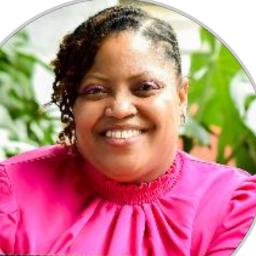
Florida LMHC with 10 years of clinical experience, Patrice Brantley focuses on stress, anxiety, self-esteem, career concerns, and coping with life changes. She works with people who are also dealing with depression, parenting strain, ADHD, relationship and intimacy-related issues, and identity matters such as LGBT concerns.
Patrice uses practical talk therapy aimed at clear goals. She draws on client-centered work to follow each person's pace, and she incorporates cognitive behavioral techniques to address unhelpful thoughts and behaviors. She also uses elements of dialectical behavior therapy and mindfulness to teach emotion regulation and present-moment skills.
Sessions are conversational and goal-focused. Patrice helps clients name priorities, try small changes, and track what works. She blends coaching-style prompts with therapeutic tools when people want both support and actionable steps.
Her approach pays attention to life context, including work, finances, parenting roles, and cultural background. She helps people sort through guilt, forgiveness, commitment questions, and navigation of midlife shifts. Practical coping strategies for sleep problems, compassion fatigue, and seasonal mood changes are part of the work.
People seeking short-term problem solving or longer-term personal growth may find the mix of strategies useful. Patrice asks about goals in early sessions and adjusts methods over time based on what helps. To begin, readers should confirm current session formats before booking.
Sheet 2
How her approaches translate to remote work
Client-centered therapy focuses on listening and responding to what the person brings. It helps people feel understood and lets the conversation shape goals and pacing. Cognitive behavioral therapy, or CBT, looks at thought and behavior patterns. It teaches practical skills to reduce anxiety, improve sleep, or change unhelpful habits.Choosing the right approach is part of the process. The therapist will review goals and preferences with the client and then try methods that match their needs. That may include a mix of listening, skills practice, and short homework tasks so progress can be tracked between sessions.
The biography does not specify which session formats are offered, so confirm current options before booking. In general, remote sessions can make it easier to fit appointments into workdays, reduce travel time, and allow for shorter check-ins when needed. Many people find that doing skills practice or brief coaching-style work between meetings helps them apply what they discuss in sessions.
Sheet 3
Areas of expertise
Primary focus
Also works with
Additional focus areas
Therapeutic approaches
Experience
10+ years
Listed in
Florida
Languages
English
Sheet 4
Frequently asked questions
What concerns does she address?
She works with stress, anxiety, self-esteem, depression, relationship and intimacy-related issues, parenting strain, ADHD, trauma and abuse, and related concerns listed in her specialties.
What therapy approaches does she use?
Her practice uses client-centered therapy, cognitive behavioral therapy (CBT), dialectical behavior therapy (DBT), mindfulness therapy, and motivational interviewing techniques.
How much experience does she have?
She has 10 years of professional work experience as a clinician.
What are her credentials and location?
She is a Florida LMHC and practices in Florida.
What languages are sessions offered in?
Sessions are offered in English and she does not accept international clients at this time.
Which session formats are available?
The original biography does not specify session formats; confirm current session options before booking.
How does payment and cost work?
Cost varies with location and sessions use a subscription model that can be canceled at any time.
How do I get started with her services?
Start by selecting the See online therapy options button, complete a short matching questionnaire, and schedule a first session.
Online talk therapy is not emergency care. If you are in danger, use the urgent help numbers.