Sheet 1
- Client-centred work
- Mindfulness practice
- Solution-focused tasks
About Luana
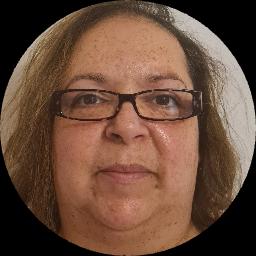
BACP counsellor and psychotherapist with 3 years' experience. Luana Maki focuses on anxiety, stress, trauma and relationship concerns using an integrative approach that draws on client-centred work, mindfulness, psychodynamic ideas and solution-focused techniques.
Luana listens for the patterns that make everyday life feel hard. Sessions emphasise practical coping skills alongside exploration of past experiences that shape current responses. Conversations are aimed at making problems more manageable and clearer rather than applying a fixed method.
She mixes different methods to suit each person’s needs. That might mean simple mindfulness exercises to steady stressful moments, or short goal-focused tasks to track progress between sessions. At other times she may look at relationship patterns or past hurts to understand recurring struggles.
Luana also works with topics such as ADHD, grief, intimacy-related issues, body image and the complexities of non-monogamous relationships. Additional focus areas include caregiver stress, chronic illness, sexual diversity and communication difficulties. She offers support around life changes like separation and bereavement.
Sessions are conversational and practical. Luana aims to help people recognise patterns, try small changes and build new ways of coping. People who prefer a mix of talking, reflection and hands-on techniques may find this approach useful.
Sheet 2
How her approaches shape online sessions
Client-centred therapy puts the person’s perspective first. The therapist follows the client’s lead, listens closely and reflects back what is important. This approach helps when someone wants an open, exploratory space to talk about feelings and relationships.Mindfulness work brings short practical exercises into sessions. These techniques help manage stress and anxiety by training attention and reducing reactivity. They are useful for people who want simple tools to use between meetings.
Choosing an approach is a collaborative process. The therapist will discuss options and adapt the mix of methods based on the client’s goals, needs and preferences. That means the plan can change as progress is made or new priorities emerge.
Session formats are not specified in the biography, so confirm current options before booking. Online sessions can make it easier to fit therapy into a busy week, reduce travel time and allow follow-ups that focus on short practical tasks. Discuss timing, length and what to expect with the therapist when arranging the first session to find the best way to work together.
Sheet 3
Areas of expertise
Additional focus areas
Therapeutic approaches
Experience
3+ years
Listed in
United Kingdom
Languages
English
Sheet 4
Frequently asked questions
What concerns does she help with?
She works with stress, anxiety, trauma and abuse, depression and self-esteem. Other areas include ADHD, grief, intimacy-related issues and relationship problems.
What therapeutic approaches does she use?
Her practice is integrative, drawing on client-centred therapy, mindfulness, psychodynamic ideas and solution-focused methods. The mix is chosen to suit each person's needs.
How much clinical experience does she have?
She has three years of experience working as a counsellor and psychotherapist. That experience covers a range of common and complex concerns.
What credential does she hold and where is she based?
She is a member of the British Association for Counselling and Psychotherapy (BACP) and practises in the United Kingdom.
Which languages are supported?
Sessions are offered in English only.
Can people from other countries work with her?
She does not accept international clients at this time.
How does payment and cost work?
Cost varies with location and sessions run via a subscription that can be cancelled at any time.
What are the steps to begin therapy?
Use the See online therapy options button, complete a short matching questionnaire and then schedule a first session.
Online talk therapy is not emergency care. If you are in danger, use the urgent help numbers.