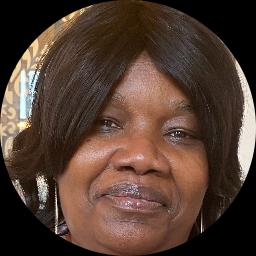
Sheet 1
- Stress and anxiety
- Trauma and grief
- Self esteem work
About LaTonya
LaTonya Shephard is a Licensed Professional Counselor (LPC) licensed in Michigan with 10 years of experience. She focuses on stress, anxiety, trauma and abuse, grief, self esteem, and depression. She also addresses issues such as abandonment, adoption and foster care concerns, domestic violence, family of origin issues, hoarding, loneliness, life purpose, midlife questions, mood disorders, and women's issues.
Shephard works in straightforward, conversational sessions. She helps people name what feels overwhelming and breaks concerns into manageable steps. In sessions she listens, reflects, and offers practical ways to try different behaviors between meetings.
Her approach centers on collaborative work. She encourages clients to set short-term goals and to notice small changes in feelings and behavior. Sessions include talking through recent problems, reviewing what has helped before, and trying new problem-solving strategies.
She views the counseling relationship as a place to practice new ways of reacting and communicating. She may suggest coping skills for anxiety, grounding tools after trauma reminders, or routines to support mood and motivation. Progress is tracked by the client’s reports and agreed steps between sessions.
People considering therapy are invited to think about the specific issues they want to address and the small changes they hope to make. The first meeting is used to clarify goals and plan next steps. To begin, follow the site's process to complete a short questionnaire and schedule an initial session.
Sheet 2
How therapeutic methods are used in online sessions
LaTonya Shephard describes her work as practical and collaborative. Two evidence-based techniques she commonly uses are brief coping skills training and trauma-focused grounding work. Coping skills training teaches specific strategies for managing anxiety and low mood, such as breathing exercises, activity planning, and small behavioral experiments to change routines. Trauma-focused grounding work helps people manage intense memories or triggers by strengthening present-moment orientation and choosing short calming actions.Shepherd (LaTonya Shephard) approaches the choice of methods as a collaborative process. The therapist and client review current struggles, goals, and preferences and then try approaches that seem useful. If an approach feels unhelpful, they adjust the plan together and focus on what produces the clearest small changes.
The original biography does not list which online formats are used, so confirm available session formats before booking. In general, online sessions can make it easier to fit therapy into a day, shorten commute time, and allow brief check-ins when a full session is not needed. Phone sessions may be useful for low-bandwidth situations or for a shorter check-in. Video sessions let the therapist observe nonverbal cues and practice communication skills together. Ask about the specific formats offered when you complete the matching questionnaire to plan sessions that fit your schedule and needs.
Sheet 3
Areas of expertise
Additional focus areas
Experience
10+ years
Listed in
Michigan
Languages
English
Sheet 4
Frequently asked questions
What concerns does she address?
She focuses on stress, anxiety, trauma and abuse, grief, self esteem, and depression. Additional areas include abandonment, adoption and foster care issues, domestic violence, hoarding, loneliness, midlife concerns, and women's issues.
What is her therapeutic style?
She uses a conversational, practical approach that breaks problems into manageable steps. Sessions involve discussion, reflection, and practicing coping strategies between meetings.
How much experience does she have?
She has 10 years of professional work experience as a counselor. That background includes supporting people through mood and trauma-related difficulties.
What are her credentials and where is she based?
She is a Licensed Professional Counselor (LPC) licensed in Michigan. Her practice is located in Michigan.
Which languages are supported?
Sessions are offered in English. She also accepts international clients.
What session formats are available?
The original biography does not specify session formats. Confirm current session options before scheduling to know which formats are offered.
How does pricing work?
Cost varies with location and sessions use a subscription that can be canceled at any time. Check the platform for the exact fee structure that applies to your region.
How do I get started?
Select the See online therapy options button, complete the short matching questionnaire, and schedule your first session. The initial meeting will clarify goals and next steps.
Online talk therapy is not emergency care. If you are in danger, use the urgent help numbers.