Sheet 1
- CBT focused
- Client-Centered methods
- Mindfulness tools
About Karina
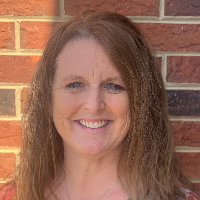
Licensed Clinical Mental Health Counselor (NC LCMHC) with 28 years of experience. Karina Killough helps people manage stress, anxiety, depression, mood disorders, addictions, relationship struggles, trauma, grief, and parenting concerns. She also addresses ADHD, body image, codependency, intimacy issues, and self-esteem problems. Sessions are offered in English and occur in North Carolina.
Karina uses straightforward, talk-based work to identify practical coping strategies. She often focuses on thinking patterns and behavior that keep problems going. She blends Client-Centered principles with Cognitive Behavioral techniques and elements of Emotionally-Focused and Mindfulness approaches. The goal is to find steps a person can use between sessions.
Her background includes work in inpatient, intensive outpatient, and outpatient settings. That mix has shaped how she structures sessions and crisis planning. She has experience offering individual, family/couples, and group therapy in clinical settings. Those settings inform how she adapts techniques for different needs.
Karina frames treatment around clear goals and a treatment plan. Sessions look at what the person wants to change and which skills will help. She uses brief skills practice, thought restructuring, and emotion-focused work when appropriate. Mindfulness tools are introduced for managing stress and mood swings.
Costs vary by location and use a subscription that can be canceled at any time. International clients are not accepted. To begin, select the See online therapy options button, complete the short matching questionnaire, and schedule a first session.
Sheet 2
How her approaches guide online work
Karina uses Cognitive Behavioral Therapy to spot and change unhelpful thoughts and behaviors. CBT involves setting concrete goals, practicing new skills, and checking progress, which helps with anxiety, depression, panic, and mood regulation.She also uses Client-Centered Therapy, which emphasizes listening and building a collaborative therapeutic relationship. That approach helps people explore feelings and priorities at their own pace. Emotionally-Focused Therapy is used to address closeness and relational patterns by identifying and shifting emotional responses that keep problems repeating.
Finding the right mix of methods is part of the work. Karina will collaborate with each person to decide which approaches fit their goals and preferences. She checks in about what feels helpful and adjusts the plan as needed.
Session formats are not specified in the biography, so confirm current options before booking. Online work can make it easier to fit sessions into a busy day, allow shorter check-ins when needed, and remove travel time. Therapists commonly adapt exercises, homework, and mindfulness practices so they fit a person’s daily routine rather than relying on lengthy in-person visits.
Sheet 3
Areas of expertise
Primary focus
Also works with
Additional focus areas
Therapeutic approaches
Experience
28+ years
Listed in
North Carolina
Languages
English
Sheet 4
Frequently asked questions
What concerns does she address?
She works with stress, anxiety, depression, bipolar and mood disorders, addictions, trauma and relationship problems, among other issues listed in her specialties.
What is her therapeutic style?
She uses a practical, goal-focused approach that combines Client-Centered work with Cognitive Behavioral techniques and emotion-focused methods.
How much clinical experience does she have?
She has 28 years of experience in inpatient, intensive outpatient, and outpatient settings.
What credential does she hold and where is she based?
She is a Licensed Clinical Mental Health Counselor (LCMHC) licensed in North Carolina.
Which languages are supported?
Sessions are offered in English.
Can people outside the United States work with her?
International clients are not currently accepted.
How are session costs handled?
Costs vary by location and services use a subscription model that can be canceled at any time.
How do I start a first session?
Select the See online therapy options button, complete the short matching questionnaire, and schedule a first session.
Online talk therapy is not emergency care. If you are in danger, use the urgent help numbers.