Sheet 1
- Client-Centered Therapy
- Cognitive Behavioral Therapy
- Solution-Focused work
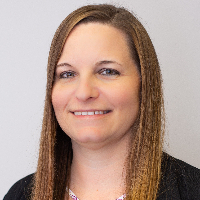
About Kara
LCMHC in North Carolina with 12 years of clinical experience, Kara Snodgrass focuses on stress, anxiety, parenting and related concerns. She combines client-centered practice with practical tools to help people manage daily emotions and problem solving. Sessions emphasize collaboration and short-term skills alongside deeper work when needed.
Kara began her career doing family support work for five years. That work included in-home visits, child protective services, foster care involvement, substance abuse contact, and crisis intervention aimed at reunification when possible. Those experiences shape how she sees family- and parenting-related stress now.
She uses a mix of Client-Centered Therapy, Cognitive Behavioral Therapy (CBT), Dialectical Behavior Therapy (DBT), Motivational Interviewing, and Solution-Focused Therapy. In practice this looks like listening first, then offering concrete strategies to reduce panic, manage anger, or change unhelpful thinking patterns.
Kara describes her style as collaborative. She follows the client’s lead while offering gentle nudges toward techniques that may help. She also uses short-term interventions when clients need immediate coping tools and can move into longer, deeper work if desired.
Her background includes work with relationship strain, grief, compassion fatigue, ADHD symptoms, impulse challenges, and pregnancy or postpartum concerns. Sessions aim to be practical and to fit into day-to-day life, with attention to what a person needs right now.
Sheet 2
How her approaches shape online work
Client-Centered Therapy focuses on listening and responding to what the client brings. The therapist follows the client’s lead, reflects understanding, and supports choices that feel right. This approach helps when someone needs space to name what matters most to them.Cognitive Behavioral Therapy (CBT) breaks problems into thoughts, feelings, and actions. It uses simple exercises to test unhelpful thoughts and build new coping skills, which is useful for panic, anxiety, and low mood. Dialectical Behavior Therapy (DBT) adds skills for emotion regulation and distress tolerance, which can help with impulsivity and anger.
Finding the right approach is collaborative. The therapist will discuss goals, try techniques, and adjust based on what helps. Clients and the therapist decide together whether to focus on short-term skill building or longer work.
Confirm the specific session formats available before booking. The therapist’s biography notes messaging, live chat, and phone sessions, with some evening and weekend phone options; check the current listing to be sure. Online sessions can make it easier to fit appointments into a busy schedule, allow brief check-ins or ongoing messaging between sessions, and let people use talk-based or text-based formats that match their needs.
Sheet 3
Areas of expertise
Primary focus
Also works with
Additional focus areas
Therapeutic approaches
Experience
12+ years
Listed in
North Carolina
Languages
English
Sheet 4
Frequently asked questions
What kinds of concerns does she address?
She works with stress, anxiety, parenting and relationship concerns, plus grief, anger, depression, and compassion fatigue. Additional focuses include control issues, guilt and shame, impulsivity, and pregnancy and childbirth matters.
What therapeutic approaches does she use?
Her work blends Client-Centered Therapy, Cognitive Behavioral Therapy (CBT), Dialectical Behavior Therapy (DBT), Motivational Interviewing, and Solution-Focused Therapy. She matches methods to the problem and the client’s preferences.
How much clinical experience does she have?
She has 12 years of experience as a clinician, with prior experience doing family support work that included in-home and crisis services.
Where is she licensed and based?
She is an LCMHC licensed in North Carolina and practices from that state.
Does she work in languages other than English or with international clients?
Sessions are offered in English and she accepts international clients.
What session formats are offered?
The original biography mentioned messaging, live chat and phone sessions and some evening and weekend phone availability. Confirm current session options before booking.
How are costs handled?
Cost varies with location. Sessions use a subscription model that can be canceled at any time.
How do I begin if I want to work together?
Select the See online therapy options button, complete the short matching questionnaire, and schedule a first session through the platform.
Online talk therapy is not emergency care. If you are in danger, use the urgent help numbers.