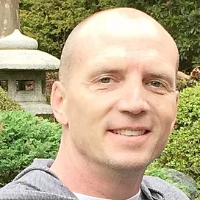
Sheet 1
- CBT methods
- Motivational interviewing
- Mindfulness work
About Eric
LISW, LIMHP with 13 years of experience, Eric Mason focuses on addictions, mood disorders, trauma, and related concerns. He is based in Nevada and brings experience across substance use and mental health work. He uses Client-Centered, Cognitive Behavioral Therapy, Mindfulness, Motivational Interviewing, and Solution-Focused approaches in his practice.
Eric helps people who are dealing with depression, anxiety, bipolar disorder, grief, and stress. He also addresses relationship and intimacy-related issues, parenting challenges, and career-related stress. His background includes work with people affected by trauma, sexual assault and abuse, and those living with HIV/AIDS.
He trained in psychology at Nevada State College and earned a Master of Social Work from the University of New England in 2015. His clinical experience includes substance abuse therapy and broader mental health care over more than a decade. His credentials are LISW and LIMHP, with licensure noted in Iowa and Nebraska in source materials and practice in Nevada.
In sessions he draws on motivational interviewing to explore readiness for change and on CBT to identify unhelpful thinking patterns. Mindfulness techniques are used to help reduce reactivity and increase present-moment awareness. Solution-focused methods help set short-term goals and track progress.
People who are looking for practical tools for coping with mood issues, addiction, trauma-related symptoms, or relationship struggles will find a therapist who emphasizes collaborative, straightforward work. Before booking, confirm the current session formats and scheduling options.
Sheet 2
How his approaches translate to online work
Eric uses Cognitive Behavioral Therapy to help clients notice and change unhelpful thoughts and behaviors; this approach is practical and works well for anxiety, depression, and mood regulation. Motivational Interviewing is used to explore readiness for change and to build motivation around substance use or other behavior shifts. Mindfulness Therapy offers simple attention and breathing practices to reduce reactivity and manage stress.Deciding which approach to use is a collaborative process. He will work with each person to identify goals, try approaches, and adjust methods based on what helps. The focus is on practical steps and short-term goals alongside longer-term work when needed.
Session formats are not listed in the supplied biography, so please confirm current options before booking. Online work can make it easier to fit sessions into a busy week, allow shorter check-ins when schedules are tight, and avoid travel time. Licensed professionals often adapt techniques such as CBT worksheets, motivational interviewing conversations, and guided mindfulness exercises to a remote setting so people can apply skills between sessions.
Sheet 3
Areas of expertise
Primary focus
Also works with
Additional focus areas
Therapeutic approaches
Experience
13+ years
Listed in
Nevada, Nebraska, Iowa
Languages
English
Sheet 4
Frequently asked questions
What concerns does he address?
He works with addictions, depression, bipolar disorder, anxiety, trauma and related issues such as grief, anger, intimacy concerns, parenting strain, and career stress.
What therapy approaches does he use?
He uses Client-Centered Therapy, Cognitive Behavioral Therapy (CBT), Mindfulness Therapy, Motivational Interviewing, and Solution-Focused Therapy.
How many years has he practiced?
He has 13 years of combined experience in substance abuse and mental health work.
What are his credentials and primary location?
He holds LISW and LIMHP credentials and practices in Nevada.
Which languages are supported?
Sessions are offered in English.
Can people outside the US work with him?
He is not accepting international clients at this time.
How are costs handled?
Cost varies with location; sessions use a subscription that can be canceled at any time.
How do I begin working with him?
Start by selecting the See online therapy options button, complete a short matching questionnaire, and schedule a first session.
Online talk therapy is not emergency care. If you are in danger, use the urgent help numbers.