Sheet 1
- Stress and anxiety
- Trauma and abuse
- Grief and loss
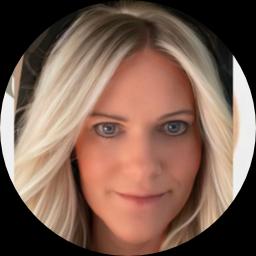
About Cynthia
Dr. Cynthia Starkey is a Licensed Mental Health Counselor (LMHC) practicing in New York with 24 years of experience. She focuses on stress, anxiety, relationship concerns, trauma and abuse, grief, and depression and works directly with people to address these issues.
She helps people talk through painful feelings and find clearer ways to cope. Her work includes addressing communication problems, divorce and separation, guilt and shame, isolation and loneliness, and questions about life purpose. She also helps with mood disorders, post-traumatic stress, self-love, and social anxiety and phobia.
In sessions she aims to make it possible to speak honestly and without judgment. Conversations focus on what is happening now and on practical steps clients can try between meetings. She listens for patterns in how thoughts and behavior affect emotions and relationships, and then helps people experiment with different responses.
Her approach emphasizes consistent work over time and small, manageable changes. She supports people through grief and loss and through the practical fallout of relationship endings. For those affected by trauma, sessions can include pacing and strategies to reduce distress while building coping skills.
People who want to get started are asked to complete a short matching questionnaire and schedule a first session. Fees vary with location and sessions use a subscription that can be canceled at any time. Sessions are conducted in English and international clients are not accepted.
Sheet 2
How evidence-based techniques translate to online work
Two evidence-based approaches often used for stress and trauma are described here. Cognitive techniques focus on identifying unhelpful thought patterns and testing them with small behavioral experiments; this helps with anxiety, social phobia, and low mood. Skills-based approaches teach concrete tools for managing strong emotions and reducing physiological arousal, which can be helpful after trauma or during grief and loss.Finding the right approach is part of the work. The therapist will collaborate with each person to choose methods that match their goals, pace, and comfort. That planning can change as progress is made and as new needs emerge.
Confirm session formats before booking because the biography does not list specific formats. Online sessions can make it easier to fit meetings into a weekday or evening routine and reduce travel time. They also let people use shorter check-ins when life is busy or select quieter times that work with schedules. Ask about available formats when completing the matching questionnaire.
Sheet 3
Areas of expertise
Primary focus
Additional focus areas
Experience
24+ years
Listed in
New York
Languages
English
Sheet 4
Frequently asked questions
What concerns does she address?
She works with stress, anxiety, relationship issues, trauma and abuse, grief, and depression, plus related areas such as communication problems and divorce.
What is her therapeutic approach?
She uses evidence-based therapeutic techniques and focuses on practical steps, pacing, and finding ways to manage strong emotions.
How much experience does she have?
She has 24 years of professional work experience as a clinician.
What are her credentials and location?
She is a Licensed Mental Health Counselor (LMHC) licensed in New York and practices from that state.
Which languages are offered?
Sessions are offered in English.
Can clients from other countries work with her?
She does not accept international clients at this time.
How are sessions priced?
Cost varies with location; sessions use a subscription model that can be canceled at any time.
What are the steps to begin?
Select the See online therapy options button, complete a short matching questionnaire, and schedule a first session.
Online talk therapy is not emergency care. If you are in danger, use the urgent help numbers.